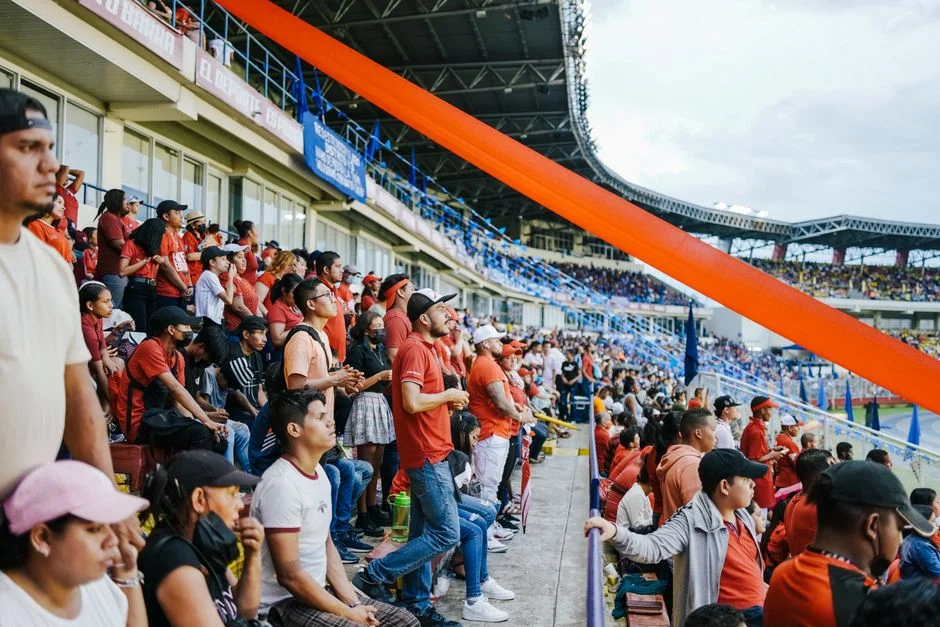
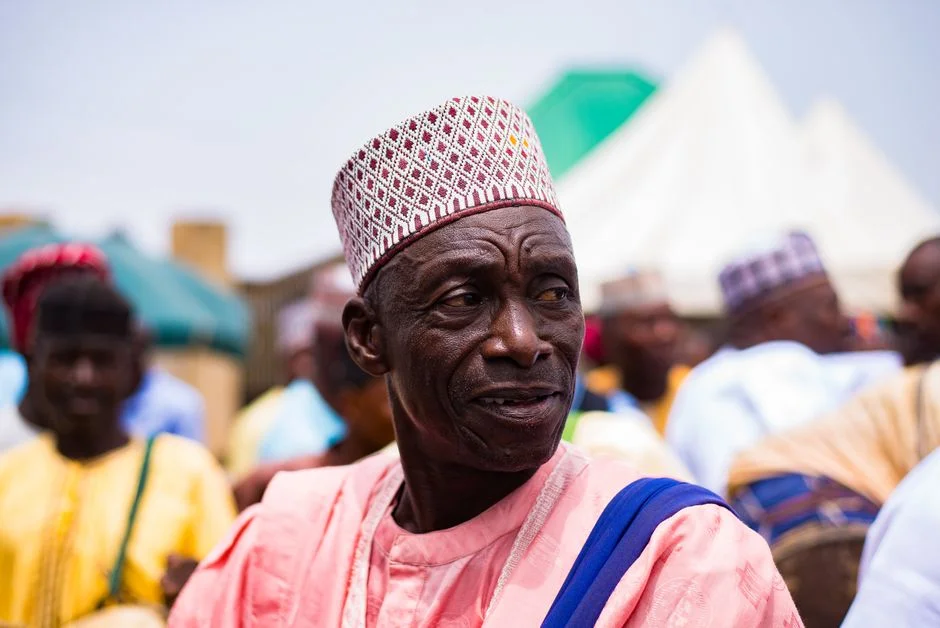
Arsenal’s growing presence across Africa is reshaping how communities interact with global football, offering a powerful model of social cohesion in a continent often defined by political fragmentation. The Premier League club has moved beyond simple merchandise sales and match-day attendance to build deep-rooted social networks that connect fans from Lagos to Accra. This shift demonstrates how sports can serve as a unifying force, creating shared identities that transcend local economic and social barriers.
The Rise of the African Arsenal Identity
Football in Africa is no longer just about the African Cup of Nations or World Cup qualifiers. The Premier League has become the dominant league for viewership, and Arsenal has emerged as one of the most popular clubs on the continent. Fans in Nigeria, Ghana, and Kenya have formed organized supporter groups that meet regularly, creating a consistent social rhythm in cities where infrastructure and public spaces often struggle to unite diverse populations.
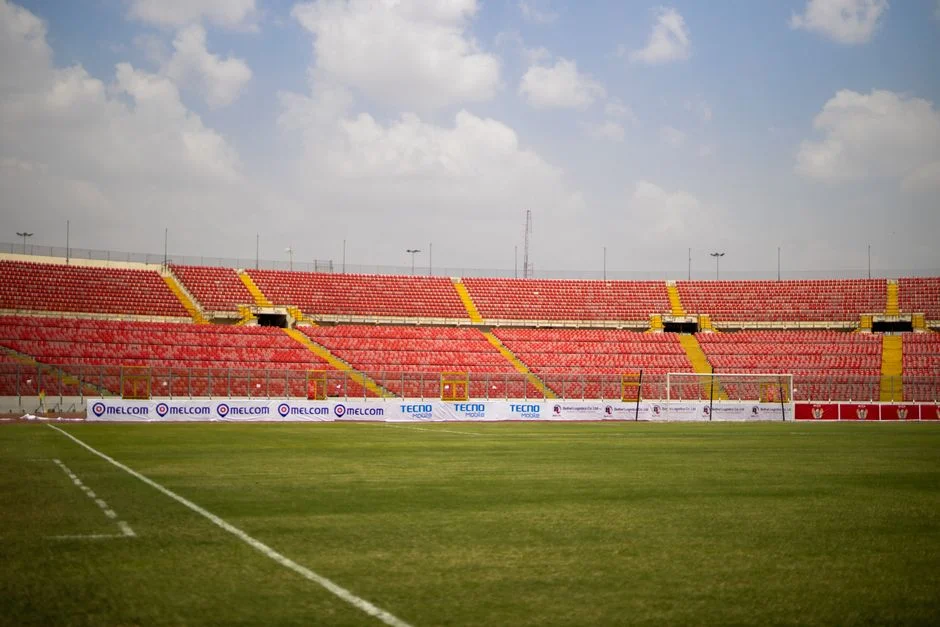
This loyalty is not accidental. The club’s strategic engagement with African markets over the last decade has paid off. They have invested in youth academies, digital content tailored to African time zones, and community outreach programs that resonate with local values. For many young Nigerians, supporting Arsenal is a way to connect with a global narrative while maintaining a strong local identity.
The impact is visible in places like Lagos, where fan clubs organize charity drives, job fairs, and social mixers under the banner of the Gunners. These events bring together people from different ethnic groups, religious backgrounds, and economic classes. In a country where tribal and class divisions can sometimes dominate public discourse, the Arsenal badge serves as a neutral ground for interaction.
How Football Clubs Drive Local Social Change
Social cohesion is a term often used by policymakers but rarely seen in daily life. Arsenal’s approach provides a concrete example of how a sports brand can foster unity. The club’s community programs in Africa focus on education, health, and youth empowerment, areas that directly affect the quality of life for millions of citizens. These initiatives are not just marketing tools; they are long-term investments in the social fabric of the regions.
Education and Youth Empowerment
One of the most successful programs is the Arsenal Foundation’s partnership with local schools in Nigeria and Ghana. These partnerships provide scholarships, training facilities, and mentorship opportunities for young athletes and students. For families in urban centers like Abuja and Kumasi, access to quality education and sports training can be a game-changer. The program has helped thousands of children stay in school and pursue careers in sports or related fields.
These educational initiatives also create a pipeline for talent. Many young African players have used these programs as a stepping stone to professional careers in Europe and beyond. This success story inspires more families to invest in their children’s education, creating a positive feedback loop that benefits the entire community.
Health and Community Wellness
In addition to education, Arsenal’s health initiatives address critical needs in African communities. The club has organized health screening camps, mental health awareness campaigns, and fitness challenges that encourage active lifestyles. In cities like Nairobi and Johannesburg, these events have helped reduce the stigma around mental health and promoted physical wellness among young adults.
The social impact of these health programs is significant. They bring people together in a shared goal of improving their well-being. For many participants, the Arsenal brand provides a sense of trust and reliability that encourages them to engage with health services they might otherwise ignore.
Economic Benefits for Nigerian Communities
The economic impact of Arsenal’s presence in Nigeria is substantial but often overlooked. The club’s popularity drives sales for local businesses, from sports shops to cafes and pubs that host match viewings. In Lagos alone, the weekly match days generate millions of naira in revenue for small businesses. This economic activity supports jobs and stimulates local economies in ways that extend far beyond the pitch.
Furthermore, the club’s investment in local infrastructure, such as training facilities and digital platforms, creates employment opportunities for local technicians, marketers, and event organizers. These jobs are often filled by young people who might otherwise struggle to find stable income. The economic ripple effect helps to reduce poverty and improve the standard of living in surrounding neighborhoods.
The Premier League’s overall influence on the Nigerian economy is also significant. The league’s broadcast rights, sponsorship deals, and merchandise sales contribute to the country’s service sector. For Nigerian fans, the ability to engage with a global brand provides a sense of economic participation and global connectivity.
Challenges to Sustaining Social Cohesion
Despite the positive trends, challenges remain. The cost of following the Premier League can be high for average Nigerian households. Subscription fees for streaming services, merchandise costs, and travel expenses for away games can add up quickly. For many fans, this financial burden can sometimes create a divide between those who can afford to fully engage and those who must watch from the sidelines.
Infrastructure issues also pose a threat. Unreliable internet connections in parts of Nigeria can disrupt live match viewings, while traffic congestion in cities like Lagos can make it difficult for fans to reach stadium viewings or community events. These logistical challenges can sometimes frustrate the very social connections that the club aims to build.
Political instability and economic inflation in Nigeria also affect the consistency of fan engagement. When the naira fluctuates or political tensions rise, fans may have less disposable income and time to dedicate to their social clubs. Arsenal must continue to adapt its strategies to remain relevant and accessible to a diverse fanbase.
Community Responses and Grassroots Movements
At the grassroots level, Nigerian fans have shown remarkable resilience and creativity. Local supporter groups have organized crowdfunding campaigns to help members pay for subscriptions, travel, and merchandise. These initiatives demonstrate a strong sense of community and mutual aid. Fans are not just passive consumers; they are active participants in building and sustaining their social networks.
Social media has also played a crucial role in connecting fans. Platforms like Twitter, Instagram, and WhatsApp groups allow fans to share news, organize events, and discuss matches in real-time. This digital connectivity helps to bridge geographical divides and keeps the community engaged even when physical meetings are difficult.
Local influencers and bloggers have also emerged as key figures in the Arsenal community in Nigeria. They provide analysis, organize meet-ups, and advocate for the interests of fans. These influencers help to amplify the club’s message and ensure that the local voice is heard in broader conversations about the Premier League.
What to Watch Next for Nigerian Fans
Looking ahead, the focus will be on how Arsenal continues to deepen its engagement with African fans. The club is expected to launch more localized digital content and community programs in the coming year. Fans should watch for announcements regarding new youth academy partnerships and health initiatives in key cities like Lagos, Abuja, and Port Harcourt.
The upcoming Premier League season will also test the resilience of the Nigerian fanbase. With potential economic shifts and political developments, the ability of local clubs to maintain strong social networks will be a key indicator of the sport’s enduring power. Observers should monitor attendance figures, social media engagement, and local business revenue to gauge the continued impact of Arsenal’s presence in Nigeria.
See Also
- Edgar Eriakha’s Theatre Roots Reshape Lagos Creative Economy
- IOM Rescues 67,000 Stranded Nigerian Migrants Amid Ongoing Crisis
What is the latest news about arsenals african fanbase proves football can bridge deep social divides?
Why does this matter for education?
What are the key facts about arsenals african fanbase proves football can bridge deep social divides?