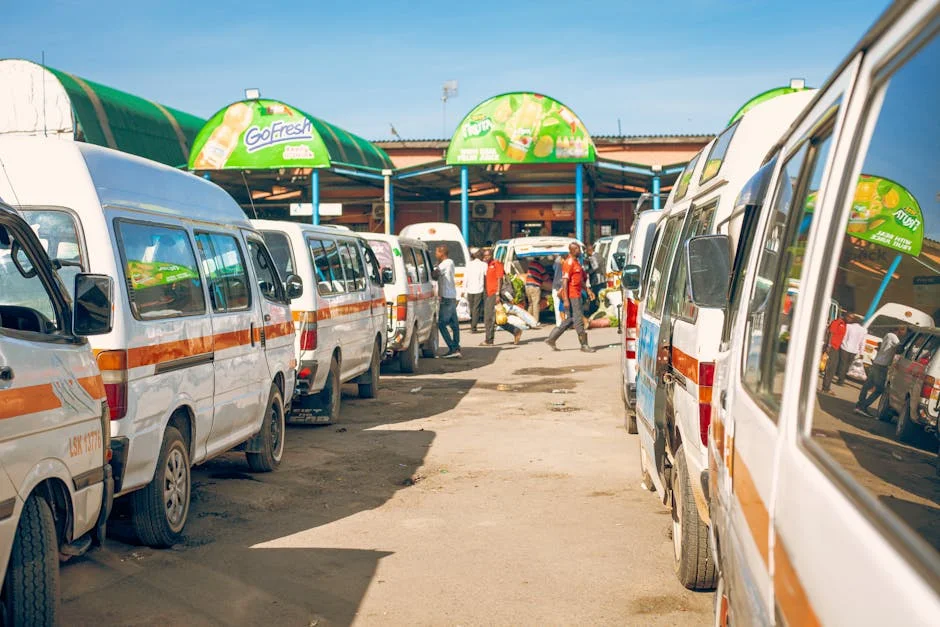
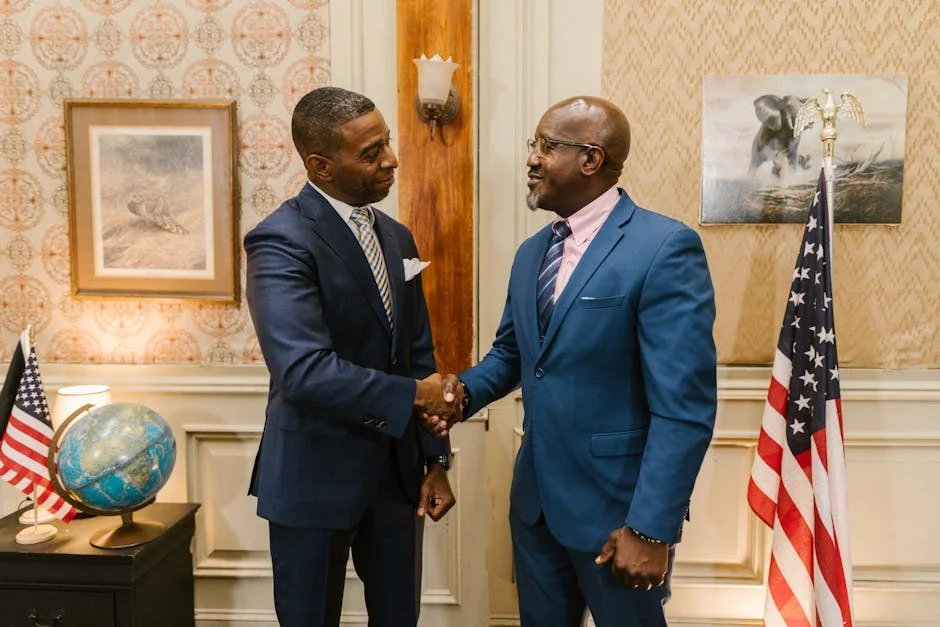
The United States will cut its African visa processing centres from 50 to 20, the State Department confirmed this week, leaving hundreds of thousands of applicants across the continent facing dramatically longer journeys to secure interviews. The reduction, representing a 60 percent closure rate, takes effect over the next 18 months and will reshape how Nigerians, Kenyans, and citizens of dozens of other nations pursue work, student, and tourist visas to America.
Which countries lose processing hubs
At least 12 African nations currently hosting US consular facilities will see their local processing centres shuttered entirely. Applicants in Ghana, Tanzania, Rwanda, Ethiopia, and Senegal will now need to travel to neighbouring countries for biometric appointments and interviews, the State Department said in a statement. The closures disproportionately affect West and East Africa, regions already grappling with some of the longest visa wait times globally. Lagos and Abuja in Nigeria will retain facilities, but State Department data shows those centres already carry backlogs exceeding 400 days for tourist visa interviews.
Why Washington is cutting its footprint
US officials cite budget constraints and staffing shortages as the primary drivers. Secretary of State Antony Blinken told congressional lawmakers last month that the department faces a $700 million shortfall in consular operations. Reduced fee revenue during the pandemic recovery period has compounded staffing challenges at embassies and consulates worldwide. "We must rationalise our footprint to maintain service quality where we remain present," a department spokesperson said. Critics, however, argue the cuts undermine American soft power at a moment when China is expanding its diplomatic and commercial influence across Africa.
What this means for Nigerian applicants
For millions of Nigerians seeking to visit, study, or work in the United States, the cuts arrive at the worst possible time. The US remains the top destination for Nigerian students pursuing higher education abroad, with over 21,000 Nigerians enrolled in American universities last year alone. The closure of regional processing capacity means students scrambling to meet autumn semester deadlines may find no available interview slots within hundreds of kilometres. Parents who have saved for years to fund study abroad programmes face an uncertain timeline that could derail entire families' plans. The American Business Council Nigeria warned that reduced visa access could dampen commercial ties between the two countries, affecting companies that rely on US business travel and investment.
Diplomatic fallout
African Union officials have formally requested clarification from Washington, with several member states lodging complaints through diplomatic channels. The African Union Commission's head of economic affairs wrote to the US embassy in Addis Ababa expressing "deep concern" about the impact on continental mobility and trade. Nigerian Foreign Minister Yusuf Tuggar called the decision "unfortunate" and said his ministry was exploring whether reciprocal measures might be warranted for American citizens seeking Nigerian visas. The backlash reflects growing frustration across Africa with what many view as declining US engagement on the continent, a sentiment that Beijing has actively cultivated through trade missions, infrastructure investment, and streamlined visa arrangements for African passport holders.
Community response and practical workarounds
Migration lawyers and travel agents across Lagos, Nairobi, and Accra report a surge in enquiries since the announcement. "My phone has not stopped ringing," said Chioma Okonkwo, managing partner at Lagos-based immigration firm Frontier Advisory. "People are panicking because they have wedding invitations, job offers, and university acceptance letters with deadlines, and now they face travelling to Ghana or Morocco just for an interview." Some applicants are exploring third-party visa services that arrange appointments at distant consulates, though those come with additional fees of $200 to $500 on top of standard application costs. Community organisations are now organising carpooling networks to help applicants reach remaining processing centres.
Alternative destinations gain appeal
The visa squeeze is accelerating a shift already underway. Canadian universities report a 34 percent increase in Nigerian applications this year, while British and German embassies have expanded their African processing capacity. Ireland recently opened a new consular office in Lagos. Education consultants say families are increasingly weighing options in countries with more accessible visa regimes, potentially costing American institutions billions in tuition revenue over the coming years. The United Kingdom, which simplified its student visa process last year, has seen Nigerian enrollment rise sharply at Russell Group universities.
What to watch next
The State Department has pledged to prioritise renewal applications and diplomatic, military, and emergency travel during the transition period. However, no timeline has been set for restoring services in shuttered locations. Congressional critics have demanded a full accounting of the decision, with Senate Foreign Relations Committee members preparing legislation that would require the department to report on how reduced consular capacity affects US strategic relationships in Africa. Applicants already holding appointment dates should confirm their slots remain valid, as rebooking demand is expected to overwhelm remaining centres within weeks. The next six months will determine whether the cuts deliver the promised budget savings or instead trigger a diplomatic and commercial backlash that costs Washington far more in lost influence than the closures save.
See Also
- Standard Bank Reveals Earnings Dip Amid Local Business Growth — What It Means for Africa
- Poland Faces Nigeria in Two-Game Friendly Series — What Fans Should Expect
What is the latest news about us slashes africa visa sites from 50 to 20 lagos nairobi brace for impact?
Why does this matter for culture-arts?
What are the key facts about us slashes africa visa sites from 50 to 20 lagos nairobi brace for impact?