The United States government will slash its network of visa processing centres across Africa by more than half, forcing thousands of Nigerian applicants to travel further and wait longer for appointments that are already difficult to secure. The State Department confirmed the cuts affect multiple countries on the continent, reducing the number of facilities where Africans can submit applications for tourist, work, and student visas to the United States. The announcement landed as Washington pursues one of the most aggressive immigration crackdowns in decades.
Consolidation Hits 12 African Countries
State Department officials told reporters in Washington on Tuesday that the reduction would close visa processing operations in at least 12 African nations. Those countries currently served by dedicated consular facilities will now share resources with larger regional hubs, a move officials say is designed to streamline operations but which critics warn will create major obstacles for applicants. The closures represent a reduction of roughly 55 percent of current Africa-based processing capacity, according to figures provided by the department. No timeline for implementation has been publicly released, though internal communications suggest the first shutters could come within 60 days.
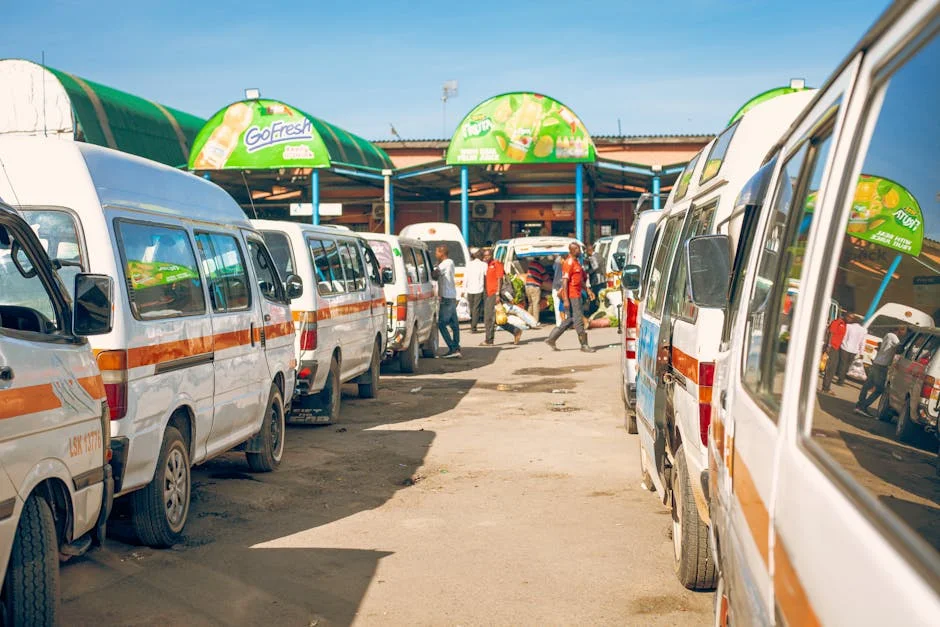
Nigerian applicants, who already face average interview wait times of over 400 days at the US embassy in Abuja, will likely see those delays climb further. The reduction means Lagos and Abuja will handle processing for a significantly larger catchment area across West Africa. Immigration lawyers in Nigeria called the move a disaster waiting to happen. "People will be forced to travel hundreds of kilometres just to reach a processing centre," said Emeka Obi, an immigration attorney based in Lagos. "For many families saving for years to visit relatives in America, this could make the whole process impossible."
Why Washington Is Cutting Back Now
The policy fits a broader pattern of visa restrictions that has accelerated since early 2025. The Trump administration has pursued sweeping changes to legal immigration, including steeper fees for visa applications, expanded criteria for inadmissibility, and pressure on consulates to reject higher proportions of applicants. The State Department has framed the Africa consolidation as a cost-saving measure, pointing to underutilisation at some smaller posts. Officials noted that several African visa centres have operated at below 40 percent capacity in recent years, a situation they described as financially untenable.
Yet the rationale has met sharp resistance from African governments. The African Union issued a statement calling the cuts "a retreat from meaningful engagement" with a continent of 1.4 billion people. Several embassies in Washington have registered formal complaints through diplomatic channels. Nigeria's foreign ministry summoned the US charge d'affaires in Abuja last week to express concern, though the substance of that meeting has not been made public. A ministry spokesperson confirmed discussions were ongoing but declined to provide details.
Impact on Nigerian Students and Workers
The consequences extend well beyond tourism. Nigeria sends roughly 15,000 students to US universities each year, a pipeline that contributes an estimated $600 million annually to American institutions. Those students must clear visa interviews as part of the process, and longer wait times threaten to disrupt enrollment cycles. Universities have begun contacting admitted Nigerian students to advise them to apply as early as possible, according to the International Education Association of Nigeria. "We are urging all accepted students to submit their applications immediately," said director Funke Adeyemi. "Even with early submission, there is no guarantee of scheduling an interview before term begins."
For work visa applicants, the picture is equally grim. Nigerian professionals in technology, healthcare, and engineering represent a significant share of employment-based immigration to the United States. Processing delays at Nigerian consulates have already caused some companies to redirect recruitment toward candidates in Ghana, Kenya, and South Africa, where interview slots remain more accessible. HR executives at several multinational firms operating in Lagos told reporters their talent pipelines were now under severe strain.
Regional Hubs Will Bear the Brunt
The consolidation plan centres on funneling applicants into a smaller number of mega-consular facilities. Nairobi will serve as the primary hub for East Africa, while Lagos and Abuja absorb West African demand. Johannesburg and Cape Town will cover southern Africa. This means applicants from countries like Niger, Chad, and Cameroon may need to travel to Nigerian centres for their interviews, adding logistical costs that can exceed the visa fee itself for low-income applicants.
Travel agents in Lagos report a surge in enquiries about alternative routes, including countries where visa processing remains less constrained. "We've seen a 70 percent increase in people asking about visa appointments in Accra or Dakar," said Tunde Aromolaran, who runs a visa consultancy in Victoria Island. "The US has made it harder, so people are looking for any way around it. But those alternatives are closing too."
The Crackdown Context
The Africa cuts are not happening in isolation. Washington has simultaneously reduced visa processing capacity in parts of Asia and Latin America, signalling a coordinated global contraction of legal immigration infrastructure. The State Department has directed embassies to prioritise what it calls "strategic workforce visas" while scaling back tourist and family reunification processing. Critics say the approach conflates legal immigration with irregular border crossing, a distinction they argue is vital to maintaining ties with allied nations.
For Nigeria specifically, the timing compounds existing tensions around travel restrictions. Nigerian passport holders remain subject to certain entry limitations under US law, and the new cuts are seen by some analysts as an extension of that hardening posture. "The message being sent is clear," said Dr Adenike Ogunsheye, a political economist at Lagos Business School. "The United States no longer views Africa as a priority partner for legal migration. That's a significant shift in the relationship."
What Comes Next
Advocacy groups are planning to challenge the cuts through administrative channels and public pressure campaigns. The African diaspora community in the United States has also mobilised, with petitions circulating in Washington and several state capitals. Whether those efforts will alter the State's plans remains unclear, given the current administration's stated opposition to expanding legal immigration pathways.
For now, Nigerian applicants have little choice but to navigate a shrinking system. Those with upcoming appointment dates should confirm their slots, as cancellations and rescheduling backlogs have already begun. Immigration attorneys recommend maintaining contact with consulates and documenting all correspondence in case of disputes. The State Department has not committed to a formal review period, meaning the cuts could proceed on the timeline already communicated to overseas posts.
See Also
- Goa Town Faces Environmental Crisis as Green Spaces Give Way to Grey Concrete
- Björk’s Amapiano Set Sparks Joy in Mzansi
Nigerian professionals in technology, healthcare, and engineering represent a significant share of employment-based immigration to the United States. Critics say the approach conflates legal immigration with irregular border crossing, a distinction they argue is vital to maintaining ties with allied nations.For Nigeria specifically, the timing compounds existing tensions around travel restrictions.
What is the latest news about us to close dozens of africa visa centres nigerian applicants face longer waits?
Why does this matter for environment-nature?
What are the key facts about us to close dozens of africa visa centres nigerian applicants face longer waits?