South Africa has officially launched a comprehensive national strategy aimed at transforming its urban landscapes into models of sustainable development. This initiative targets the rapid expansion of metropolitan areas, seeking to curb environmental degradation while stimulating local economic growth across the country. The government aims to integrate green infrastructure into city planning to address pressing issues such as traffic congestion, waste management, and energy consumption.
The move comes at a critical juncture for the nation’s urban centers. Rapid urbanization has placed immense pressure on existing infrastructure in major hubs like Johannesburg, Cape Town, and Durban. By prioritizing sustainability, authorities hope to create livable environments that can support a growing middle class and attract foreign investment. This strategy represents a shift from traditional brick-and-mortar expansion to a more holistic approach to city living.
Urban Challenges in Major Metropolises
The urgency of this new strategy is most visible in the daily struggles of residents in South Africa’s largest cities. Johannesburg, as the economic heartbeat of the nation, faces severe traffic bottlenecks that cost the economy billions of Rands annually in lost productivity. Commuters often spend hours in gridlock, leading to increased fuel consumption and higher carbon emissions that directly impact air quality in the Greater Johannesburg Metropolitan Area.
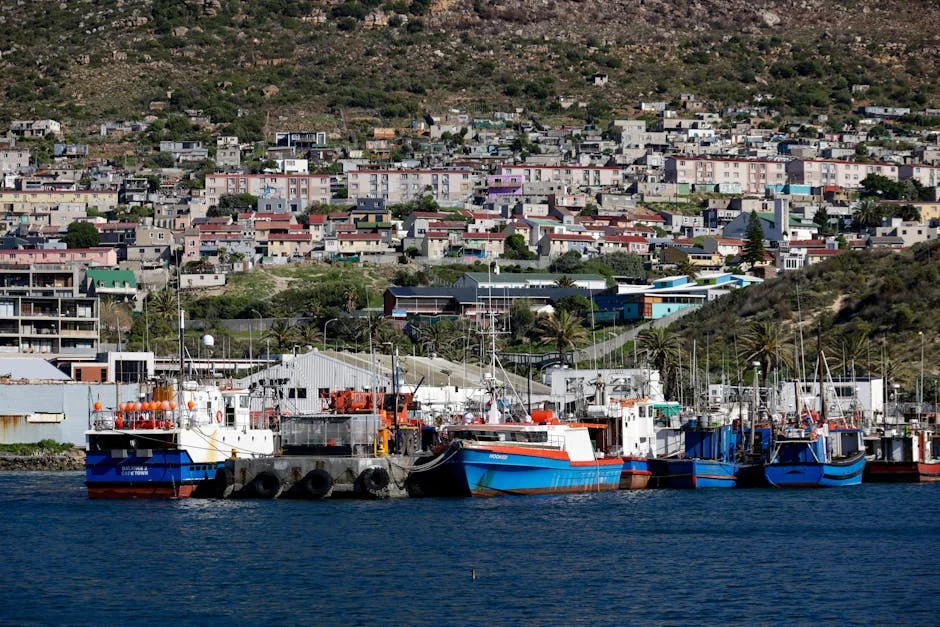
Cape Town faces its own set of unique challenges, particularly regarding water security and housing affordability. Although the famous "Day Zero" crisis has receded, the threat of water scarcity remains a constant concern for households and businesses alike. The new urban development plan seeks to introduce more efficient water recycling systems and green roofs to mitigate these risks. These measures are designed to make the city more resilient to climate change impacts.
Durban, the country’s largest port city, deals with significant air pollution from shipping and industrial activities. The health implications for residents living near the Durban Bay area are substantial, with higher rates of respiratory issues reported in recent health surveys. Addressing these environmental health hazards is a core component of the national sustainability drive. The goal is to reduce particulate matter in the air through stricter zoning laws and the introduction of electric public transport.
Economic Opportunities and Local Growth
The transition to sustainable urban development is not just an environmental imperative but also a significant economic opportunity. The construction of green buildings and the installation of renewable energy infrastructure are expected to create thousands of new jobs. These positions will range from engineering and architecture to manufacturing and maintenance, providing employment for both skilled and semi-skilled workers in urban areas.
Small and medium-sized enterprises (SMEs) are poised to benefit from this shift. Local contractors will have the chance to secure contracts for retrofitting older buildings with energy-efficient technologies. This includes installing solar panels, improving insulation, and upgrading lighting systems to LED standards. Such projects can reduce operational costs for businesses and homeowners, freeing up capital for further investment or consumer spending.
Foreign direct investment is likely to increase as global companies seek locations with strong sustainability credentials. Multinational corporations are increasingly factoring environmental, social, and governance (ESG) criteria into their location decisions. South Africa’s commitment to green urbanism could make cities like Pretoria and Bloemfontein more attractive to international investors looking to establish regional headquarters or manufacturing plants.
Infrastructure and Public Transport
A central pillar of the new strategy is the overhaul of public transportation systems. Reliable and eco-friendly public transport is essential for reducing the reliance on private vehicles, which are a major source of urban pollution. The government plans to expand the Bus Rapid Transit (BRT) networks in key cities, offering commuters a faster and more affordable alternative to driving.
Investment in rail infrastructure is also a priority. The Gautrain in Johannesburg serves as a successful model, but its reach is limited compared to the sprawling nature of the metropolitan area. Expanding rail links to connect suburbs with city centers will encourage more people to leave their cars at home. This reduction in vehicle numbers will lead to less traffic congestion and lower noise pollution in residential neighborhoods.
The integration of non-motorized transport options is another key focus. Building dedicated bicycle lanes and improving pedestrian walkways will make cities more walkable and bike-friendly. This not only promotes physical health among residents but also reduces the carbon footprint of short-distance commutes. Cities like Stellenbosch are already seeing success with similar initiatives, which the national plan aims to replicate on a larger scale.
Community Impact and Social Equity
Sustainable urban development must also address the social fabric of South African cities. For too long, urban planning has sometimes marginalized low-income communities, pushing them to the peripheries with fewer amenities. The new strategy emphasizes inclusive growth, ensuring that green benefits reach all citizens, not just the affluent. This includes upgrading informal settlements with better sanitation, lighting, and waste management services.
Community engagement is crucial for the success of these initiatives. Local residents need to have a say in how their neighborhoods are developed to ensure that projects meet their actual needs. Public consultations and town hall meetings are being organized across various municipalities to gather feedback from citizens. This participatory approach helps to build trust and fosters a sense of ownership over the changes being implemented.
Health outcomes are expected to improve as urban environments become cleaner and more organized. Access to green spaces, such as parks and community gardens, has been linked to better mental and physical health. The plan includes designating more land for public parks in densely populated areas, providing residents with places to relax and exercise. These green lungs of the city also help to cool urban heat islands, making summers more bearable for those without air conditioning.
Policy Framework and Implementation
The Department of Human Settlements is leading the charge in coordinating this national effort. They have drafted a detailed policy framework that outlines the standards and incentives for sustainable building practices. Local municipalities are required to align their local development plans with these national guidelines to qualify for funding. This ensures a degree of consistency in how sustainability is defined and implemented across different regions.
Financial incentives play a vital role in driving adoption. Tax breaks and subsidies are available for developers who incorporate green features into their projects. These financial benefits make it more economically viable for builders to invest in sustainability, passing on some of the savings to buyers or renters. The government is also exploring green bonds as a way to finance large-scale infrastructure projects.
Monitoring and evaluation mechanisms are being put in place to track progress. Key performance indicators include reductions in carbon emissions, increases in renewable energy usage, and improvements in air quality indices. Regular reports will be published to keep the public informed about the effectiveness of the initiatives. Transparency is seen as essential for maintaining political will and public support for the long-term transformation of urban spaces.
Looking Ahead: Next Steps for Citizens
The implementation of this sustainable urban development strategy will be a gradual process, with the first major results expected within the next three to five years. Citizens should watch for announcements regarding new BRT routes and zoning changes in their local municipalities. These local decisions will have the most direct impact on daily life, affecting property values, commute times, and neighborhood character.
Homeowners and businesses are encouraged to start planning for the transition now. Upgrading appliances and improving energy efficiency can lead to immediate cost savings and future-proof properties against rising utility prices. Keeping an eye on local government websites for updates on grants and subsidies will help individuals and companies take full advantage of the financial incentives available.
The success of this national initiative will ultimately depend on the collective effort of governments, businesses, and citizens. As South Africa moves towards a greener urban future, the choices made today will shape the livability of its cities for generations to come. The coming months will be critical in establishing the momentum needed to turn policy into tangible, visible improvements on the streets and in the homes of South Africans.
See Also
- NNPP Demands INEC Compliance — Your Vote Hangs in the Balance
- Declan Rice Steps Up as Premier League Giants Face Rodri’s Absence
Key performance indicators include reductions in carbon emissions, increases in renewable energy usage, and improvements in air quality indices. Community Impact and Social Equity Sustainable urban development must also address the social fabric of South African cities.