Military authorities in Burkina Faso announced Monday the suspension of civil liberties across the country, a move that has sent shockwaves through West Africa and drawn sharp criticism from regional neighbours. The decree, which restricts public gatherings and tightens controls on opposition parties, comes amid heightened political tensions that analysts say mark a dangerous turning point for the Sahelian nation.
Junta Tightens Grip on Power
The announcement represents the latest escalation in a months-long campaign by the ruling military junta to consolidate authority following its 2022 takeover. Under the decree, authorities can now detain individuals without judicial review and ban political rallies without explanation. The measures have been condemned by opposition leaders, who warn the country is sliding toward authoritarianism.
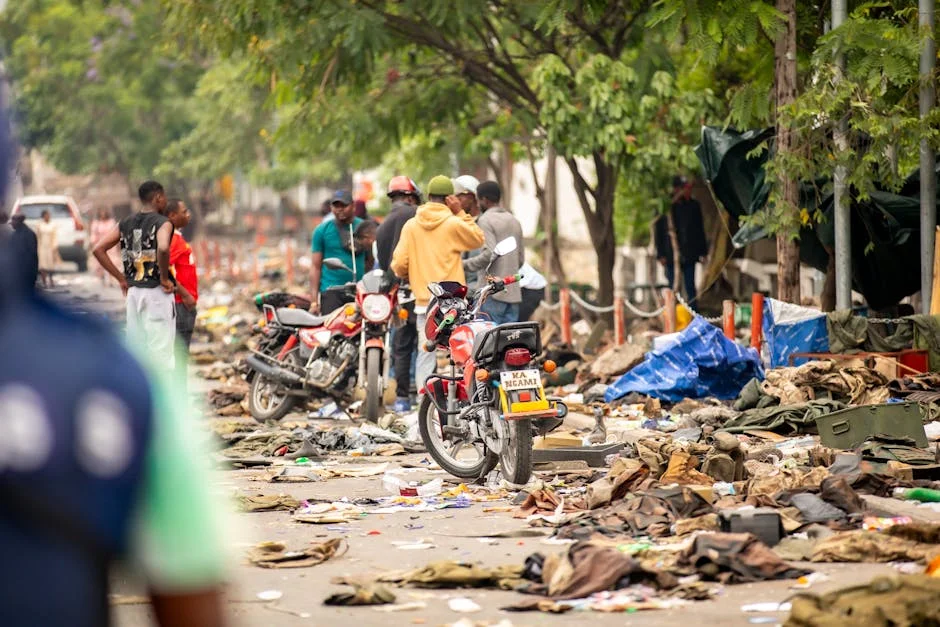
Local human rights organisations report that at least 47 political activists have been detained since January. The junta has dismissed these figures as exaggerated, though it has provided no official count of its own. State media carried the announcement during a nationally broadcast address, framing the restrictions as necessary for national security.
Regional Backlash Grows
Neighbouring nations have responded with unusual swiftness. The Economic Community of West African States issued a statement condemning the suspension and demanding the immediate restoration of constitutional order. Several member states are now debating whether to impose diplomatic sanctions, though analysts remain skeptical that collective action will prove effective.
Diplomats in Ouagadougou report that the junta has expelled at least three foreign journalists in the past six weeks, making independent reporting increasingly difficult. The capital city has seen a visible increase in security checkpoints, with soldiers conducting random searches in neighbourhoods long considered opposition strongholds.
Citizens Bear the Cost
For ordinary Burkinabe, the practical consequences have been immediate. Market traders in Ouagadougou describe heightened anxiety about conducting business in areas associated with opposition figures. Students at the University of Ouagadougou report that campus security has intensified, with several student organisations forced to cancel scheduled meetings.
The restrictions have complicated humanitarian operations in the country's north, where Islamist insurgencies continue to displace thousands. Aid workers say permit requirements for movement between regions have become unpredictable, delaying delivery of food and medicine to vulnerable populations. The United Nations Office for the Coordination of Humanitarian Affairs confirmed that three aid convoys were delayed in February alone.
Democracy Erosion Across the Continent
The Burkina Faso situation reflects a broader pattern of democratic regression across Africa. Since 2020, at least six countries on the continent have experienced military takeovers or constitutional amendments that extended ruling parties' grip on power. The trend has accelerated despite decades of international investment in governance programmes.
Regional analysts point to several contributing factors: rising insecurity has given juntas convenient justification for suspending rights, while economic pressures have eroded public faith in elected governments. International partners, many facing their own domestic challenges, have shown limited appetite for aggressive intervention.
International Response Falls Short
Western donors have issued statements expressing concern, but concrete action has been limited. France suspended military cooperation with Burkina Faso last year, only to see Russia expand its influence in the security vacuum. The junta has welcomed Russian private military contractors, a development that has complicated diplomatic efforts to pressure the regime.
The African Union has called for dialogue, though the bloc's track record in enforcing its own decisions remains poor. Regional experts note that economic leverage over Sahelian states has diminished as countries seek alternative security partnerships. Burkina Faso's junta appears to have calculated that international pressure carries less risk than domestic opposition.
What Comes Next
The junta has promised elections, though no date has been set. Opposition coalitions are fractured, and many prominent critics have fled the country or been silenced. Civil society organisations operating inside Burkina Faso describe their work as increasingly dangerous, with monitors facing harassment and arbitrary detention.
Citizens should watch for several developments in the coming months. A scheduled ECOWAS summit in April will determine whether member states agree on coordinated pressure. Separately, humanitarian agencies are preparing contingency plans should access restrictions intensify further. The fate of Burkina Faso's political prisoners, including several former cabinet ministers, may serve as an early indicator of whether the junta intends eventual compromise or permanent rule.
See Also
- Lagos State Government Demands Environmental Discipline to Boost Local Economy
- Lewis Reveals Presidential Aspirations Amid Steenhuisen-George Feud: What It Means for South Africa
What is the latest news about burkina faso suspends civil liberties neighbors brace for spillover?
Why does this matter for politics-governance?
What are the key facts about burkina faso suspends civil liberties neighbors brace for spillover?