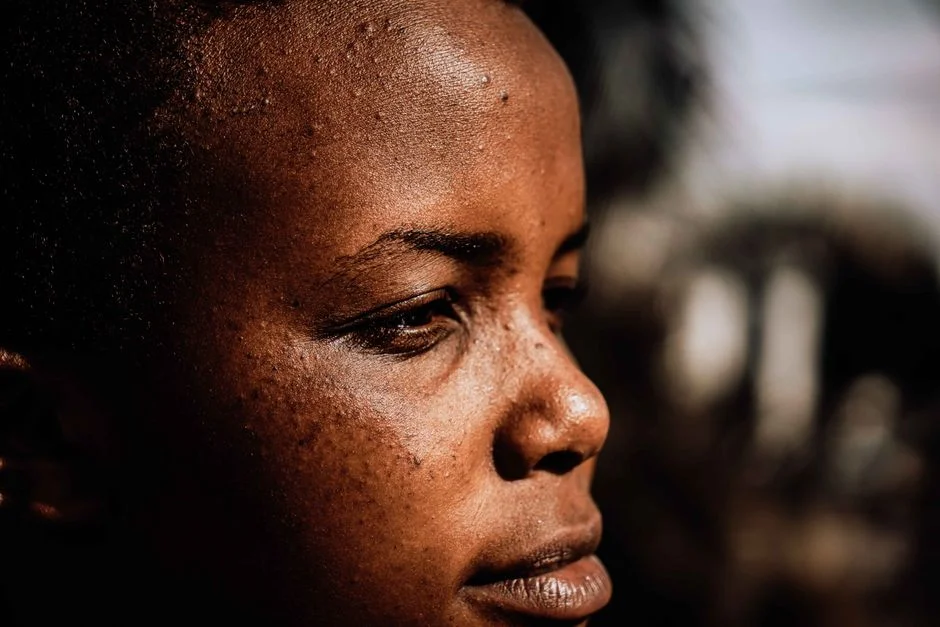
For decades, Marie Akum barely spoke about the night armed men attacked her village in the Democratic Republic of Congo. She was seventeen. The attackers stayed for three days. Today, at forty-two, she stands before a gathering of journalists, aid workers, and fellow survivors in Nairobi, telling her story aloud for the first time. Her voice trembles, but it does not stop.
A Movement Built on Painful Silence
The silence surrounding wartime rape across Africa has finally cracked. Survivors like Akum are stepping forward in growing numbers, sharing testimonies that activists say expose a crisis long overlooked by governments and international bodies. In Nairobi alone, three separate survivor groups have emerged since 2022, each offering safe spaces for women and men to speak without fear of stigma.
Doctor Fatou Soumah, who coordinates a trauma programme run by the African Centre for Peace and Justice, estimates that fewer than fifteen percent of survivors in conflict zones ever report their attacks. "Shame keeps them quiet," she told reporters at the Nairobi forum. "Poverty keeps them quiet. Fear of retaliation keeps them quiet." Her programme has registered more than eight hundred survivors across four countries in the past eighteen months.
The Scale of Sexual Violence in African Conflicts
Across Africa's conflict zones, sexual violence has served as both weapon and war tactic for decades. The United Nations documented over fifteen hundred cases of conflict-related sexual violence in the Democratic Republic of Congo between 2020 and 2023. Similar patterns emerged in South Sudan, where a 2022 UN mission recorded systematic attacks against civilians in at least three regions.
In Nigeria's northeastern states, security analysts have linked surges in gender-based violence to the ongoing insurgency. Local aid organisations reported handling more than three hundred cases requiring medical and psychological support during the first quarter of this year alone. The numbers represent only those who reached help. The true figure remains unknown.
Barriers Preventing Survivors From Speaking
Survivors at the Nairobi gathering identified three consistent barriers preventing others from coming forward. Cultural stigma ranks highest. Many survivors described being rejected by husbands or families after disclosure. Economic exclusion follows close behind, as survivors often lose their livelihoods after attacks. Legal obstacles round out the list, with court proceedings routinely taking five years or longer to reach resolution.
Grace Mwangi, a legal advocate with the Nairobi-based Gender Violence Recovery Centre, recounted working with a survivor who waited seven years before her case reached trial. "By then, witnesses had scattered, evidence had degraded, and the survivor herself had moved three times to escape harassment," Mwangi said. "The system is not designed for these cases to succeed."
What Survivors Are Demanding Now
The survivors gathered in Nairobi have drafted a five-point framework they want African governments to adopt. The demands include mandatory specialised courts for sexual violence cases, guaranteed free legal representation for survivors, and annual government funding for trauma support services. They also call for inclusion of survivors in peace negotiations where gender-based violence is discussed.
Kenya's Ministry of Public Service and Gender Affairs acknowledged the framework in a written statement, calling it "a valuable contribution to ongoing policy discussions." The statement did not commit to specific timelines or funding. Other governments in the region have yet to respond publicly.
International Pressure and Regional Response
The African Union has repeatedly cited conflict-related sexual violence as a priority concern, most recently in a resolution adopted at its February summit in Addis Ababa. The resolution called on member states to strengthen legal frameworks and improve coordination with international justice mechanisms. However, critics point out that enforcement mechanisms remain weak.
The International Criminal Court has prosecuted several cases of sexual violence as crimes against humanity, but proceedings typically stretch beyond a decade. Survivors who testified in those cases told the Nairobi gathering that the process re-traumatised them without delivering the closure they sought.
Community-Level Efforts Filling the Gaps
While governments debate frameworks, community organisations are already acting. In Goma, a local women's cooperative run by survivors themselves now provides income-generating work alongside counselling services. The cooperative currently employs sixty-three women and has partnered with two international NGOs for funding.
Similar models are appearing in Uganda and Rwanda, where former survivors lead training programmes for newly displaced women. The peer-to-peer approach appears to reduce the shame barrier. "I believed her because she had been through it too," said one programme participant in Kigali. "A counsellor in an office could never understand the same way."
Looking Ahead — What Comes Next
Survivor advocates have set September as their target month for delivering the five-point framework directly to African Union officials in Addis Ababa. They are organising regional consultations in Dakar, Kampala, and Yaoundé before that date to gather additional testimonies and signatures.
For Marie Akum, the journey from silent survivor to public witness has taken nearly twenty-five years. She plans to return to her village in the DRC next month, where she will help establish the first survivor-led support group in her district. "Speaking in Nairobi changed something in me," she said quietly. "Now I have to go back and help others find that change too."
See Also
- England Lions Sign Asa Tribe — What This Means for Nigerian Fans
- South Africa Cracks Down on Homeowners — Prices Surge in Cape Town
Other governments in the region have yet to respond publicly.International Pressure and Regional ResponseThe African Union has repeatedly cited conflict-related sexual violence as a priority concern, most recently in a resolution adopted at its February summit in Addis Ababa. However, critics point out that enforcement mechanisms remain weak.The International Criminal Court has prosecuted several cases of sexual violence as crimes against humanity, but proceedings typically stretch beyond a decade.