Eric Teniola, a prominent legal scholar and former Justice of the Supreme Court, has publicly criticized the Nigerian Government over its handling of the controversial Crossing issue, sparking a heated debate in Lagos. The dispute, centered around land use and infrastructure development, has divided communities and raised concerns about governance and transparency. Teniola, who previously served as Chief Justice, accused the government of ignoring legal procedures and failing to engage with local stakeholders, exacerbating tensions in the region.
Government’s Handling of the Crossing Issue Sparks Outcry
The controversy began when the Lagos State Government announced plans to redevelop a major crossing point in the city, a key artery for commuters and traders. The project, part of a broader infrastructure drive, faced immediate resistance from residents and legal experts. Eric Teniola, in a recent public statement, argued that the government bypassed due process and failed to consult with affected communities, leading to widespread distrust.
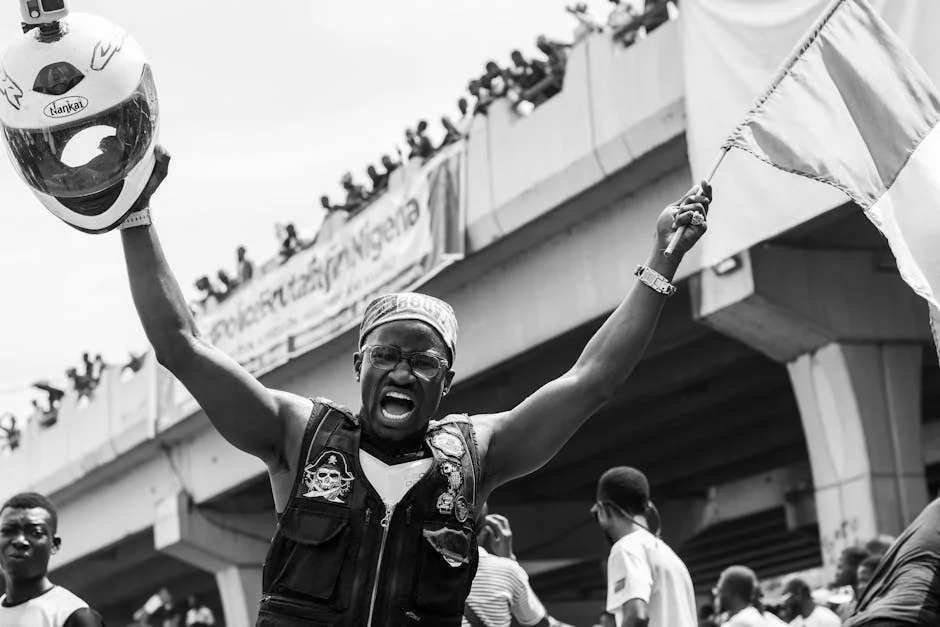
“The government’s actions are not just legally questionable but also socially irresponsible,” Teniola said. “When you ignore the voices of those directly impacted, you risk deepening divisions and undermining public confidence.” His comments have been widely shared on social media, with many Lagosians expressing frustration over the lack of transparency in the decision-making process.
Impact on Daily Life and Local Economy
The Crossing dispute has had immediate effects on daily life for residents in Lagos. Commuters report increased traffic congestion and delays, while local traders say the uncertainty surrounding the redevelopment has hurt business. In Surulere, a densely populated area near the disputed crossing, vendors have seen a 30% drop in sales over the past month, according to a local market association.
“We’re not against development, but we need to be involved in the conversation,” said Adebayo Adeyemi, a market stall owner. “This is our home, and we deserve to have a say in how it changes.” The economic strain is particularly felt in neighborhoods where small businesses form the backbone of the local economy.
Community Response and Calls for Dialogue
Local communities have organized meetings to voice their concerns, with many demanding a public hearing on the redevelopment plans. The Lagos State Ministry of Works has acknowledged the feedback but has not yet provided a timeline for further consultations. Activists argue that the government must act quickly to prevent further unrest.
“This isn’t just about a road or a crossing,” said Nia Ogunyemi, a community leader in Ikorodu. “It’s about respect, representation, and the right to shape our own future.” Protests have been largely peaceful, but some residents fear that the lack of dialogue could lead to more confrontations in the coming weeks.
Legal and Political Implications
The dispute has also drawn attention from legal experts and political analysts. The issue highlights a broader pattern of government projects that often proceed without sufficient community input, raising questions about governance in Nigeria. Teniola’s involvement has added weight to the calls for a more inclusive approach.
“When high-profile figures like Teniola speak out, it signals that the issue is not just local but national in scope,” said Dr. Chidi Okoro, a political scientist at the University of Lagos. “This could set a precedent for how future projects are handled.”
Looking Ahead: What Comes Next?
The Lagos State Government is expected to hold a public forum on the Crossing redevelopment by the end of the month. However, many residents are skeptical about whether the session will lead to meaningful change. Meanwhile, legal challenges are being prepared by community groups, who argue that the process was flawed from the start.
As the debate continues, the focus remains on how the government will respond to the growing demands for transparency and participation. With tensions rising in Lagos, the outcome of this dispute could have lasting implications for how infrastructure projects are managed across Nigeria.
See Also
- Kano Youths Burn Kwankwaso-Obi Merger Posters — Party Crisis Deepens
- Nigerian Pensioners Threaten to go Nude in Protest of Economic Hardship