African music giants are filling stadiums in Paris and Amsterdam while leaving Nigerian fans stranded in Lagos. This trend highlights a disconnect between the global reach of African pop and its local accessibility. Citizens watch their heroes perform thousands of miles away, paying premium prices for what should be a homecoming.
The Global Stage Dominates
Artists like Burna Boy and Wizkid have successfully exported Afrobeats to the world. They sell out arenas in Europe and North America with remarkable consistency. This global success is undeniable and financially lucrative for the performers.
However, the frequency of tours within Africa has not kept pace with international expansion. Fans in Nairobi or Johannesburg often wait years for a single concert. The disparity creates a sense of exclusion among the very audience that built their careers.
European promoters offer higher guarantees and better infrastructure for these mega-events. This financial incentive draws artists away from their continental roots. The result is a touring schedule that favors Western cities over African capitals.
Local Fans Face Rising Costs
When these stars do return to Nigeria, ticket prices surge dramatically. A standard seat in Lagos can cost as much as a VIP table in London. This pricing structure excludes the middle class who form the core of the fanbase.
The currency devaluation exacerbates the problem for local attendees. As the Naira fluctuates, promoters raise prices to hedge against exchange rate risks. Fans end up paying more for a show that feels less accessible than ever before.
Community events and local festivals suffer as a result. Major stars command the bulk of the budget, leaving little for emerging talents. This dynamic stifles the growth of the local live music ecosystem.
Infrastructure Challenges in Africa
Many African cities lack the consistent venue quality found in Paris or Amsterdam. Power outages, traffic congestion, and seating comfort remain persistent issues. These logistical hurdles make local tours less appealing to international production teams.
Promoters often cite these challenges when explaining their scheduling choices. While valid, these excuses sometimes mask a lack of investment in local infrastructure. The gap between African and European venues continues to widen.
Investment in local arenas could help bridge this divide. Modern facilities with reliable power and seating would attract more artists. This requires coordinated effort between government bodies and private investors.
Why Arena Matters for the Industry
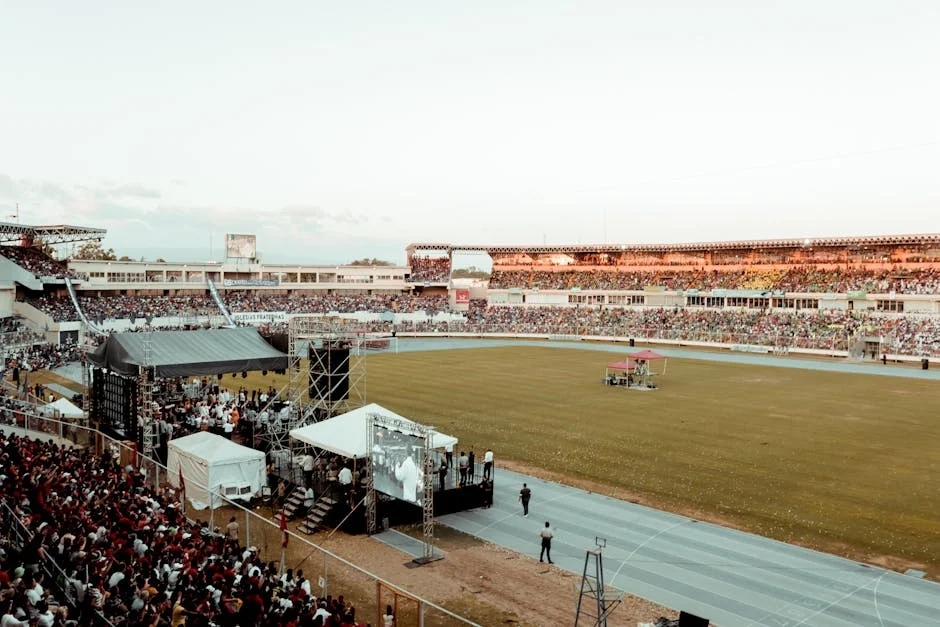
The concept of a dedicated, high-capacity arena is crucial for live music growth. Cities like Lagos and Accra need venues that can host 5,000 to 10,000 fans comfortably. Without these spaces, artists are forced to rely on outdoor stages or hotels.
An arena provides a controlled environment for both performers and audiences. It offers better acoustics, lighting, and merchandise opportunities. This infrastructure is essential for scaling the live music market in Africa.
Current developments in Lagos show some progress in this area. New venues are emerging to meet the growing demand. However, the pace of construction needs to accelerate to match the industry's growth.
Impact on Local Economies
The live music industry contributes significantly to local economies. Concerts create jobs for technicians, security personnel, and vendors. When tours bypass local cities, these economic benefits are lost.
Spillover effects include increased hotel bookings and restaurant sales. A single concert weekend can inject millions of Naira into the local economy. This financial injection supports small businesses in the surrounding neighborhoods.
By focusing too heavily on European tours, artists miss out on these local economic contributions. A balanced touring schedule would benefit both the stars and the communities that support them. This balance is key to sustainable growth.
Community Response and Fan Frustration
Nigerian fans are increasingly vocal about their dissatisfaction. Social media platforms are filled with complaints about ticket prices and availability. Fans feel undervalued despite being the primary drivers of the genre's popularity.
Community groups are organizing to demand better access to live music. These grassroots movements aim to pressure promoters and artists to prioritize local shows. Their efforts highlight the growing awareness of the issue.
Merchandise and secondary ticket markets have also become targets of criticism. Scalpers often exploit the high demand, further inflating costs. This creates a barrier for loyal fans who want to see their idols perform live.
Strategic Shifts Needed
Artists and managers need to rethink their touring strategies. Balancing global expansion with local engagement is essential for long-term success. Ignoring the home market risks alienating the core fanbase.
Promoters must invest in improving the local concert experience. This includes better ticketing systems, venue maintenance, and fan engagement. Quality improvements will make African tours more attractive to artists.
Government support can also play a crucial role in this shift. Tax incentives and infrastructure investments can encourage more local concerts. This collaborative approach can help revitalize the live music scene in Africa.
Looking Ahead: What to Watch
The next 12 months will be critical for the African live music industry. Several new venues are scheduled to open in major cities. These openings could provide the infrastructure needed to attract more international tours.
Fans should monitor ticket pricing trends for upcoming shows. Any significant changes could indicate a shift in promoter strategies. Keeping an eye on these developments will help understand the market direction.
Artists who prioritize local tours may see a resurgence in fan loyalty. This trend could influence how other stars plan their schedules. The balance between global reach and local presence will define the next era of African pop music.
See Also
- South Africa Hosts Thrilling Schoolboy Rugby Matches — Communities Rally Support
- South Africans Laugh as Unofficial Bafana Bafana Line-Up Goes Viral