Egypt is pushing hard to secure its place at the 2026 FIFA World Cup, with Mohamed Salah leading the charge for African glory. The Pharaohs face intense competition in the Confederation of African Football (CAF) qualifiers, a tournament that determines which nations will represent the continent in North America. This campaign is not just about football; it is a matter of national pride and economic opportunity for millions across Africa.
Salah Leads the Pharaohs' Charge
Mohamed Salah is the central figure in Egypt's quest for World Cup qualification. The Liverpool star has carried the national team for years, delivering crucial goals in tight matches against traditional rivals like Cameroon and Ghana. His performance on the pitch directly influences the morale of the Egyptian squad and the confidence of fans who watch every pass and shot with bated breath.
The pressure on Salah is immense. He must balance club duties with national team commitments while maintaining peak physical condition. Injuries have plagued African stars in recent years, and Egypt cannot afford to lose their captain during the critical final rounds of qualification. His leadership off the field is equally important, as he bridges the gap between veteran defenders and young attackers.
Fans in Cairo and beyond view Salah as more than just a striker. He represents hope and excellence for a continent that often feels underrepresented in global football narratives. Every goal he scores lifts the spirits of millions, creating a shared sense of achievement that transcends borders. This emotional connection drives ticket sales, merchandise revenue, and viewership numbers that rival European leagues.
Economic Boost for Host Communities
African teams in the World Cup generate significant economic activity for their home countries. When Egypt qualifies, businesses in Cairo, Alexandria, and other key cities see a surge in demand. Hotels, restaurants, and transport services experience increased turnover as fans gather to celebrate or mourn results. This local economic boost is immediate and tangible for small business owners.
The influx of tourists and returning diaspora members creates jobs in the service sector. Street vendors sell jerseys and snacks, while taxi drivers navigate through crowded streets to get supporters to stadiums or viewing parties. These micro-economic activities ripple through communities, supporting families and local economies that might otherwise remain static during off-season months.
Investors also take notice. International brands increase advertising spend during major tournaments, targeting the engaged African audience. Local companies benefit from sponsorship deals and increased visibility. This commercial activity helps stabilize the local currency and boosts consumer confidence, creating a positive feedback loop for the broader economy.
Social Unity and National Identity
Football unites Egyptians from all walks of life. During World Cup qualifiers, political divides and social tensions often fade as citizens rally behind the Pharaohs. This sense of unity is powerful, fostering a shared national identity that strengthens social cohesion. Schools, offices, and neighborhoods come together to watch matches, creating a communal experience that binds people.
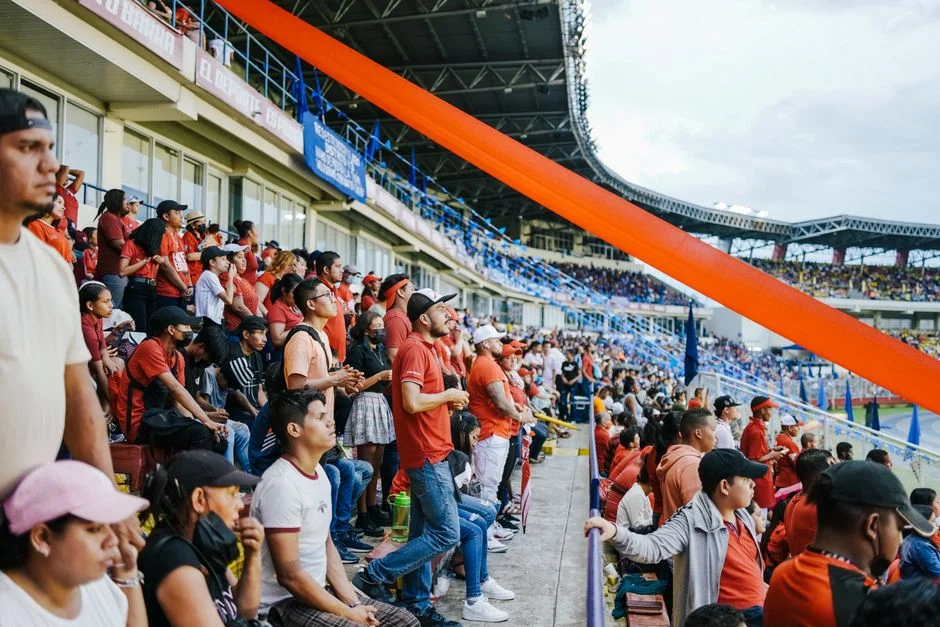
In neighborhoods across Cairo, men, women, and children gather in cafes and living rooms to cheer for their team. These shared moments create lasting memories and strengthen community bonds. The social fabric is woven tighter through the collective joy or frustration of football, providing a common language that transcends class and education levels.
This social impact extends beyond Egypt. Other African nations look to Egypt's performance with interest, seeing it as a reflection of the continent's potential. When Egypt succeeds, it inspires young players in Lagos, Nairobi, and Johannesburg to dream bigger. This inspirational effect fuels grassroots football development across Africa.
Youth Inspiration and Grassroots Growth
Young footballers in Egypt look to Salah as a role model. They emulate his skills, work ethic, and dedication. This inspiration drives enrollment in local football academies and street leagues, increasing the talent pool for the national team. Parents invest more in their children's football education, recognizing the potential for both sporting and economic success.
Grassroots programs benefit from increased funding and attention. Clubs in Cairo and Alexandria receive more sponsorship and support, allowing them to improve facilities and coaching quality. This investment in infrastructure creates a sustainable pipeline for future stars, ensuring that Egypt remains competitive in African football for years to come.
The ripple effect is visible in schools and community centers. Physical education programs emphasize football, recognizing its ability to engage students and improve health. This focus on sports education contributes to a healthier, more active youth population, with long-term benefits for public health and social development.
Regional Rivalries and CAF Dynamics
Egypt's path to the World Cup is fraught with challenges from regional rivals. Nations like Senegal, Morocco, and Nigeria are strong contenders, each with its own star players and tactical strengths. These matches are not just about points; they are battles for continental supremacy and historical bragging rights. The intensity of these rivalries adds drama and excitement to the qualifiers.
The Confederation of African Football (CAF) plays a crucial role in organizing these competitions. Decisions made by the CAF executive committee can influence team preparations, travel logistics, and even match scheduling. Understanding these dynamics is essential for fans and analysts who follow the qualifiers closely.
Egypt must navigate these political and sporting landscapes carefully. Diplomatic relations and historical grievances can sometimes spill over onto the pitch. The national team must remain focused and united, using their footballing prowess to overcome external pressures and secure their spot in the global stage.
Fan Engagement and Media Coverage
Media coverage of Egypt's World Cup campaign is extensive. Television networks, online platforms, and social media channels provide real-time updates and analysis. This constant stream of content keeps fans engaged and informed, creating a vibrant digital community around the team. The media's role is vital in shaping public perception and maintaining interest.
Social media platforms like Twitter, Instagram, and Facebook are buzzing with fan reactions. Supporters share memes, analyses, and live updates, creating a dynamic online conversation. This digital engagement extends the reach of the team's performance, attracting viewers who might not traditionally follow football. The interaction between players and fans online also strengthens the bond between the squad and its supporters.
Local journalists and pundits provide in-depth analysis, breaking down tactics and player performances. Their insights help fans understand the nuances of the game and appreciate the strategic decisions made by the coaching staff. This educational aspect of media coverage enhances the viewing experience and deepens fans' connection to the sport.
Looking Ahead: The Road to 2026
The countdown to the 2026 FIFA World Cup is on. Egypt must continue to perform consistently in the qualifiers to secure its place. The next few months will be critical, with key matches against top African rivals. Fans and analysts alike will be watching closely to see if the Pharaohs can deliver.
What to watch next is how Egypt handles pressure in crucial away games. The African qualifiers are known for their unpredictability, and a single slip-up can cost a team dearly. The coaching staff's ability to manage player fitness and tactical flexibility will be tested. Keep an eye on the upcoming fixtures and how Salah and his teammates respond to the challenges ahead. The final whistle on Egypt's qualification journey is still some distance away, but the stakes are higher than ever.
See Also
- Sanju Samson praises Jasprit Bumrah as deserving Player of the Match vs England: here's why
- Kapil Dev backs struggling Abhishek Sharma for World Cup final: here's why it matters
The next few months will be critical, with key matches against top African rivals. Understanding these dynamics is essential for fans and analysts who follow the qualifiers closely.
What is the latest news about egypt bids for world cup glory what it means for africa?
Why does this matter for culture-arts?
What are the key facts about egypt bids for world cup glory what it means for africa?