Nigerian newspapers on Thursday reported several critical updates impacting the nation's political landscape, including economic measures and social policies. Among the highlighted stories was the ongoing debate over the proposed fuel subsidy removal, which could affect millions of citizens. These developments signal a turbulent landscape as the government navigates economic recovery.
Fuel Subsidy Removal Discussed
The ongoing discussions around the fuel subsidy removal have become a focal point for many Nigerians. Currently, the government spends approximately $6 billion on fuel subsidies each year, a financial burden that has prompted calls for reform.

Experts from the Nigerian National Petroleum Corporation (NNPC) have indicated that removing the subsidy could lead to a 30% increase in fuel prices, significantly impacting transport costs and daily living expenses for citizens across the country.
Public Response in Lagos
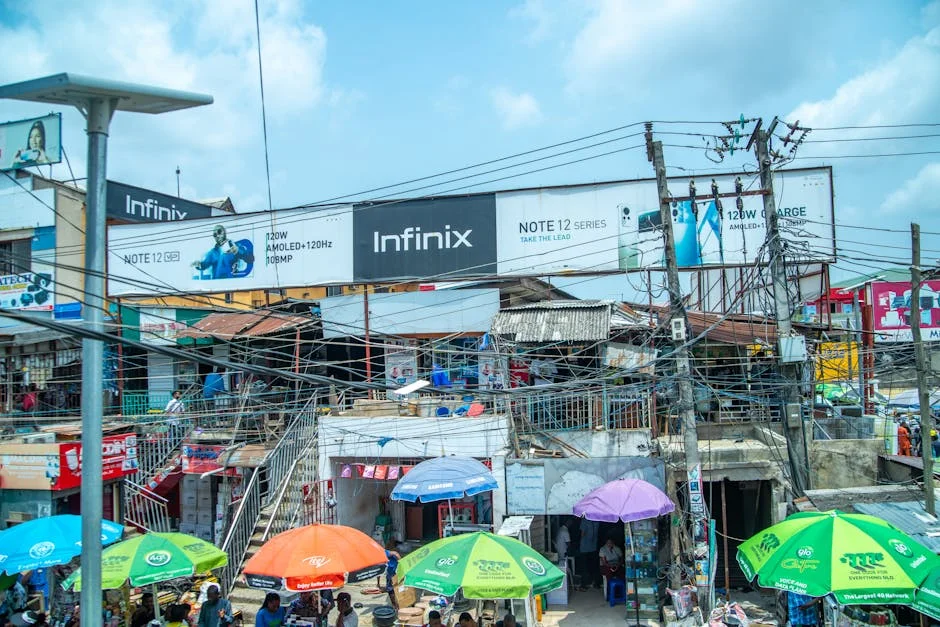
In Lagos, the financial hub of Nigeria, residents are already feeling the pinch. Local transport fares have surged by nearly 20% in anticipation of the subsidy removal. Many commuters expressed concerns about how they would manage their budgets, particularly with food prices also on the rise.
“If the price of fuel increases, we will have no choice but to increase our transport fares again,” lamented Abiola, a local bus driver. This ripple effect raises fears of further inflation impacting the cost of basic goods.
Unemployment Crisis Worsens
Nigerian newspapers also reported a troubling spike in unemployment rates, which have now reached 33% nationwide. This figure highlights a growing crisis, as millions struggle to find stable employment amidst economic uncertainties.
State governments are ramping up efforts to create job opportunities, with several initiatives reported in the press aimed at boosting local economies. However, these moves have not yet translated into significant job growth.
Healthcare Sector Update
Another vital topic covered is the ongoing reform in Nigeria’s healthcare sector. The recent shortage of medical supplies, exacerbated by supply chain disruptions, poses a significant challenge to hospitals across the country. At least 40% of hospitals in Nigeria reportedly lack essential medicines, affecting patient care.
The Federal Ministry of Health has promised to address these issues but has faced criticism for slow action. Citizens are anxious for a resolution, as many have been unable to access treatments necessary for their health.
Education Policy Changes
Additionally, the education sector is witnessing changes as the federal government plans to reform educational policies. Recent reports indicate an increased budget allocation of 15% for education, aimed at improving infrastructure and teacher salaries.
However, community leaders are sceptical about the implementation of these changes, fearing that without proper management, the funds may not reach the intended destinations. Local schools in rural areas often remain underfunded and overcrowded.
What to Watch Next
Looking ahead, citizens should keep an eye on the government's decisions regarding the proposed fuel subsidy removal, as it is likely to spark further protests and political unrest. Moreover, upcoming local government elections may provide insight into public sentiment regarding these pressing issues.
With political discourse heating up, Nigerians are encouraged to remain informed and engaged, as these developments will shape the landscape of daily life and the economy in the months to come.
See Also
- Over 12,000 Applicants Vie for 500 Teaching Jobs in Ekiti
- NOTE 60 Ultra Nears Nigeria Launch — Boosts Smartphone Market Competition
However, these moves have not yet translated into significant job growth.Healthcare Sector UpdateAnother vital topic covered is the ongoing reform in Nigeria’s healthcare sector. The recent shortage of medical supplies, exacerbated by supply chain disruptions, poses a significant challenge to hospitals across the country.