A Togo-flagged tanker carrying 12 Indian crew members was fired upon by the Iranian Coast Guard near the coast of Oman. The incident, occurring on the backdrop of the Iran War, has raised serious concerns about maritime security in the region. The tanker, identified as the 'MV Freedom', was navigating international waters when it came under attack, escalating tensions and drawing international attention.
Immediate Implications for Nigeria and West Africa
The incident poses significant concerns for West African nations, particularly Nigeria, due to its economic ties with Togo and the broader maritime trade network. The Gulf of Oman is a crucial route for oil and gas shipments that significantly impacts the local economies of West African countries, including Nigeria, through trade and energy supply chains.
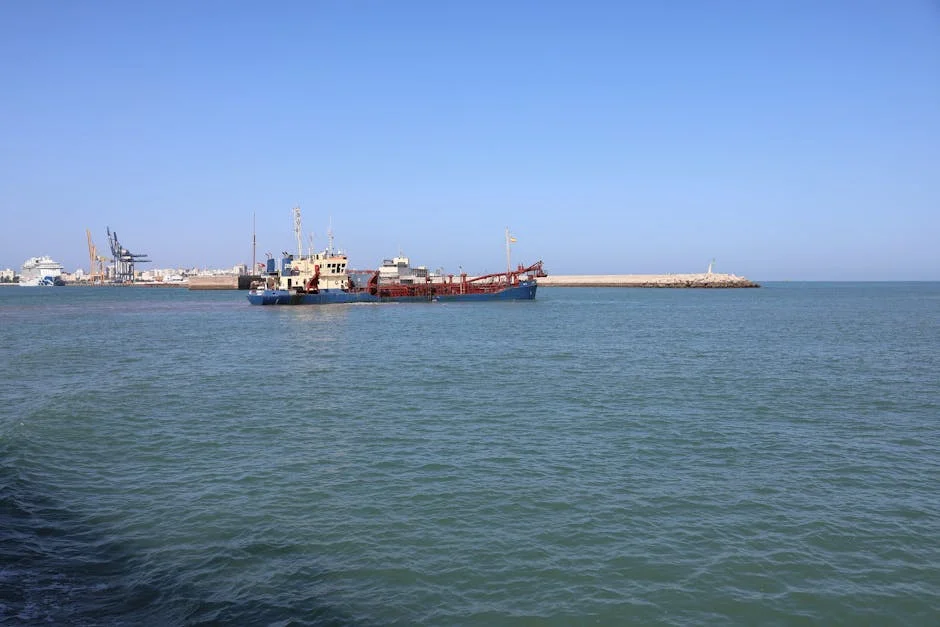
Nigeria, as a leading oil producer, often relies on the security of maritime routes for the export of its crude oil. Any disruptions in these important channels could potentially drive up costs and impact the flow of energy resources, affecting both local industries and consumer prices.
Historical Context and Regional Tensions
Historically, the Strait of Hormuz, near where the incident occurred, has been a flashpoint for geopolitical tensions, especially involving Iran and neighbouring countries. The Iranian Coast Guard's aggressive actions are not isolated, but part of a pattern of assertive maritime behaviour tied to regional conflict dynamics.
For Nigeria and its West African neighbours, understanding these developments is crucial. The Iranian Coast Guard's actions could signal a shift in maritime security strategy that might necessitate a regional response or adjustments in maritime policy to safeguard economic interests.
Community and Economic Impact
Communities in Nigeria that depend on international maritime trade might see immediate repercussions through potential increases in shipping insurance costs and delays in goods transport. Such disruptions may also affect daily life in terms of product availability and price stability, particularly if shipping lanes become unsafe.
Local businesses engaged in import and export could face heightened logistical challenges, impacting their operations and potentially leading to increased costs for consumers. The Nigerian government might need to engage in diplomatic channels to ensure the safety of its trade routes.
International Response and Future Monitoring
International response to this incident is being closely watched, as the actions of the Iranian Coast Guard could invoke broader geopolitical reactions. The United Nations and maritime organisations may call for increased security measures or diplomatic interventions to prevent further escalations.
Looking ahead, the maritime community in West Africa must monitor developments closely. There may be increased patrols or changes in shipping advisories, impacting both the cost and security of regional maritime routes. Stakeholders should stay informed on any changes in maritime policy that could affect trade routes and economic ties.
See Also
- JUST IN: Tinubu Returns To Nigeria After Visit To Qatar
- Meta Boss Mark Zuckerberg Apologises To Families In Fiery US Senate Hearing
Local businesses engaged in import and export could face heightened logistical challenges, impacting their operations and potentially leading to increased costs for consumers. Community and Economic Impact Communities in Nigeria that depend on international maritime trade might see immediate repercussions through potential increases in shipping insurance costs and delays in goods transport.
What is the latest news about iranian coast guard fires on togo tanker sparks tension near oman?
Why does this matter for politics-governance?
What are the key facts about iranian coast guard fires on togo tanker sparks tension near oman?