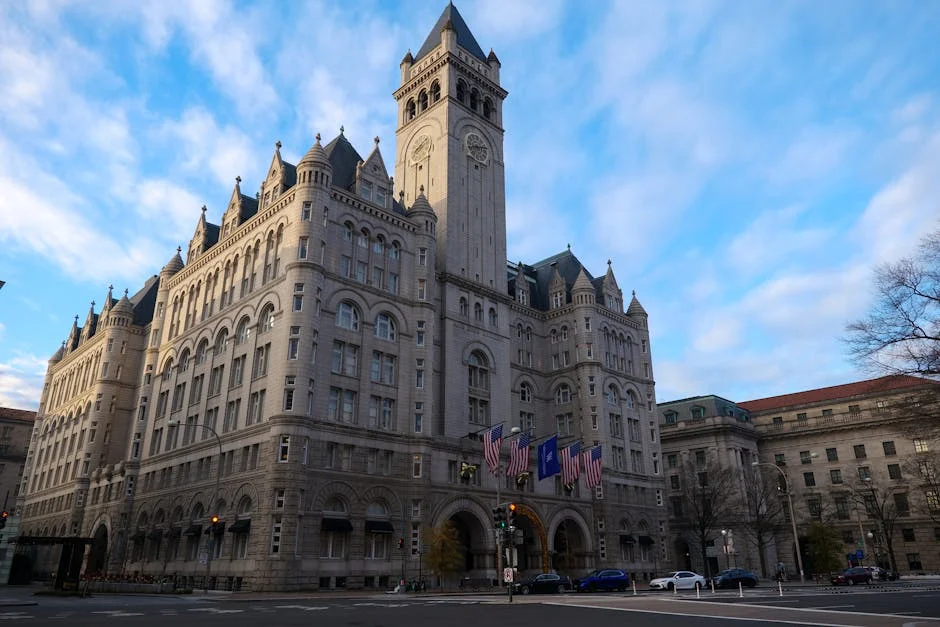
Defense Secretary Pete Hegseth has warned that the U.S. is prepared to resume combat operations against Iran if diplomatic talks fail, escalating regional tensions in the Middle East. The statement came as negotiations over Iran's nuclear program stalled, with no clear path to resolution. Hegseth, speaking at a press briefing in Washington, D.C., emphasized that the U.S. would not hesitate to act if its security interests were threatened. The warning has raised concerns across the region, particularly in Nigeria, where citizens are closely watching the developments due to the potential ripple effects on global oil markets.
U.S. Military Posture in the Region
Hegseth’s remarks signal a shift in U.S. strategy, with the Pentagon preparing for a possible escalation in the Iran-U.S. standoff. The defense secretary highlighted that military readiness has been increased in the Gulf, with additional aircraft carriers and surveillance assets deployed to the area. This move has been seen as a direct response to recent Iranian missile tests and cyberattacks on U.S. interests. The U.S. has also intensified its cooperation with regional allies, including Saudi Arabia and the United Arab Emirates, to counter potential threats.
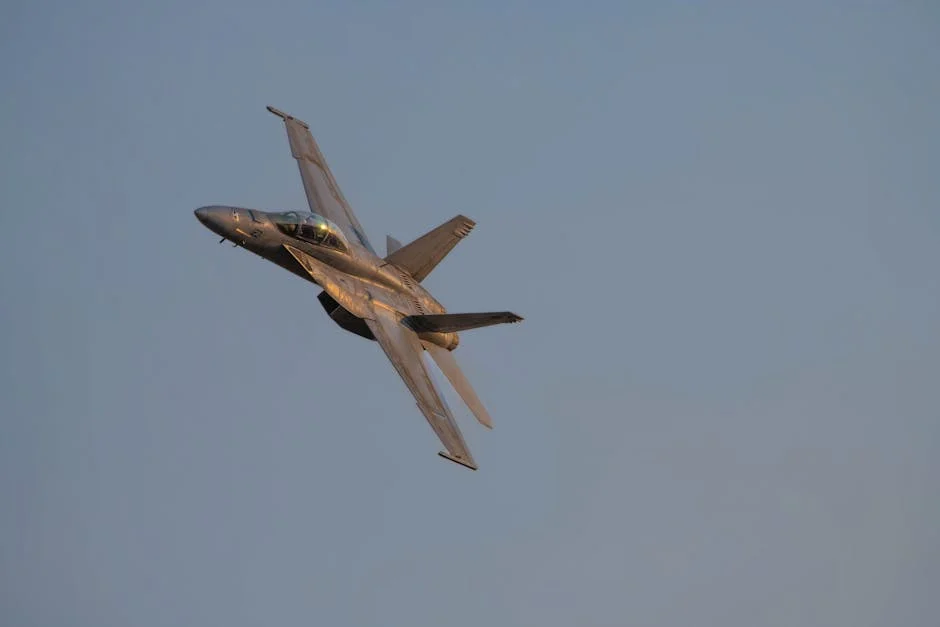
The deployment of advanced military hardware, including F-35 fighter jets and drone surveillance systems, has been reported in the Persian Gulf. These actions are not just symbolic but are part of a broader strategy to deter further Iranian aggression. Hegseth stated that the U.S. is “poised to act” if diplomatic channels close, a message that has been interpreted as a warning to both Iran and its regional allies.
Impact on Regional Stability
The potential for renewed U.S.-Iran conflict has already begun to affect regional stability. In the Gulf, shipping lanes have seen increased military presence, with several oil tankers rerouting to avoid the area. The Strait of Hormuz, a critical chokepoint for global oil trade, has become a focal point of concern. The U.S. has also warned that any attack on its vessels or personnel will be met with a swift and decisive response.
The situation has not gone unnoticed by neighboring countries, including Nigeria, which relies heavily on oil imports from the region. According to the Nigerian National Petroleum Corporation, about 30% of the country’s crude oil comes from the Middle East. A disruption in supply could lead to higher fuel prices and inflation, directly impacting everyday citizens. “If the situation escalates, we could see a spike in fuel costs within weeks,” said a senior economist at the University of Lagos.
Public Reaction and Economic Concerns
Citizens in Nigeria and other African nations are increasingly anxious about the potential for regional conflict. Social media platforms have been flooded with discussions about the impact on oil prices and the economy. In Lagos, a major economic hub, traders are already preparing for possible supply shortages. “We’ve seen price fluctuations before during conflicts in the Middle East, and it’s always the common people who suffer,” said Adebayo Adeyemi, a fuel distributor in the city.
The Nigerian government has not yet issued an official statement on the matter, but officials have expressed concern over the potential economic fallout. The Central Bank of Nigeria is monitoring the situation closely, with some analysts suggesting that the country may need to adjust its foreign exchange policies to mitigate the impact of rising oil prices.
What to Watch Next
The coming weeks will be critical in determining whether diplomatic efforts can prevent a military escalation. Hegseth has given Iran a deadline of two weeks to resume talks, with no further extensions. If negotiations fail, the U.S. is expected to announce a new set of measures, which could include sanctions, military drills, or direct action against Iranian assets.
For Nigeria and other oil-dependent nations, the situation remains highly volatile. The next major development will likely come from the United Nations Security Council, which is set to hold an emergency session on the matter. Citizens and businesses across the region are advised to stay informed and prepare for possible economic shifts.
See Also
- Lagos Police Expose 35,000 Cases — Residents Pay the Price
- Purported Stray Bullet: Kano Assures Safety Of Journalists In Government House