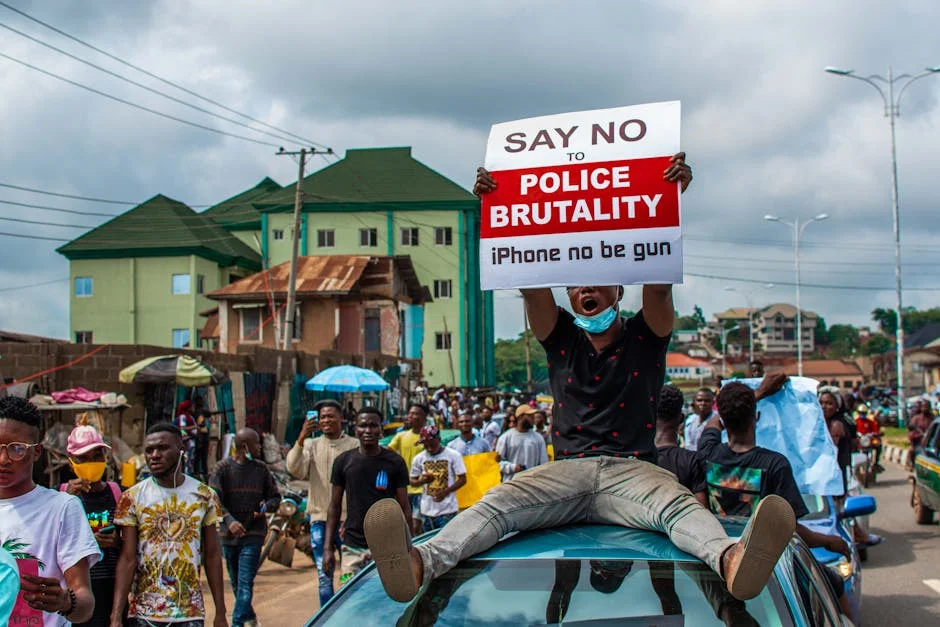
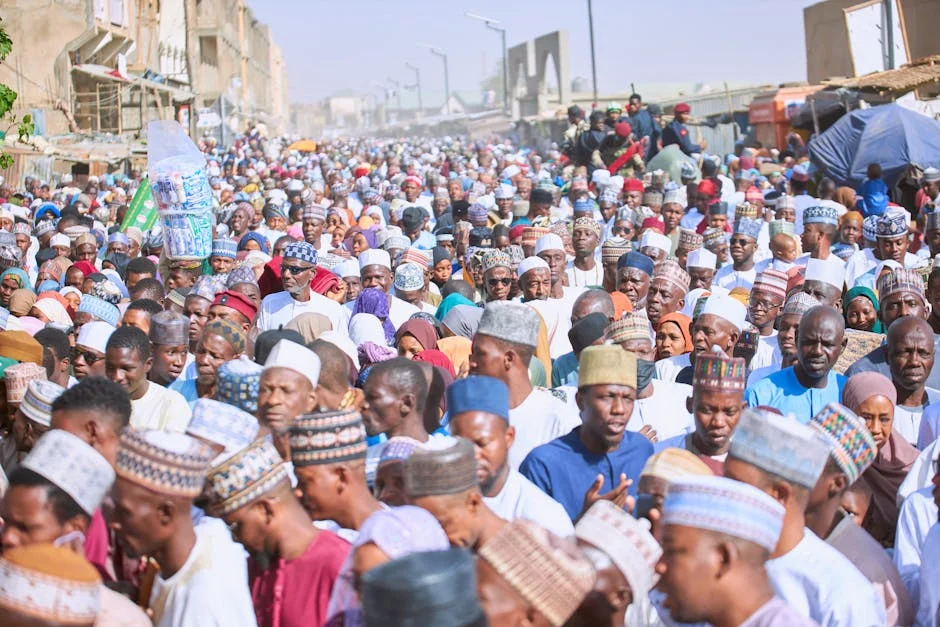
As living costs surge across Nigeria, many families are increasingly unable to afford quality education for their children. This crisis is particularly evident in urban areas, where tuition fees, uniforms, and learning materials have become prohibitively expensive. In Lagos, parents report monthly educational costs have escalated by over 30% in just the past year, forcing tough choices.
Escalating Costs of Education in Nigeria
The price of education continues to rise, prompting parents in cities such as Lagos and Abuja to reassess their financial priorities. In Lagos, for instance, a recent survey revealed that families now spend an average of ₦50,000 ($130) monthly on school fees alone, up from ₦38,000 ($100) a year ago. This increase can be attributed to inflation and the rising costs of basic goods, as the Nigerian economy grapples with persistent challenges.
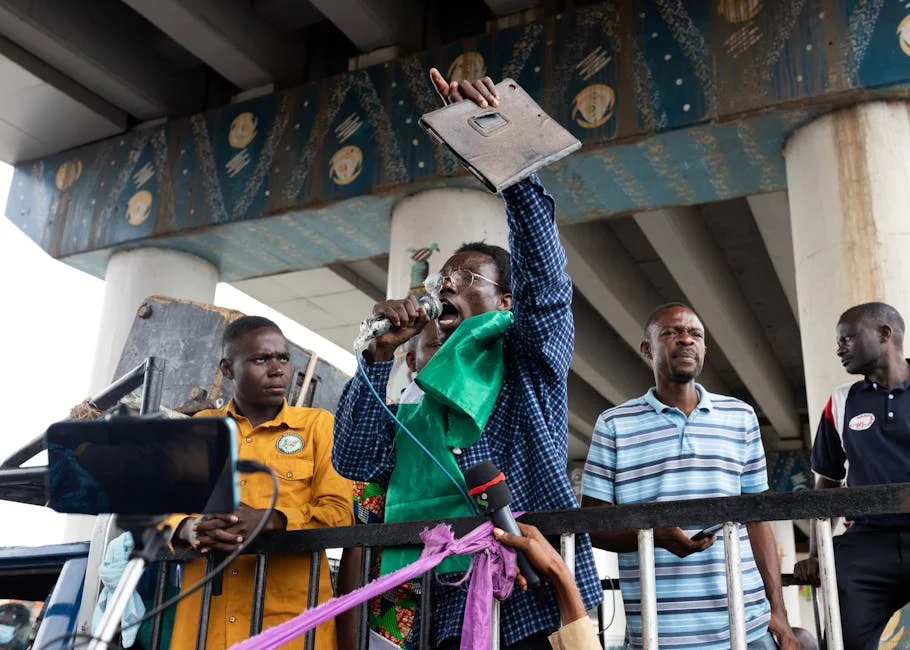
While public schools offer a less costly alternative, many families prefer private institutions due to perceived higher quality. However, these private schools are also raising fees, many citing increased operational costs and the need to pay teachers adequately. This trend leaves families in a difficult position, as they struggle to balance essential living expenses with their children's educational needs.
Impact on Children and Communities
The implications of rising education costs are profound, particularly for poorer communities. Children from lower-income households are the most affected, often forced to abandon their studies to support their families financially. For many, this means entering the labour force at a young age, which perpetuates the cycle of poverty.
In northern states like Kano and Kaduna, reports indicate that school attendance has dropped significantly. In Kano, educational attendance fell by 15% from last year, reflecting the struggles parents face. The loss of educational opportunities today could lead to long-term socio-economic repercussions for entire communities.
Government Response and Initiatives
The Nigerian Ministry of Education is aware of the crisis and has begun implementing measures aimed at alleviating some of the burdens. Recently, the ministry announced an initiative to increase funding for public schools and ensure better access to educational resources. However, the effectiveness of these measures remains to be seen, especially given the financial constraints faced by the federal and state governments.
In conjunction with government efforts, various NGOs are stepping in to provide scholarships and educational materials to underprivileged children. These initiatives aim to bridge the gap and ensure that education remains accessible to all, regardless of economic status. However, the scale of the crisis demands more extensive and sustainable solutions.
Community Voices on Education Struggles
Local community leaders have voiced their concerns over the rising costs and their impact on education quality. Fatima Ibrahim, a parent and community activist in Abuja, stated, "Every month, we have to choose between basic needs and education. Too many children are dropping out of school because we simply cannot afford it. That’s not just a personal tragedy; it’s a community crisis.”
Educational organisations like the United Nations Children's Fund (UNICEF) have also highlighted the alarming situation in Nigeria, urging both local and national governments to prioritise educational funding and support. Their reports show that Nigeria currently has over 10 million children out of school, a staggering figure that underscores the urgency of the situation.
The Future of Education in Nigeria
Looking ahead, the situation remains precarious. With the annual school year beginning in September, families are bracing for further increases in costs. Analysts predict that without significant intervention, including subsidies and support programmes, educational access for the most vulnerable groups will continue to decline.
Community engagement will be crucial in the coming months as parents push for policy changes that would alleviate financial pressures. Parents and educators alike are calling for a national dialogue on education funding, emphasising the need for an immediate response to save the futures of millions of Nigerian children.
What to Watch Moving Forward
As the situation develops, all eyes will be on the federal government's upcoming budget announcement scheduled for March 2024. This budget will reveal priorities for education funding and whether further measures will be implemented to tackle rising costs. Stakeholders in education will be hoping for concrete commitments that can directly impact families facing tough decisions about their children's futures.
See Also
- ICASA Slams Starlink With New Rules — Prices Could Rise
- Africa Today Reveals Rising Inflation Rates — Citizens Feel the Pinch
However, the scale of the crisis demands more extensive and sustainable solutions.Community Voices on Education StrugglesLocal community leaders have voiced their concerns over the rising costs and their impact on education quality. Analysts predict that without significant intervention, including subsidies and support programmes, educational access for the most vulnerable groups will continue to decline.Community engagement will be crucial in the coming months as parents push for policy changes that would alleviate financial pressures.
What is the latest news about nigerias rising living costs force families to sacrifice childrens education?
Why does this matter for technology-innovation?
What are the key facts about nigerias rising living costs force families to sacrifice childrens education?