On May 29, 2026, Africa Today reported a troubling surge in inflation across the continent, highlighting how soaring prices are impacting everyday life for citizens. In Nigeria, inflation rose to 18% this month, a significant increase that has already affected the cost of basic goods and services, particularly food and transportation.
Inflation's Local Impact on Nigeria
In Lagos, the price of staple foods has jumped by over 15% in the past month alone. The Ministry of Finance attributes this rise to a combination of factors, including supply chain disruptions and increasing fuel costs. Families are feeling the strain as they struggle to keep up with rising grocery bills, with many now spending a larger portion of their income on food than before.
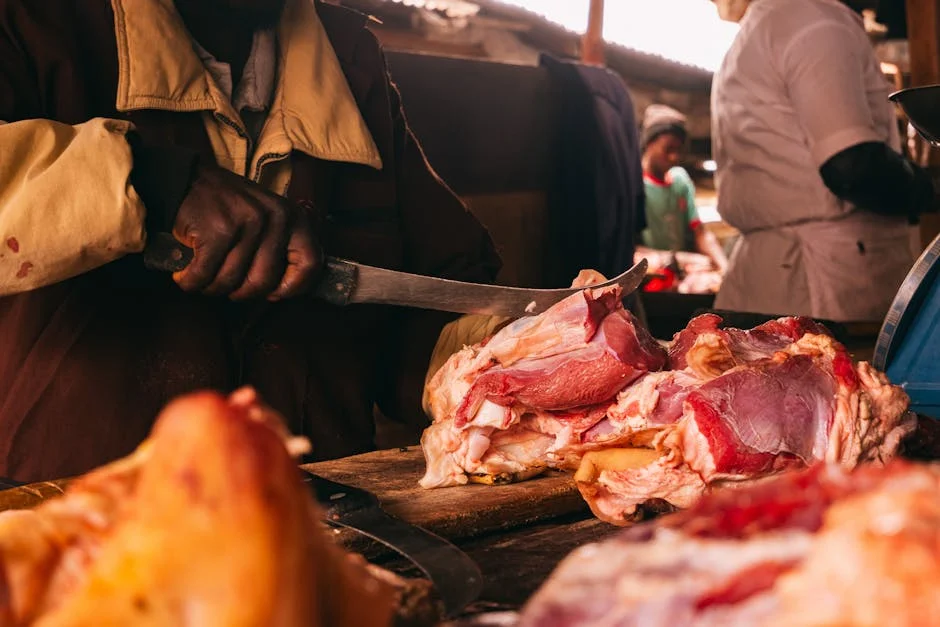
Local businesses are also facing challenges. Many small shop owners report reduced sales as consumers cut back on spending. A local grocer, Amaka Eze, stated, “Customers are buying less, and we are worried about how long we can keep our doors open if this continues.”
Regional Responses to Inflation
Other African countries are experiencing similar issues. In Kenya, inflation has reached 12%, affecting urban areas like Nairobi the hardest. The government has announced plans to monitor food prices more closely and is considering subsidies to alleviate the burden on families. This approach may serve as a model for Nigeria to explore as it grapples with its own inflation crisis.
Residents in both Nigeria and Kenya are calling for urgent government intervention. This includes pressure to stabilise prices and improve supply chains to ensure essential goods remain available and affordable.
Economic Consequences for Households
The rising inflation rates are not just numbers; they translate to lived experiences for millions. A recent survey indicated that 60% of Nigerian families have had to reduce their food consumption in the past month. Some families have turned to cheaper alternatives, resulting in nutritional deficits that could have long-term health implications.
In Kenya, the government’s focus on food price monitoring may also impact agricultural policies. Farmers are concerned that without adequate compensation for higher production costs, they may not be able to sustain their businesses. The ripple effects could lead to fewer jobs in rural communities, further exacerbating the problem.
Public Sentiment and Community Initiatives
Community response has been swift, with many grassroots organisations stepping in to support those most affected. Food banks are reporting increased demand, with some local charities increasing their meal distribution by 40% over the last month. In Lagos, initiatives like “Feed the Families” have emerged, providing meals to vulnerable households.
Citizens are also taking to social media to voice their frustrations, creating a platform for discussions around the need for policy change. Many are demanding transparency from the government about how inflation is being managed and what measures are being taken to assist struggling families.
Looking Ahead: What Citizens Should Watch For
The situation remains fluid, with economic forecasts suggesting that inflation may continue to rise unless corrective measures are implemented. Economic analysts warn that without intervention, families may face even tougher conditions in the coming months.
Upcoming government meetings in both Nigeria and Kenya will be crucial in shaping the response to these rising inflation rates. Citizens should monitor these developments closely, as they could lead to new policies aimed at alleviating the pressure on households and stabilising local economies.
See Also
- South Africa’s Warehouse Boom Sparks Job Fears
- East Africa Moves to Ban Used Clothes Imports — and the West Is Pushing Back
A recent survey indicated that 60% of Nigerian families have had to reduce their food consumption in the past month. Some families have turned to cheaper alternatives, resulting in nutritional deficits that could have long-term health implications.In Kenya, the government’s focus on food price monitoring may also impact agricultural policies.
What is the latest news about africa today reveals rising inflation rates citizens feel the pinch?
Why does this matter for technology-innovation?
What are the key facts about africa today reveals rising inflation rates citizens feel the pinch?