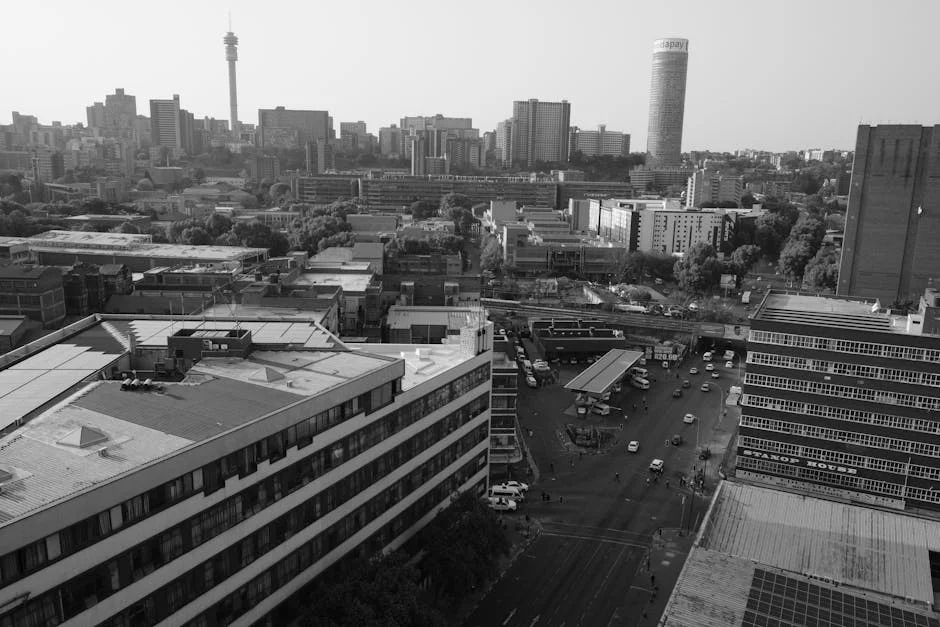
South African households are discovering a troubling reality: using less electricity does not automatically mean paying less on your monthly bill. Despite conservation efforts and load-shedding fatigue, many residents across Johannesburg, Cape Town, and Durban are reporting stagnant or even increased power costs despite deliberate attempts to reduce consumption.
The Fixed Cost Trap
At the heart of the paradox lies South Africa's electricity tariff structure. Eskom, the national power utility, calculates bills using a combination of demand charges and fixed network fees that persist regardless of how much power a household actually consumes. When a customer reduces their total usage, the demand charge — calculated based on peak draw rather than total consumption — often remains anchored to previous consumption patterns or municipal infrastructure surcharges.
The municipality adds another layer. Cities like Johannesburg and Tshwane apply their own markups on electricity purchased from Eskom, then layer additional fixed charges for infrastructure maintenance, street lighting, and admin costs. These fees appear regardless of whether you switched off every appliance in the house.
Infrastructure Burden Falls on Users
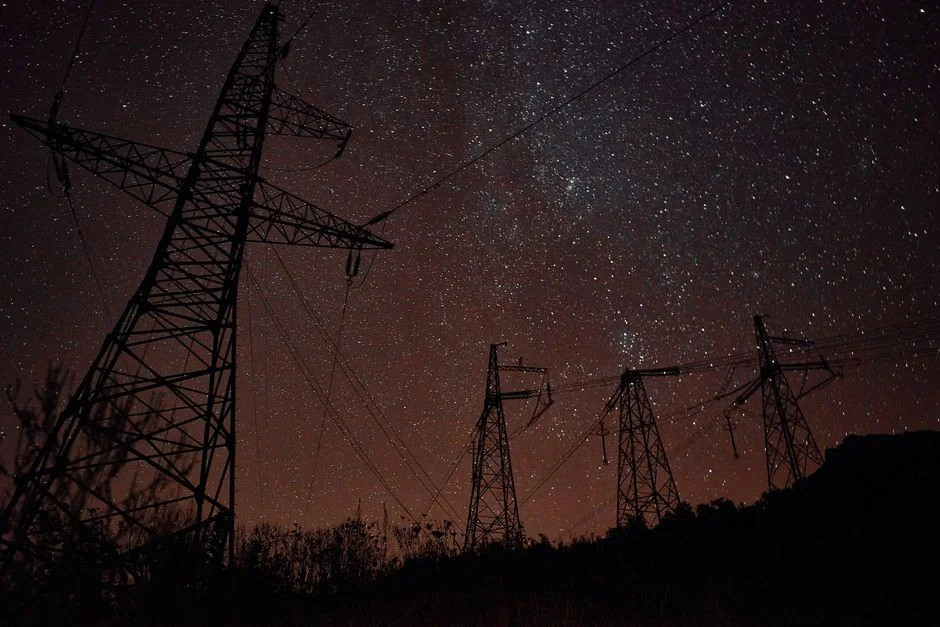
South Africa's electricity network carries decades of underinvestment. Eskom's aging infrastructure, strained by decades of maintenance deferrals, requires massive capital injection. The utility has been granted tariff increases averaging 18.65 percent annually through to 2027 by the National Energy Regulator of South Africa (Nersa). These increases are distributed across all customer categories, but residential users on standard tariffs bear a disproportionate share of network maintenance costs.
Households in Gauteng province have been particularly hard hit. Local media outlets in Johannesburg reported in recent months that residential electricity bills in some suburbs remained flat or rose slightly even as families reported cutting usage by 15 to 20 percent. The reason: fixed charges absorbed whatever savings the reduced consumption should have delivered.
How Demand Charges Work Against Savers
Unlike simple flat-rate billing, demand-based tariffs charge customers for the highest rate of power draw during a billing period. A household that uses 400 kilowatt-hours spread evenly across a month may pay more than a neighbour who uses 500 kilowatt-hours but peaks lower. This structure was designed for industrial users but has increasingly been applied to commercial and now some residential customers in upgraded municipal billing zones.
The practical effect is perverse. A family that installs solar panels, uses LED lighting, and turns off air conditioning during peak hours may still face a bill similar to one from a year earlier, simply because their demand charge and fixed municipal fees remain constant.
Community Response and Adaptation
Community organisations in township areas have begun organising energy literacy workshops. In Soweto, local nonprofits have started teaching residents about demand management techniques — spreading out heavy appliance use, installing monitoring devices, and understanding their municipal billing codes. The sessions fill quickly, suggesting widespread confusion about why conservation does not translate to savings.
Social media forums and neighbourhood WhatsApp groups in Pretoria and Port Elizabeth are filled with complaints from residents who believe their meters are malfunctioning. Municipal billing departments report increased disputes, though officials stress that the tariff structure is the culprit, not faulty equipment.
What Regulators and Utilities Say
Eskom has acknowledged the tension but points to infrastructure financing requirements. The utility faces a debt burden exceeding R400 billion and needs revenue certainty to service bonds and fund maintenance. Fixed charges provide that certainty. A spokesperson for Eskom confirmed that the utility is reviewing residential tariff structures but offered no timeline for changes.
Nersa, the regulator, receives annual tariff applications from Eskom and municipalities. The regulator has faced criticism for approving increases that outpace inflation while maintaining structures that disconnect usage from cost. Consumer advocacy groups have lodged formal objections in recent tariff hearings, arguing that fixed charges disproportionately harm low-income households.
Comparisons with Regional Neighbours
South Africa's approach differs markedly from neighbours. Namibia and Botswana have moved toward inclining block tariffs that more directly link higher consumption to higher per-unit rates, with lower tiers subsidised for basic needs. Zambia's utility implements clear lifeline tariffs where the first tier of consumption is heavily subsidised. South Africa's fixed-charge model means even the most frugal households pay a minimum that reflects infrastructure costs rather than actual electricity used.
This disparity is becoming a talking point in regional energy policy discussions. Development organisations working across southern Africa have flagged South Africa's model as potentially regressive, since it charges poorer households proportionally more for network access relative to their income.
Looking Ahead
Households should watch for the next Nersa tariff determination hearing, scheduled for later this year. Consumer groups are preparing submissions that call for revised lifeline tariffs and demand charge caps for residential users. Whether regulators will shift policy before the next tariff cycle remains uncertain, but the pressure is mounting.
For now, South Africans face a billing reality that rewards consumption in ways that contradict the national drive toward energy efficiency. Until the tariff structure changes, turning off the lights will not necessarily mean lighter bills.
See Also
- Malian Police Rescue 3 Nigerian Women from Brutal Sex Slavery in Bamako
- BMA Seizes Nearly R1 Billion Drug Shipment from Malawi at Beitbridge Border
The sessions fill quickly, suggesting widespread confusion about why conservation does not translate to savings.Social media forums and neighbourhood WhatsApp groups in Pretoria and Port Elizabeth are filled with complaints from residents who believe their meters are malfunctioning. The regulator has faced criticism for approving increases that outpace inflation while maintaining structures that disconnect usage from cost.