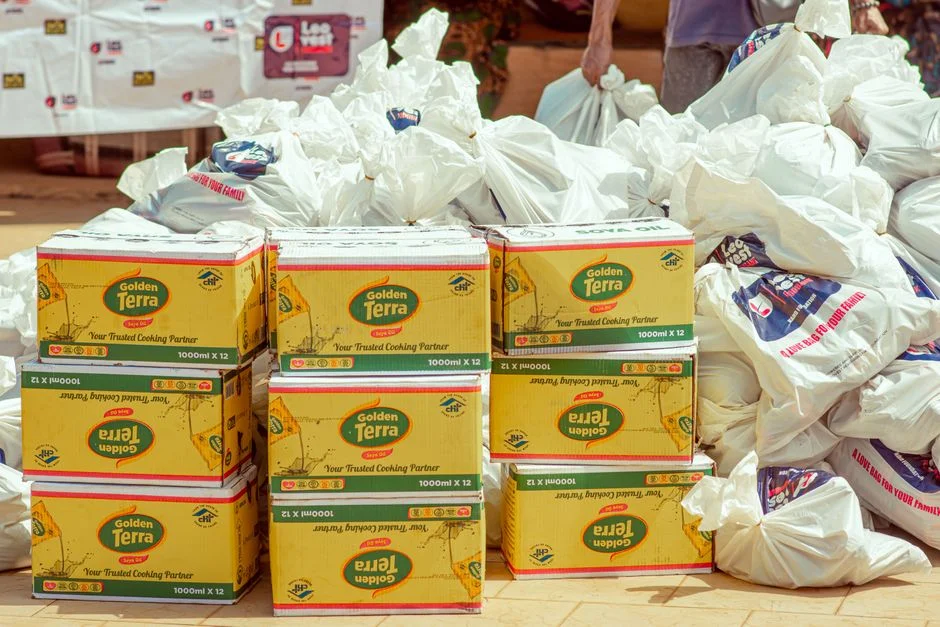
The United Nations has issued a stark warning that hunger across northern Nigeria is intensifying to crisis levels, driven by ongoing armed conflict that has disrupted farming, displaced communities, and crippled food supplies across multiple states. The assessment, released this week, identifies Borno, Yobe, and Adamawa states as the epicentres of what UN officials describe as a deepening emergency. Millions of civilians caught in the crossfire between military forces and armed groups face growing food insecurity, with humanitarian workers struggling to reach those most in need. The crisis compounds years of instability in the region, where access for aid agencies remains severely restricted.
UN assessment identifies three states as crisis epicentres
The World Food Programme, working alongside other UN agencies, conducted the assessment that found acute food insecurity affecting large portions of the northern population. Borno State, where the insurgency first took hold more than a decade ago, carries the heaviest burden. Yobe and Adamawa states have seen conditions deteriorate as conflict spreads into previously stable areas. UN officials noted that farming seasons have been destroyed for consecutive years, leaving communities without their primary food source. Markets in affected areas have seen prices rise sharply, pushing basic staples beyond the reach of families who have lost their livelihoods.
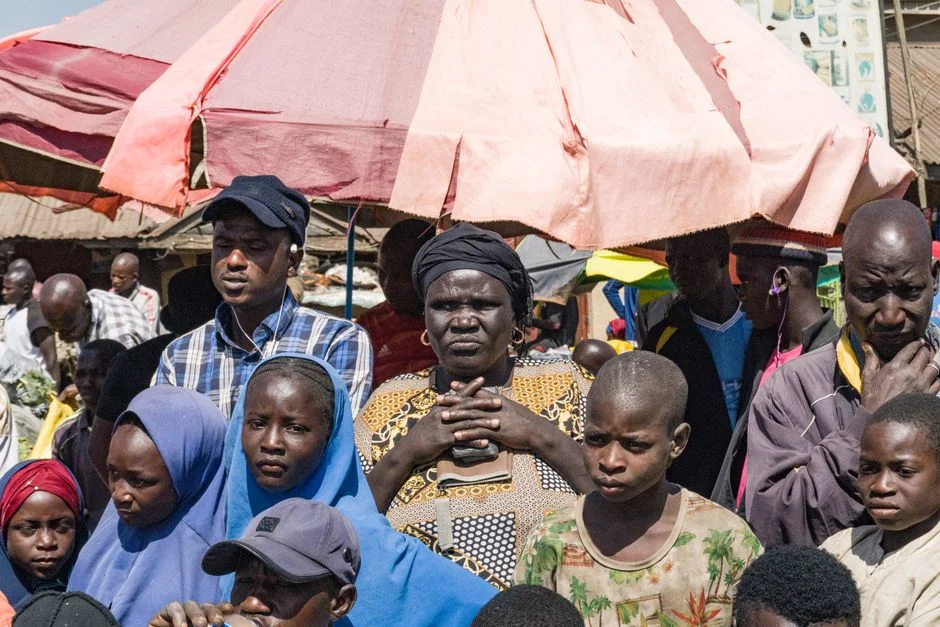
Who is most at risk in the hunger crisis
Children under five years old face the most severe consequences, with malnutrition rates climbing in displacement camps and host communities alike. Women and the elderly also make up a significant portion of those classified as severely food insecure. Entire villages that once produced their own crops now depend entirely on external assistance that struggles to arrive. The UN has called for urgent funding to scale up operations, warning that the window to prevent mass casualties is narrowing rapidly.
Conflict remains the primary driver of food insecurity
Armed groups operating in the region have consistently targeted farmland, stolen livestock, and attacked farmers attempting to plant or harvest crops. Military operations have also restricted movement along key routes used by traders and humanitarian convoys. The combination has created a situation where food production has collapsed while the population continues to grow. Displacement figures have risen steadily as more civilians flee violence, overwhelming settlements that lack adequate sanitation, healthcare, or food supplies. Local authorities in affected states have appealed for greater international support, though resources remain stretched thin.
Humanitarian access remains severely constrained
Aid agencies report that bureaucratic obstacles, security checkpoints, and active fighting have prevented consistent delivery of assistance to some of the worst-affected areas. Some communities have received no external food aid for months despite clear signs of hunger. The Nigerian military, which controls large portions of the conflict zone, has stated it is working to facilitate access for humanitarian organisations. However, UN officials say delays in clearance processes continue to hamper response efforts. Roads that once linked farming communities to markets have been destroyed or declared too dangerous to travel.
Local markets collapse as supply chains break down
In Maiduguri, the largest city in the affected region, commodity prices have risen sharply over the past year. A bag of maize that cost a fraction of current prices two years ago is now beyond the budget of many families. Traders who once brought produce from surrounding villages report that supplies have dried up. The city itself has absorbed hundreds of thousands of displaced persons, placing enormous strain on existing food stocks and services. Local NGOs working in the city say they are overwhelmed and underfunded. Some organisations have been forced to reduce rations for the people they already support.
International response falls short of what is needed
Donor governments have contributed funds to the humanitarian response, but UN officials say the amounts pledged are insufficient to meet the scale of the crisis. The WFP has warned it may be forced to cut assistance to hundreds of thousands of people without additional commitments. Nigeria's federal government has acknowledged the situation and pledged support, though critics argue more should be done to address root causes. The government has pointed to ongoing military operations as the primary solution to the underlying security crisis. International humanitarian bodies continue to call for increased access and funding.
What happens next as the crisis deepens
The lean season, when food stocks from the previous harvest run low before the next planting cycle, typically peaks between June and August across northern Nigeria. Humanitarian workers say they expect conditions to worsen significantly before any improvement can be expected. The UN has scheduled a donor briefing in the coming weeks where it will present detailed figures on funding gaps and operational needs.Aid agencies are watching closely for signs that the Nigerian government will grant expanded access to conflict zones. What happens in the next two months could determine whether the crisis spirals further or begins to stabilise.
See Also
- Outgunned Exposes Child-Hunting Gang's Revenge in Angola: A Dire Reflection
- Angolan Thriller 'Outgunned' Exposes Child-Hunting Gang: What This Means for Nigeria
What is the latest news about un warns hunger in northern nigeria has reached crisis levels?
Why does this matter for culture-arts?
What are the key facts about un warns hunger in northern nigeria has reached crisis levels?