West Africa stands on the edge of another health crisis, and the difference between chaos and control comes down to one word: speed. An Ebola survivor and leading public health experts have issued a stark warning to regional governments. They argue that rapid response is the single most important factor in containing the virus and saving lives. This lesson is not just theoretical. It is drawn from the blood, sweat, and tears of communities that have already faced the white death.
For citizens in Nigeria, Ghana, and beyond, the message is urgent. The region cannot afford to repeat the mistakes of the 2014 outbreak. Communities need to understand how a fast response affects their daily lives. Every hour of delay allows the virus to multiply. This is why the call for speed is not just a medical strategy. It is a social imperative.
The Human Cost of Delay
The 2014 Ebola outbreak in West Africa killed over 11,000 people. Guinea, Liberia, and Sierra Leone bore the brunt of the devastation. But the virus did not stop at borders. It spilled into Nigeria, threatening major cities like Lagos. The death toll in Nigeria was relatively low, with only 11 confirmed deaths. However, the economic and social impact was profound.
Survivors of that outbreak speak of a different kind of sickness. It is a sickness of the system. When health workers fall ill, hospitals close. When borders shut, trade halts. People stop going to work. Children stop going to school. The entire social fabric begins to unravel. This is the reality that experts want West Africa to remember.
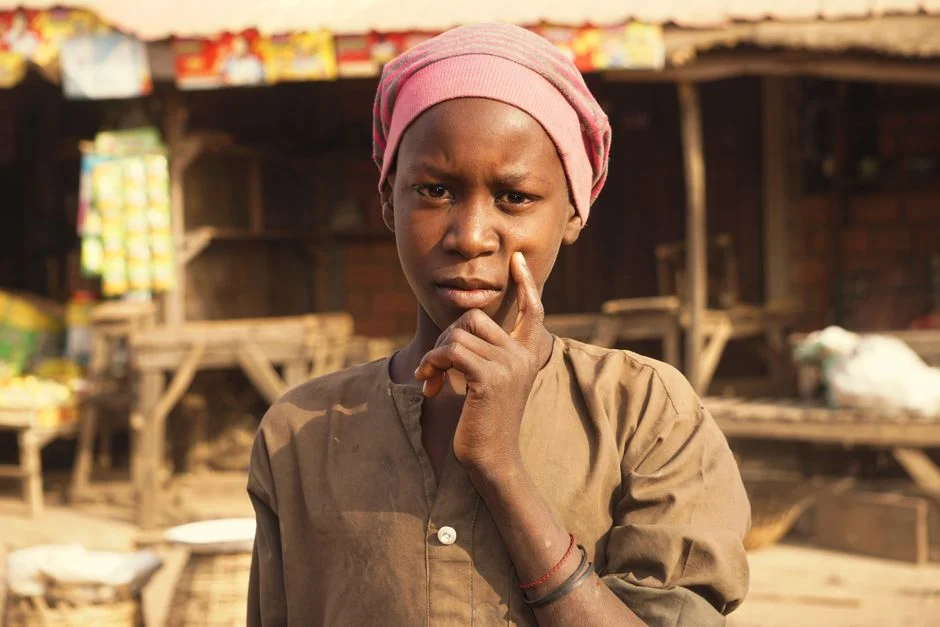
The survivor's testimony brings a human face to the statistics. She describes the fear of being the last person in the family. She talks about the stigma that follows patients even after they recover. These stories are powerful reminders that Ebola is not just a medical issue. It is a community issue.
Why Speed Matters in Public Health
Speed in an Ebola response means three things. First, it means identifying cases quickly. Second, it means isolating patients and their contacts immediately. Third, it means communicating clearly with the public. Any delay in these steps gives the virus a foothold.
Experts explain that the virus spreads through direct contact. This means that if a patient is identified early, the chain of transmission can be broken. But if the patient walks into a crowded market or a busy clinic, the chain grows longer. Each new case becomes a new source of infection. The numbers can grow exponentially in just a few weeks.
Key Components of Rapid Response
- Rapid testing to confirm cases within 24 hours
- Quick isolation of patients in dedicated treatment centers
- Swift tracing of contacts to monitor their health status
- Fast communication to reduce fear and misinformation
These steps are not complicated, but they require coordination. Health ministries must work with local leaders. Communities must trust the health workers. And governments must allocate resources quickly. This is where the lesson of speed becomes critical. It is not enough to have a plan. The plan must be executed with urgency.
Nigeria’s Preparedness and Vulnerability
Nigeria has made significant progress since the last outbreak. The Federal Ministry of Health has strengthened surveillance systems. New treatment centers have been built in key locations. Health workers have received updated training. These are all positive steps.
However, challenges remain. Nigeria is a large country with a diverse population. Moving quickly across such a vast area is difficult. Rural communities often have less access to healthcare than urban centers. This means that an outbreak in a remote village might take longer to detect. By the time it reaches the capital, it might have already spread.
Also, the economic situation affects health spending. When money is tight, health budgets are often the first to be cut. This can lead to shortages of essential supplies. It can also mean fewer health workers on the front lines. For Nigeria, maintaining a high level of readiness requires sustained political will and financial commitment.
Community Trust Is The Foundation
Speed is useless without trust. If communities do not trust the health workers, they will hide their sick relatives. They might bury them in secret. They might ignore quarantine orders. This was a major problem in the 2014 outbreak. In some places, nurses were stoned by villagers. In others, patients fled from treatment centers.
To build trust, health officials must engage with community leaders. They must listen to local concerns. They must be transparent about the risks and the benefits of the interventions. This takes time, which seems to contradict the call for speed. But building trust is a long-term investment that pays off in short-term speed.
The Ebola survivor emphasizes this point. She says that the health workers who listened to her family made a huge difference. They treated them with compassion. They explained what was happening. They did not just impose rules. This approach helped her family cooperate with the response. It also helped the community as a whole.
Regional Cooperation Is Essential
Ebola does not respect borders. A case in Sierra Leone can quickly become a case in Guinea. And from there, it can reach Nigeria. This is why regional cooperation is so important. The Economic Community of West African States (ECOWAS) has a role to play. So do the national health ministries of each country.
Sharing data is the first step. If one country identifies a new strain, its neighbors need to know. Sharing resources is the second. Countries with surplus supplies can help those with deficits. Sharing best practices is the third. Lessons learned in one country can be applied in another.
Recent meetings in Accra and Abuja have highlighted this need. Leaders have agreed to improve communication channels. They have also discussed creating a regional stockpile of medical supplies. These are practical steps that can make a real difference. But they need to be implemented quickly.
The Economic Impact of an Outbreak
The economic cost of Ebola is often underestimated. In 2014, the GDP of the three hardest-hit countries fell by an average of 6%. Trade stopped. Tourism vanished. Investors pulled out. This economic shock had long-lasting effects. It took years for the region to fully recover.
For Nigeria, the potential economic impact is significant. Lagos is a major hub for trade and travel. If an outbreak hits Lagos, the ripple effects could be felt across the continent. Businesses would close. Prices would rise. Unemployment would increase. This is why speed is not just a health issue. It is also an economic issue.
Investors look for stability. A country that can quickly contain an outbreak is seen as more stable. This attracts foreign direct investment. It also boosts consumer confidence. On the other hand, a slow response can lead to uncertainty. This drives away investors and slows down economic growth.
What Citizens Can Do
While governments and health workers do their part, citizens also have a role to play. The first step is awareness. People need to know the symptoms of Ebola. They need to know how it spreads. And they need to know what to do if they suspect a case.
The second step is vigilance. Communities should monitor their health. If someone falls ill with fever, vomiting, or bleeding, they should seek medical attention quickly. They should not wait until it is too late. Early detection is key to stopping the spread.
The third step is cooperation. Citizens should follow the advice of health workers. They should respect quarantine orders. They should welcome contact tracers into their homes. This might feel intrusive, but it is necessary to protect the community. By working together, citizens can help speed up the response.
Looking Ahead: The Next 6 Months
The next six months are critical for West Africa. Health ministries are finalizing their contingency plans. They are also conducting drills to test their readiness. These drills will reveal any gaps in the system. They will also help to build confidence among health workers.
Regional bodies like ECOWAS and the African Union are also stepping up their efforts. They are organizing more meetings. They are sharing data more frequently. And they are pushing for more funding for health infrastructure. These efforts will continue into the next year.
Citizens should watch for announcements about new treatment centers. They should also look out for public awareness campaigns. These campaigns will provide updated information on the virus and the response. Staying informed is the best way to protect oneself and one’s community. The clock is ticking, and West Africa must be ready.
See Also
- Ebola Survivor Reveals West Africa's Health Crisis Is Not Over
- Lesufi Steps Away From Lerato Madyo Payout Controversy - What It Means For African Health Systems
The Economic Impact of an Outbreak The economic cost of Ebola is often underestimated. Looking Ahead: The Next 6 Months The next six months are critical for West Africa.