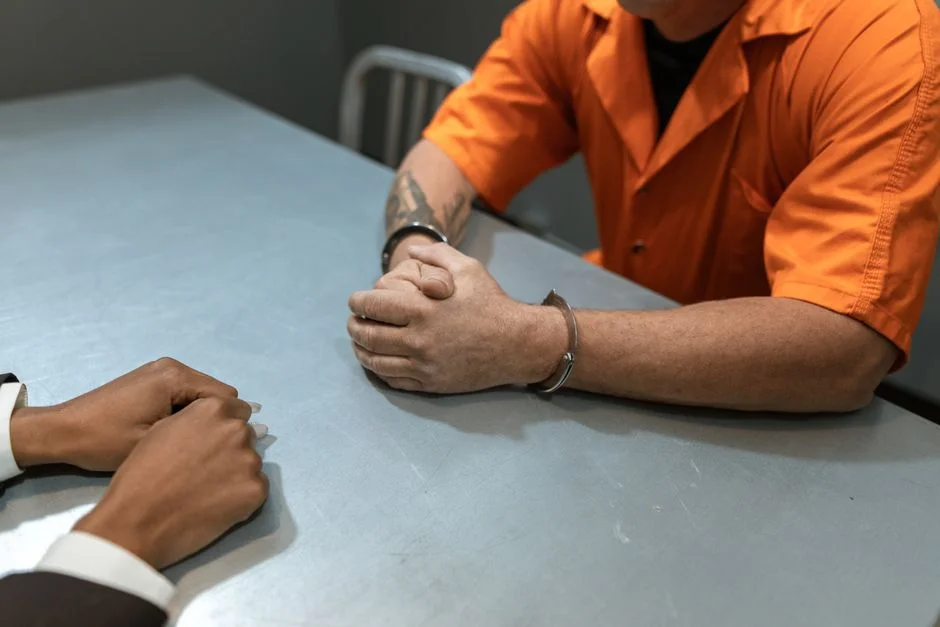
Malian security forces have rescued three Nigerian women from a brutal sex slavery ring operating in Bamako. The women, identified as Becky, Blessing, and a third survivor, were found in deplorable conditions after a coordinated raid on a residential compound. This rescue highlights the growing vulnerability of West African migrants facing exploitation in neighboring countries.
The Rescue Operation in Bamako
The operation took place in a densely populated district of Bamako, the capital of Mali. Police units moved in swiftly to minimize panic and secure the three Nigerian nationals. Authorities confirmed the identities of the women as Becky, Blessing, and another survivor who preferred to keep her name private. The raid was triggered by anonymous tips from local community leaders who noticed unusual movements of women in and out of the compound.
Investigators discovered that the women had been held against their will for several months. They were subjected to physical abuse and forced labor within the sex industry. The conditions were described as harrowing, with limited access to food and basic hygiene. This case is not an isolated incident but part of a broader pattern of exploitation targeting West African migrants. The Malian Ministry of Justice has taken immediate custody of the suspects involved in the trafficking ring.
Stories of Exploitation: Becky and Blessing
Becky, one of the rescued women, shared her harrowing journey to Mali. She was lured with promises of high-paying jobs in the hospitality sector. Upon arrival, her passport was confiscated, and she was forced into debt bondage. Her story reflects the desperate measures many Nigerian women take to escape economic hardship at home. The lack of reliable information about employment opportunities abroad makes them easy targets for traffickers.
Blessing’s experience was similarly traumatic. She was recruited through a social media platform where a recruiter posed as a successful businesswoman. The recruiter used emotional appeals and financial incentives to convince Blessing to travel. Once in Bamako, Blessing found herself in a labyrinth of deception and coercion. Her testimony has been crucial in building the case against the trafficking syndicate. These personal accounts humanize the statistics and reveal the psychological toll on the victims.
Psychological Impact on Survivors
The psychological scars left by such exploitation are often deeper than the physical ones. Survivors like Becky and Blessing suffer from post-traumatic stress disorder and anxiety. They face the daunting task of reintegrating into society while dealing with stigma and shame. Mental health support is critical for their recovery, yet it remains a scarce resource in many West African communities. The Nigerian embassy in Mali has stepped in to provide initial counseling and logistical support for the women.
The Role of Vanguard News in Exposing the Crisis
Vanguard News has played a pivotal role in bringing this story to light. Their investigative reporting has shed light on the systemic failures that allow trafficking networks to thrive. The newspaper’s coverage has sparked public outrage and pressured authorities to act swiftly. This case underscores the importance of media scrutiny in holding institutions accountable. The Vanguard News impact on Nigeria is evident in how their reporting influences public opinion and policy discussions.
The detailed accounts published by Vanguard News have helped demystify the journey of these women. They have provided a platform for survivors to speak out and share their stories. This transparency is essential for building awareness and preventing future cases. The media’s role extends beyond reporting; it acts as a watchdog that ensures justice is served. The Vanguard News explained the complexities of the trafficking route from Lagos to Bamako, offering readers a clearer understanding of the issue.
Economic Drivers of Migration and Exploitation
The root cause of this crisis lies in the economic disparities between Nigeria and Mali. Many Nigerian women migrate in search of better economic opportunities. The allure of higher wages and a more stable currency drives them to take risks. However, the lack of formal employment channels leaves them vulnerable to exploitation. The Nigerian economy’s current state, characterized by inflation and unemployment, pushes more women to seek work abroad. This economic pressure creates a perfect storm for traffickers to exploit.
The sex industry in Bamako has become a lucrative market for traffickers. They target women from Nigeria, Ghana, and other West African countries. The profit margins are high, and the risks are relatively low due to weak enforcement of labor laws. This economic incentive fuels the continuous flow of women into the region. Addressing the economic drivers is crucial for reducing the number of women falling prey to traffickers. Governments must create viable employment opportunities to reduce the push factors.
Community Response and Local Impact
The news of the rescue has resonated deeply within Nigerian communities in Mali. Local associations have organized rallies to demand better protection for their compatriots. Community leaders are calling for stricter vetting processes for recruiters and employers. The solidarity shown by the diaspora is a powerful force in advocating for change. These grassroots movements are essential in filling the gaps left by governmental actions. The Nigerian community in Bamako is mobilizing resources to support the survivors and their families.
Families back home in Nigeria are also reacting with a mix of relief and anxiety. The rescue of Becky and Blessing brings hope but also raises questions about the safety of other migrants. Parents are urging their daughters to be more cautious when accepting job offers abroad. Community centers in Lagos and Abuja are hosting seminars to educate potential migrants about the risks. This community-led approach is vital for creating a safety net for Nigerian women traveling to Mali.
Legal Challenges and the Path to Justice
The legal process in Mali presents several challenges for the survivors. Language barriers and unfamiliarity with the legal system can hinder their ability to testify effectively. The Nigerian government is working closely with Malian authorities to ensure a fair trial. Legal aid organizations are providing representation to the women to navigate the complex judicial landscape. The outcome of this case will set a precedent for future prosecutions of trafficking rings in the region. It will also influence bilateral agreements between Nigeria and Mali on migrant rights.
One of the key issues is the repatriation of the survivors. While some wish to return home immediately, others fear stigma and prefer to stay in Mali. The government must respect their choices and provide tailored support. The legal framework needs to be strengthened to protect the rights of migrant workers. This includes ensuring that their voices are heard in court and that their testimonies are given due weight. The justice system must be both punitive and restorative to address the multifaceted nature of the crime.
What to Watch Next
The coming weeks will be critical in determining the fate of the suspects and the survivors. The Malian court is expected to announce the preliminary charges against the trafficking ring by next month. Nigerian officials are also planning a visit to Bamako to monitor the progress of the case. This diplomatic engagement is a sign of the growing importance of the issue in bilateral relations. Citizens should keep an eye on official statements from the Nigerian Ministry of Foreign Affairs for updates. The resolution of this case could lead to broader policy changes affecting Nigerian migrants in West Africa.
See Also
- Nigeria Exposes Billions Allocated for Development: But Where Are the Results?
- Nigeria Forces Repatriation of Citizens in South Africa
Community Response and Local Impact The news of the rescue has resonated deeply within Nigerian communities in Mali. What to Watch Next The coming weeks will be critical in determining the fate of the suspects and the survivors.
What is the latest news about malian police rescue 3 nigerian women from brutal sex slavery in bamako?
Why does this matter for health-medicine?
What are the key facts about malian police rescue 3 nigerian women from brutal sex slavery in bamako?