Heads of West African National Central Bureaus convened in Abuja this week for a high-level meeting focused on strengthening cross-border crime-fighting cooperation across the region. The gathering brought together senior INTERPOL officials from multiple member nations to address shared security threats affecting communities from Senegal to Nigeria. Officials announced plans to expand intelligence-sharing protocols and joint operational frameworks designed to tackle organized crime networks that operate across national boundaries.
Regional Security Takes Centre Stage
The two-day meeting reflected growing concerns among West African governments about the interconnected nature of modern criminal enterprises. Trafficking rings, cyber fraud operations, and organized robbery networks increasingly exploit gaps between national law enforcement agencies. INTERPOL's regional structure relies on National Central Bureaus in each member country serving as coordination hubs for cross-border investigations. The Abuja summit represented the first major gathering of bureau heads from the region since new leadership took positions at INTERPOL's General Secretariat in Lyon.
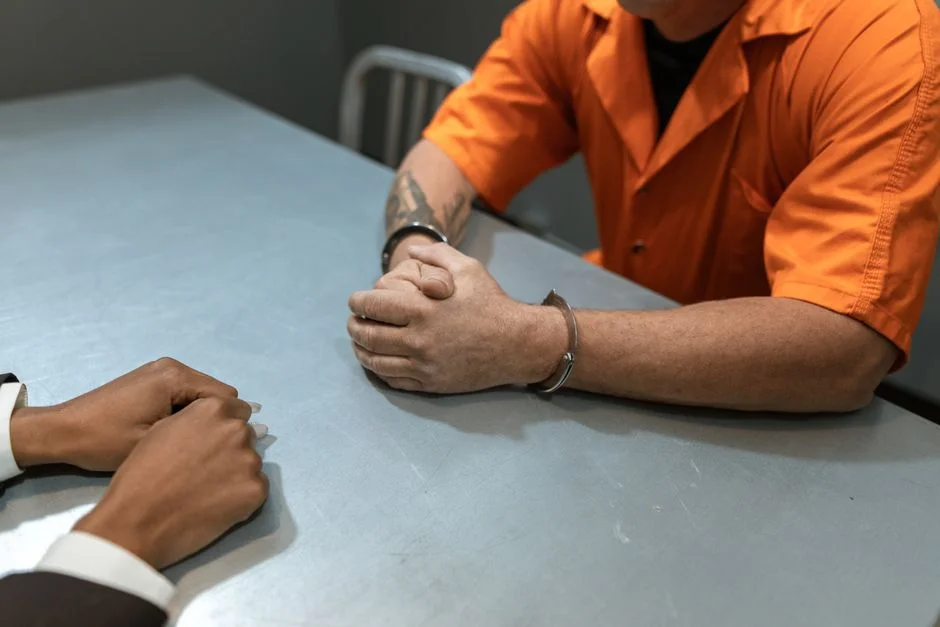
Senior officers attending the meeting included representatives from Nigeria, Ghana, Senegal, Côte d'Ivoire, and seven other West African nations. Vanguard News reported that delegates spent considerable time reviewing existing cooperation mechanisms and identifying specific gaps where information exchange remained slow or inconsistent. The frequency of cross-border crime incidents has increased substantially over the past three years, according to data discussed during closed sessions.
Operational Priorities for 2025
Delegates agreed on a package of measures aimed at accelerating real-time intelligence sharing between member bureaus. Standardized reporting formats will replace the varying systems currently used across different countries, a move officials believe will reduce delays in alerting neighbouring nations about emerging threats. Joint task force protocols were also updated to allow faster deployment of resources when criminal activity spans multiple jurisdictions.
The summit identified three priority areas for the coming year: wildlife and environmental crime, currency counterfeiting, and maritime piracy affecting Gulf of Guinea states. Each priority received a dedicated working group tasked with developing specific operational plans before the next regional meeting. Funding commitments from member governments will support the expanded coordination structure, though exact figures were not publicly disclosed.
Technology and Training Investments
A significant portion of discussions centred on upgrading technical capabilities at National Central Bureaus across the region. Several offices currently lack the database access or secure communication infrastructure needed for effective real-time cooperation. The summit approved a technology upgrade programme that will see newer crime analysis software distributed to participating nations over the next eighteen months. Training schedules were also finalized for mid-level officers who serve as primary contacts between neighbouring bureaus.
Nigerian law enforcement agencies stood to benefit from the upgraded systems, given the country's size and its role as a regional transit point for multiple criminal networks. INTERPOL's Abuja-based regional bureau has handled an increasing caseload over recent years, reflecting both improved detection capabilities and the growing sophistication of criminal operations.
Impact on Nigerian Communities
For ordinary citizens across Nigeria, stronger regional cooperation directly affects the speed and effectiveness of responses to crime. When criminal suspects cross borders, delays in alerting neighbouring countries often allow them to disappear into unfamiliar territories. Faster intelligence exchange means security agencies can request immediate assistance rather than navigating lengthy diplomatic channels. Communities near international borders stand to benefit most from the streamlined coordination.
The summit also addressed practical challenges that affect local investigations, including evidence handling procedures that meet international standards. Cases involving suspects arrested in multiple countries often face legal complications when evidence collection methods differ. Standardized procedures agreed in Abuja should reduce such complications and support successful prosecutions.
What Happens Next
Working groups established during the summit will meet quarterly to monitor implementation progress. A full regional review is scheduled for the first quarter of next year, when bureau heads will assess whether the new protocols have achieved measurable improvements in cooperation speed. Member nations submitted action plans outlining specific steps they will take domestically to support the regional framework.
Security analysts will be watching closely to see whether the commitments translate into tangible operational improvements. Previous regional cooperation agreements have sometimes struggled with inconsistent implementation across different national contexts. The effectiveness of the Abuja agreements will ultimately depend on political will at the national level and adequate resourcing of National Central Bureaus throughout West Africa.
See Also
- Africa Check Faces Criticism Over Israel Neutrality Stance
- Renowned Portuguese Fadista Carlos Macedo Dies - A Loss for Cultural Heritage
INTERPOL's Abuja-based regional bureau has handled an increasing caseload over recent years, reflecting both improved detection capabilities and the growing sophistication of criminal operations.Impact on Nigerian CommunitiesFor ordinary citizens across Nigeria, stronger regional cooperation directly affects the speed and effectiveness of responses to crime. The summit approved a technology upgrade programme that will see newer crime analysis software distributed to participating nations over the next eighteen months.
What is the latest news about interpol chiefs pledge tighter crime cooperation at abuja summit?
Why does this matter for health-medicine?
What are the key facts about interpol chiefs pledge tighter crime cooperation at abuja summit?