China's recent announcement to eliminate tariffs on over 1,000 goods has triggered a wave of concern among African nations, particularly Nigeria, as local markets brace for significant changes. This policy, aimed at boosting trade with Africa, may reshape economic dynamics as it unfolds on January 1, 2024.
China's Strategic Shift in Trade Policy
On October 5, 2023, China confirmed its decision to reduce tariffs for numerous products, including agricultural and mechanical goods. This move is part of China's broader strategy to solidify its economic ties with African countries, aiming to enhance trade volumes significantly. By eliminating tariffs, China hopes to increase bilateral trade with Africa from $220 billion to $300 billion by 2025.
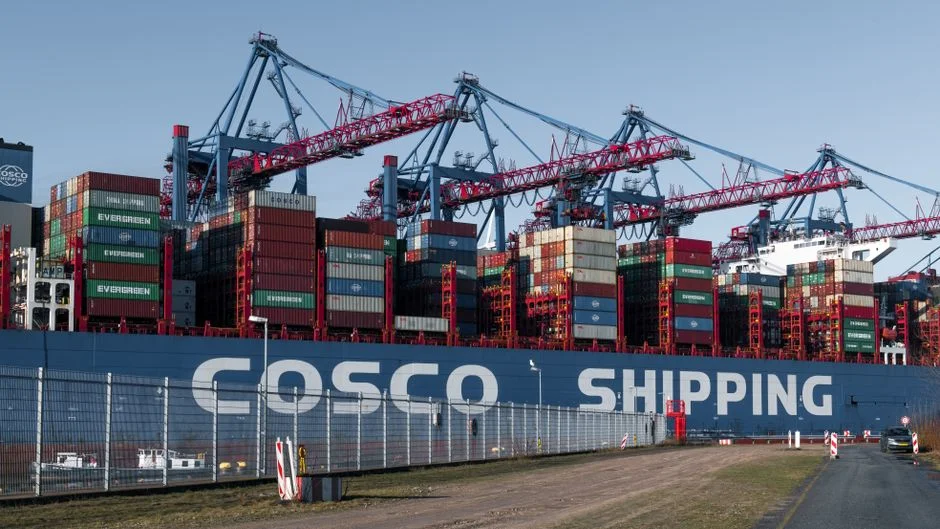
This policy change comes as China seeks to counterbalance the impact of declining global demand for its exports. As a major trading partner for several African countries, including Nigeria, the implications of this strategy will be felt on multiple levels.
Nigeria's Economic Landscape at Risk
For Nigeria, the ramifications of China's zero tariff policy could be profound. Local industries, already struggling amidst supply chain disruptions and currency depreciation, face heightened competition from cheaper Chinese imports. Experts at the Nigerian Economic Summit Group warn that this could further undermine domestic manufacturing.
Local manufacturers in sectors such as textiles, electronics, and food processing could see a significant downturn as they struggle to compete with the influx of low-cost products. This might force some small businesses to close, potentially increasing unemployment in regions heavily reliant on manufacturing.
The Agricultural Sector and Food Prices
The agricultural sector in Nigeria is particularly vulnerable to this new trade environment. China’s zero tariffs may lead to an influx of cheaper agricultural products, potentially flooding the Nigerian market. Farmers, especially those producing staples such as rice and maize, may find themselves unable to compete with imported goods.
In a recent statement, Alhaji Abdullahi Adamu, the Minister of Agriculture, noted that local farmers could suffer losses exceeding 30% if they cannot adapt quickly to the new competition. This could have a cascading effect on food prices, which have already been volatile due to inflationary pressures.
Community Responses and Adaptation Strategies
Nigerians are already responding to these anticipated changes. Smallholder farmers and local businesses are exploring strategies to improve competitiveness, such as diversifying crops and seeking government support to enhance production capabilities. Community leaders in regions like Kano are advocating for increased investment in local agricultural technology to boost yield and quality.
Moreover, local trade associations are calling on the Nigerian government to negotiate for protective measures or subsidies that could shield local businesses from the expected influx of cheaper imports. These measures are crucial for maintaining economic stability in vulnerable communities.
Future of Trade Relations: What to Watch
As the January deadline approaches, stakeholders across Nigeria's economic landscape will be keenly observing the unfolding situation. The government is expected to hold discussions focused on how to mitigate the adverse effects of China’s policy and strengthen local industries.
Looking ahead, the key will be whether Nigeria can leverage its relationships with China to negotiate terms that protect its domestic market while still benefitting from increased trade. The upcoming summit between African nations and Chinese officials in Beijing next month will be a critical moment for setting the tone of these discussions.
Abalone of Change for Local Economies
This policy shift by China may usher in a new era for African economies, particularly Nigeria, which finds itself at a crossroads. While opportunities for cheaper imports could benefit consumers, the potential risks to local industries and employment remain a pressing concern.
As the situation develops, citizens and local leaders will need to remain proactive, advocating for policies that balance the benefits of international trade with the need to protect and empower local economies.
See Also
- SBI Launches $500 Million Social Loan to Empower Women — A Game Changer for Africa
- Explosives Detonate in New York: What It Means for Nigeria’s Security Landscape
While opportunities for cheaper imports could benefit consumers, the potential risks to local industries and employment remain a pressing concern.As the situation develops, citizens and local leaders will need to remain proactive, advocating for policies that balance the benefits of international trade with the need to protect and empower local economies. Farmers, especially those producing staples such as rice and maize, may find themselves unable to compete with imported goods.In a recent statement, Alhaji Abdullahi Adamu, the Minister of Agriculture, noted that local farmers could suffer losses exceeding 30% if they cannot adapt quickly to the new competition.
What is the latest news about chinas zero tariff policy disrupts african markets what this means for nigeria?
Why does this matter for economy-business?
What are the key facts about chinas zero tariff policy disrupts african markets what this means for nigeria?