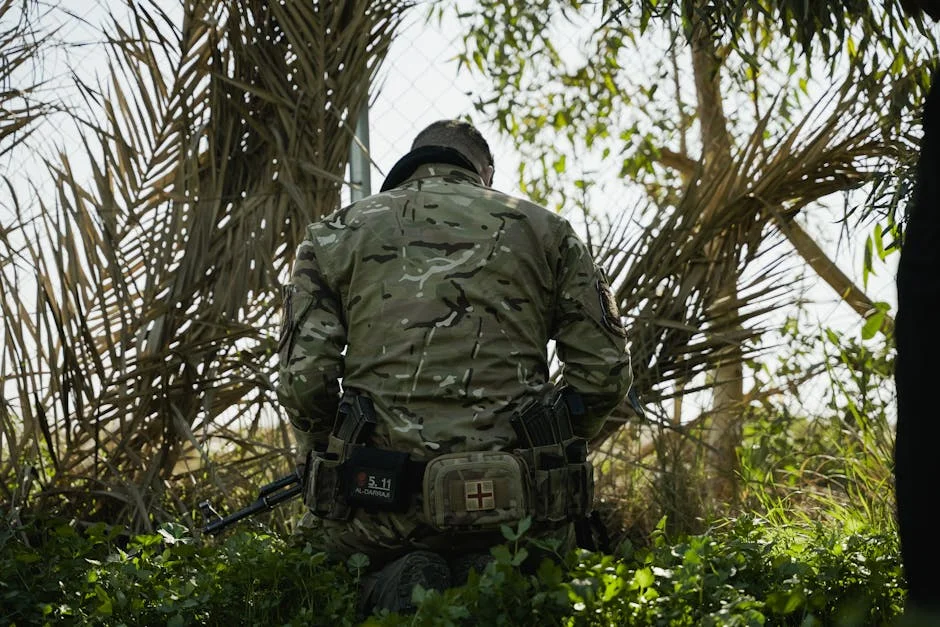
Air Marshal Kelvin Aneke, the Chief of Air Staff, has announced a decisive strategy to eliminate terrorists and kidnappers across Nigeria. In a recent address in Abuja, he affirmed that the Air Force will no longer allow sanctuary for criminals, intensifying efforts to protect citizens from escalating violence. This commitment comes as the nation grapples with persistent security challenges, particularly in the northern regions.
Heightened Military Operations in Northern Nigeria
The Air Force's aggressive approach includes increased aerial surveillance and intelligence gathering to thwart imminent attacks. Aneke stated that air operations would target identified hotspots, especially in states like Kaduna and Borno, where kidnappings and terrorist activities have surged. These operations are critical as the Nigerian government seeks to stabilise these areas plagued by insecurity.

Current reports indicate that over 1,200 kidnapping incidents occurred across Nigeria in the last year, affecting countless families and disrupting daily life. The Air Force's planned actions promise to provide some reassurance to communities enduring fear and uncertainty as they face the threats posed by armed groups.
Community Support for the Air Force
Local communities have expressed support for the Air Force's new directive. Citizens in affected regions are eager for any measures that may restore safety and peace. Many residents have called for continued collaboration between the military and local vigilante groups to enhance security on the ground.
In Kaduna, for instance, community leaders have voiced their commitment to assist military operations by sharing local intelligence. This partnership aims to create a more cohesive effort in tackling the rising crime rates and ensuring the safety of citizens.
Challenges Faced by the Air Force
Despite the Air Force's commitment, challenges persist. Limited resources and the vastness of the terrain make it difficult to monitor all areas effectively. Aneke admitted that logistical issues, including inadequate funding and aging equipment, hinder operational efficiency. However, he assured the public that efforts are underway to secure necessary resources to support the Air Force's mandate.
Additionally, the terrain in northern Nigeria, rife with forests and mountains, complicates operations, making air surveillance crucial yet challenging. This difficult landscape can provide cover for criminal activities, stressing the importance of maintaining a proactive military presence.
Potential Economic Impacts
The escalated military efforts could have ripple effects on the local economy. Increased security might restore confidence among business owners, encouraging investment and economic activity in regions that have suffered from insecurity. Aneke's announcements have prompted optimism in certain sectors, especially among agricultural producers whose supply chains have been disrupted by kidnappings.
If the Air Force succeeds in curbing violence, regions like Borno, which heavily depend on agriculture, may see a revival in productivity and trade, ultimately benefiting local communities.
What to Expect Next
As the Air Force ramps up operations, citizens are advised to remain vigilant and cooperate with military efforts. Aneke has urged communities to report suspicious activities, fostering a collaborative environment to ensure safety. Local leaders have begun organising town hall meetings to discuss security protocols and the role citizens can play in supporting the Air Force's initiatives.
Looking ahead, the Air Force plans to implement regular updates on their progress, promising transparency in operations. Residents are encouraged to stay informed about upcoming military initiatives and community safety programmes, which will be essential in returning stability to the affected regions.
See Also
- Nigeria Bans Addictive Design Practices — and Tech Workers Are Fuming
- Anthony Albanese’s Budget Messaging Struggles to Resonate with Citizens
This difficult landscape can provide cover for criminal activities, stressing the importance of maintaining a proactive military presence.Potential Economic ImpactsThe escalated military efforts could have ripple effects on the local economy. Limited resources and the vastness of the terrain make it difficult to monitor all areas effectively.