Senate President Goddy Akpabio declared on Tuesday that kidnappers and terrorists operating across Nigeria are targeting the nation itself, not any political party or faction. The statement came during a Senate session addressing mounting security concerns that have gripped communities from Katsina to Bayelsa.
The warning directly contradicts growing speculation that recent attacks were politically motivated, suggesting instead that criminal networks pose a broader existential threat to the country. Akpabio directed the Senate to treat security matters as a national priority rather than a partisan issue.
Akpabio Addresses Senate on Security Threat

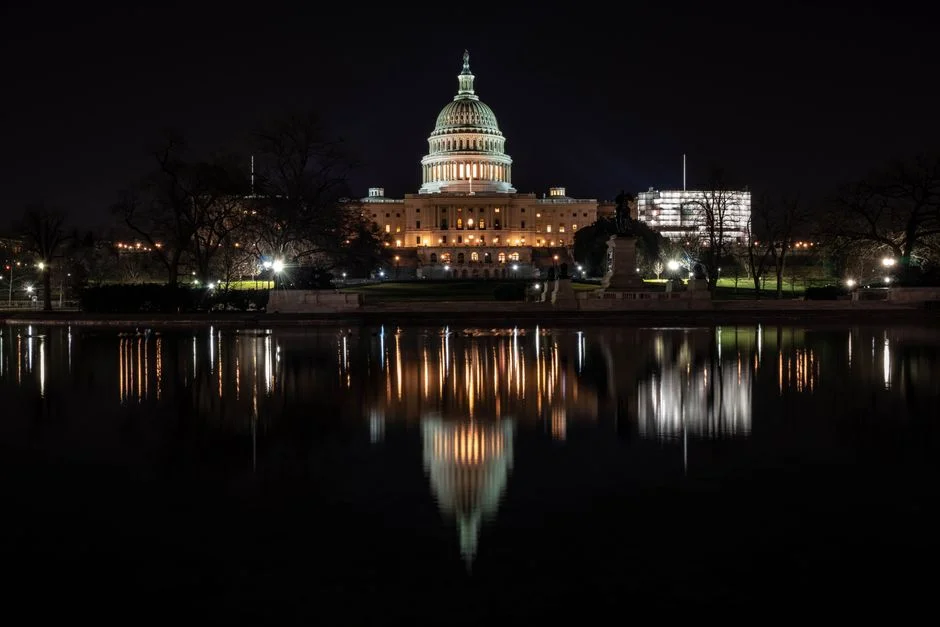
Goddy Akpabio made the declaration during an emergency Senate session convened to discuss the deteriorating security situation in multiple states. Speaking from the National Assembly in Abuja, the Senate President emphasised that intelligence reports confirm organised criminal groups view Nigeria as their target, not individual political actors.
The session followed violent incidents in several northern and southern states that local authorities linked to banditry and terrorism networks. Akpabio stated that security agencies had briefed the Senate on the scale and scope of these threats.
Political Parties Not the Target
Critics and observers had speculated that recent kidnappings and attacks might be connected to political rivalries ahead of upcoming elections. Akpabio dismissed these claims, asserting that criminal elements operate without regard for party affiliation. He noted that victims have come from all political backgrounds and regions.
The Senate President pointed to evidence showing that terrorist groups coordinate activities across state lines, suggesting a national strategy rather than localised political violence. This assessment aligns with briefings from the Nigerian military and police authorities.
Makinde Weighs In on National Security
Oyo State Governor Seyi Makinde, speaking separately, backed the Senate President's assessment. Makinde, whose state has experienced security challenges, stressed that governors from both ruling and opposition parties had expressed concerns about the same threats.
The governor told reporters that citizens across Nigeria, regardless of political persuasion, face identical dangers from criminal networks. Makinde called for unity among political leaders in confronting what he described as a shared enemy.
Impact on Communities Across Nigeria
For ordinary citizens, the distinction matters practically. Families in states like Niger, Zamfara, and Kaduna have endured kidnappings for ransom and terrorist attacks that disrupt daily life and local economies. Markets close early, children miss school, and businesses relocate or shut down entirely.
Local communities report that fear of attack has altered routines in rural areas, where residents now avoid travelling after dark. Farmers in particular have abandoned fields due to security risks, contributing to food shortages in some regions.
Security Agencies Under Pressure
The Nigerian military and police have faced criticism for their response to these threats. Senator Ali Ndume from Borno State warned during the session that current resources and strategies remain insufficient. He called for increased funding and deployment to hotspot areas.
Security analysts note that terrorist groups have adapted tactics, making traditional military approaches less effective. The Senate directed relevant committees to review existing security frameworks and report within 30 days.
What Comes Next
The Senate has instructed the Ministry of Defence and the Nigeria Police Force to present a comprehensive security plan before the end of the current session. Akpabio stressed that lawmakers from all parties must support whatever measures emerge, warning that partisan delays cost lives.
Citizens should monitor upcoming committee hearings and budget allocations for security. The real test will be whether coordinated action follows the rhetoric. Communities from Sokoto to Lagos will be watching closely to see whether Tuesday's declarations translate into tangible improvements on the ground.
See Also
- Insecurity: Matawalle, CDS, Other Service Chiefs To Storm Sokoto
- Public Officials Main Culprits of Large-Scale Corruption in West Africa – GIABA
Makinde called for unity among political leaders in confronting what he described as a shared enemy.Impact on Communities Across NigeriaFor ordinary citizens, the distinction matters practically. Farmers in particular have abandoned fields due to security risks, contributing to food shortages in some regions.Security Agencies Under PressureThe Nigerian military and police have faced criticism for their response to these threats.
What is the latest news about akpabio warns kidnappers terrorists target nigeria not political parties?
Why does this matter for politics-governance?
What are the key facts about akpabio warns kidnappers terrorists target nigeria not political parties?