The World Meteorological Organization confirmed in June that El Niño has arrived, marking a decisive shift from the neutral conditions that have dominated recent years. The announcement sets the stage for weather disruptions that will reach Nigeria within months, potentially devastating agricultural communities already struggling with food insecurity.
The Science Behind the Alert
El Niño is a warming of the central and eastern Pacific Ocean that disrupts normal atmospheric circulation patterns. For West Africa, the consequences are well documented: the rain-bearing systems that sustain millions of smallholder farmers shift or weaken, cutting the volume of rainfall that typically arrives between May and October.
Current monitoring shows sea surface temperatures in the Pacific running 1.5 degrees Celsius above the long-term average. That figure crosses the threshold meteorologists use to classify an El Niño event as significant. The pattern typically strengthens through August and September before gradually weakening in the first quarter of the following year.
How El Niño Reaches Nigeria
The connection between the Pacific and Nigeria runs through atmospheric pressure systems thousands of kilometres away. When Pacific waters warm, it alters the position of the jet stream and disrupts the normal progression of the rainy season across West Africa. The impact on Nigeria is not uniform, but the northern and middle-belt regions — home to the country's most productive rain-fed farmland — bear the heaviest burden.
The Nigerian Meteorological Agency has already published seasonal forecasts indicating irregular and reduced rainfall through the August-September period. Those projections align with historical patterns during previous El Niño events. The last strong episode, in 2015-2016, contributed to drought conditions that reduced maize and sorghum yields in Nigeria's northern states by measurable margins.
Impact on Nigerian Farms
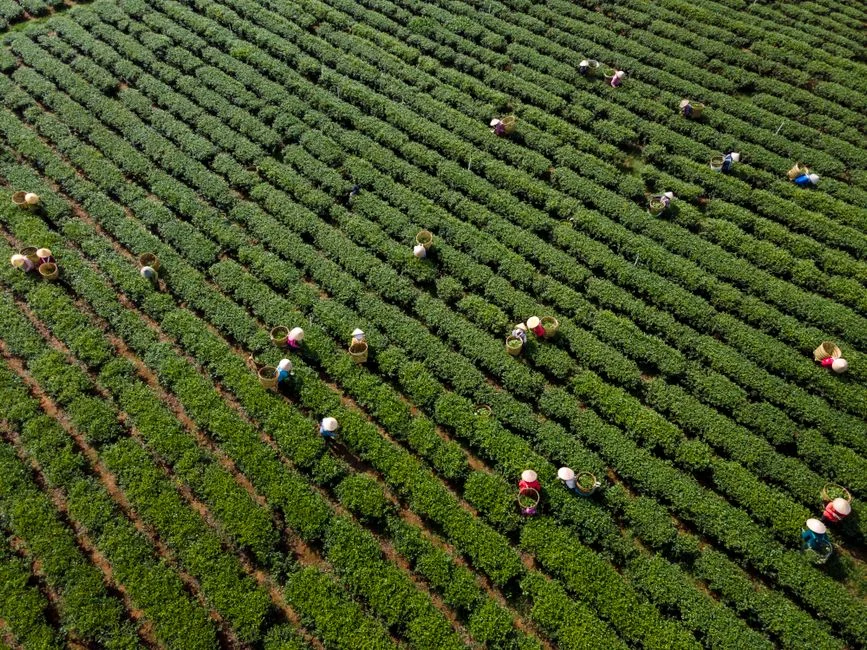
The planting calendar for Nigeria's main crops begins in earnest this month. Groundnuts, millet, sorghum, and maize all require consistent rainfall through the growing season. If El Niño delays the onset or reduces total precipitation, farmers who plant based on historical patterns face the risk of crop failure.
Farming communities in Benue, Niger, Kano, and Kaduna states produce a disproportionate share of Nigeria's grain output. Research from Ahmadu Bello University puts the combined contribution of these regions above 60 percent for certain staple crops. A sustained reduction in rainfall during the growing season would directly cut into household incomes and national food supply simultaneously.
"The timing of El Niño matters enormously," said Professor David Oluwafemi, a climate specialist at Ahmadu Bello University. "When rains arrive late or fail to materialize, crops planted in expectation of adequate moisture simply wither. This is a food security issue that affects all Nigerians, not just farmers."
Food Prices and the Broader Economy
Nigeria's agrifood sector accounts for roughly 25 percent of national GDP and employs a significant portion of the workforce. Widespread crop failure would ripple through supply chains, pushing prices for maize, rice, and sorghum higher in markets from Lagos to Kano.
The World Food Programme reported in its most recent assessment that 26.5 million Nigerians already face acute food insecurity. A poor harvest driven by El Niño would almost certainly increase that figure.
Beyond Drought: The Flooding Risk
El Niño does not always mean dry conditions everywhere. In some configurations, the disrupted weather patterns bring erratic, intense rainfall after prolonged dry spells. This creates a secondary hazard: flash flooding that can destroy crops, property, and lives in a matter of hours.
Lagos, Nigeria's largest city, sits in a zone where concentrated rainfall events have historically overwhelmed drainage infrastructure. The city's drainage system struggles with the volume of runoff from normal storms; an extreme rainfall event triggered by El Niño would test that system beyond its design limits.
Government Response Under Scrutiny
The Federal Ministry of Agriculture and Rural Development acknowledged the situation in a statement last week, noting that contingency planning is underway. The statement did not provide specific details about what measures would be activated or when.
NEMA has reportedly begun coordinating with state-level emergency management agencies, though visible preparations on the ground remain limited. The National Emergency Management Agency has not issued a public alert to citizens as of this reporting date.
The most immediate concern lies with vulnerable populations already at risk. Internally displaced persons camps in the northeast, home to thousands of people who rely on humanitarian assistance for food, face a heightened threat if supply chains are disrupted by extreme weather either in the region or along transportation routes.
What Comes Next
The UN Secretary-General has called on wealthy nations to mobilize climate finance for vulnerable countries facing El Niño impacts. Nigeria has not yet formally requested international assistance, though the window for precautionary measures narrows as the season progresses.
August marks the critical period when El Niño's influence on West African rainfall typically becomes most pronounced. Nigerian authorities will need to decide whether to release grain from the Strategic Reserve, activate national drought monitoring protocols, and issue clear guidance to farming communities about adjusting planting schedules.
The choices made in the coming weeks will determine whether Nigeria weathers this episode with manageable disruption or faces a food security crisis that reaches into urban markets and dining tables across the country.
See Also
- South Africa Shatters EV Charging Record — What Nigeria Must Watch
- Former Indian Army Chief Reveals US Offer During 1988 Operation Cactus: Key Insights