The African Union announced a major $4.5 billion initiative on May 29, 2026, aimed at accelerating renewable energy projects across the continent. This development is set to reshape energy access in Nigeria and beyond, prompting local leaders and businesses to respond swiftly to the anticipated changes.
Nigeria's Energy Landscape Under Pressure
As one of the largest economies in Africa, Nigeria finds itself at a critical juncture. The country, which faces frequent power supply challenges, has the potential to benefit significantly from the African Union's investment in renewable energy. With 60% of its population lacking reliable electricity, the urgency to transition to sustainable energy sources is paramount.
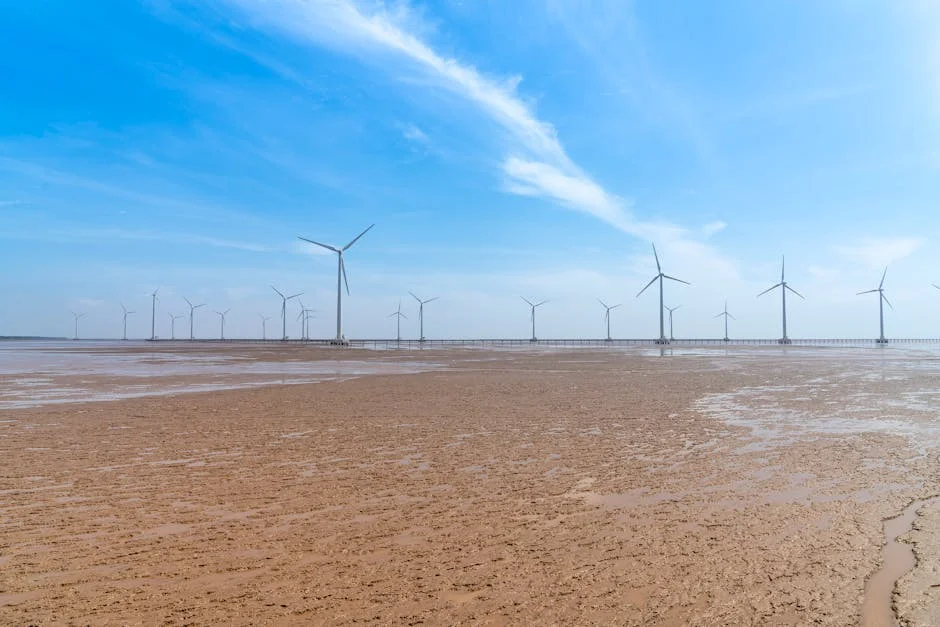
The initiative, announced during a summit in Addis Ababa, Ethiopia, aims to generate approximately 15,000 megawatts of clean energy by 2030. This could drastically reduce Nigeria's reliance on fossil fuels, which currently account for over 70% of its energy consumption, according to the Nigerian National Petroleum Corporation (NNPC).
Community Responses and Local Economies
Local communities across Nigeria are already discussing the implications of this initiative. In states like Lagos and Rivers, business owners are expressing cautious optimism. The prospect of increased power supply could stimulate local industries, creating jobs and boosting the economy.
Oluwaseun Akintoye, a business owner in Lagos, stated, "If the power situation improves, we can expand our operations and hire more staff, which is essential for our growth." Such sentiments reflect the hope tied to the African Union’s commitment to enhance energy infrastructure.
Government Readiness and Challenges Ahead
The Nigerian government has acknowledged the need to align its policies with the goals of the African Union initiative. Energy Minister Abubakar Aliyu indicated plans for partnerships with private firms to exploit potential funding. However, he also mentioned systemic issues that could hinder progress.
"We must confront challenges such as regulatory frameworks and outdated infrastructure," Aliyu explained during a recent press conference. With the success of this initiative depending on effective implementation, stakeholders are bracing for potential hurdles.
Investment Opportunities and Future Prospects
The announcement has sparked interest from international investors eager to tap into Nigeria’s energy market. Reports suggest that firms from China, Germany, and the US are eyeing partnerships for solar and wind energy projects.
Investment in renewable energy is not only essential for environmental sustainability but also vital for economic resilience. According to the World Bank, Nigeria could save up to $500 million annually by shifting to renewables, which could lead to redirected funds for healthcare or education.
The Broader African Context
As Nigeria reflects on these developments, neighbouring countries are also preparing to take action. The African Union's initiative is viewed as a potential blueprint for regional cooperation in fighting climate change and achieving energy independence.
In Kenya, for instance, similar investments are expected to roll out, addressing electricity shortages and creating opportunities for innovation in green technologies.
Looking Ahead: What’s Next for Nigeria?
As the African Union’s renewable energy initiative progresses, Nigerians will be watching closely. The next steps involve key government meetings set for June 2026, where strategies for implementation will be discussed. Local stakeholders and citizens alike are keen to see how these plans will translate into tangible benefits, such as improved power supply and economic development.
The coming months will be crucial as Nigeria navigates this path toward a more sustainable energy future, with local communities poised to play a central role in this transition.
See Also
- Faisal Withdraws as Nasarawa's IGP Adamu Kicks Off Controversy
- Sudan Army Claims Victory in Bara: Over 50 Dead Amid Renewed Clashes