The Nigerian Senate passed a motion directing the Federal Ministry of Health to integrate electronic health services across all federal government hospitals in the country. Senator Orji Uzor Kalu championed the proposal, citing delays in patient records management and the need for modernised healthcare delivery systems that can serve Nigeria's growing population more effectively.
The motion, which drew support from senators across party lines, calls for a comprehensive digital transformation of hospital operations. Vanguard News reported that the initiative aims to address longstanding challenges including lost medical records, prolonged patient waiting times, and poor coordination between healthcare facilities.
What the Senate Motion Requires
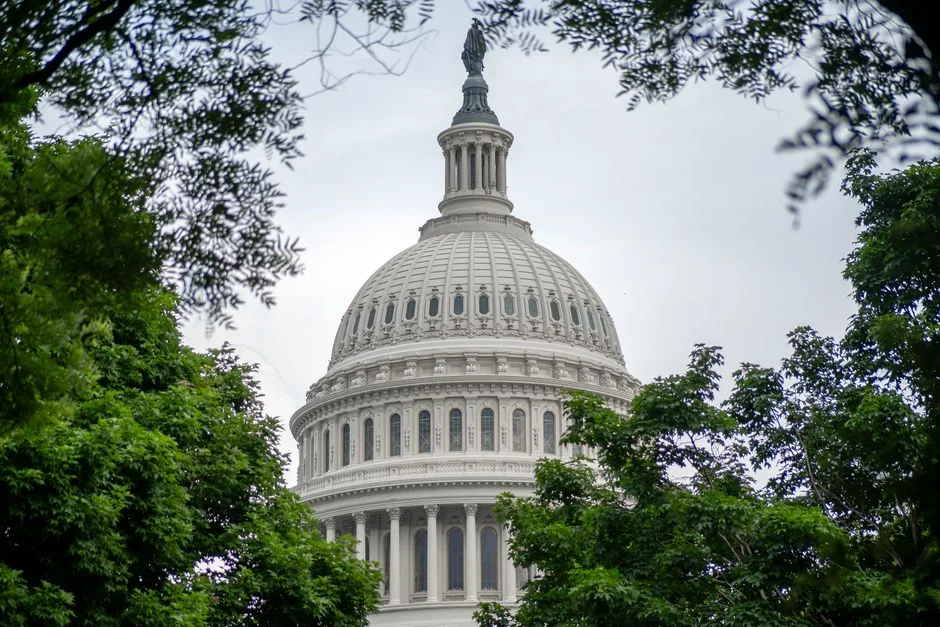
The directive instructs the Ministry of Health to develop a framework for implementing e-health systems within six months. This framework must cover electronic medical records, appointment scheduling, telemedicine consultations, and pharmacy management. Senators argued that the absence of standardised digital systems has created gaps in healthcare delivery, particularly for patients who move between different hospitals.
Senator Kalu told reporters that manual record-keeping has repeatedly endangered patient safety. He pointed to cases where patients arriving at emergency units could not access their medical histories because records were either unavailable or stored at different facilities. The Senate resolution demands that every federal hospital establishes a interoperable digital platform capable of sharing patient information securely across the national healthcare network.
Current State of Hospital Digitalisation in Nigeria
Nigeria's public hospitals have struggled with digitalisation for years. A 2023 assessment by the Healthcare Federation of Nigeria found that fewer than 30 percent of federal hospitals operate fully electronic patient management systems. Most facilities still rely on paper-based records, which health workers say are prone to damage, loss, and unauthorised alterations.
In Abuja, several tertiary hospitals have introduced isolated digital services such as online appointment portals and laboratory result notifications. However, these systems operate independently and do not communicate with each other. Patients seeking treatment at multiple facilities must undergo duplicate tests because doctors cannot access previous results electronically.
Private Sector Progress and Public Sector Lag
Private hospitals in Lagos, Port Harcourt, and Kano have outpaced public facilities in adopting digital tools. Several premium healthcare providers now offer fully integrated e-health platforms where patients can access their complete medical histories, book specialist consultations, and receive prescription refills through mobile applications. The Senate motion acknowledges this disparity and calls for standards that will raise public hospitals to comparable levels.
Health workers in public facilities have welcomed the initiative but raised concerns about infrastructure. Many federal hospitals experience regular power outages and inconsistent internet connectivity, which would undermine e-health systems without reliable backup solutions. The Senate resolution requires the Ministry of Power to ensure stable electricity supply to facilities implementing the new digital systems.
Funding and Implementation Challenges
The motion does not specify the budget allocated for the e-health rollout. Senator Kalu indicated that the Ministry of Health must present a detailed cost proposal to the National Assembly for approval. Estimates from health technology consultants suggest that equipping all federal hospitals with integrated e-health systems could require investments running into several billion naira.
Abuja-based health policy analyst Emeka Obi noted that successful implementation will depend on training thousands of healthcare workers to use new digital platforms. He told Vanguard News that technology acquisition alone will not transform healthcare delivery without adequate human capacity development. The Senate resolution addresses this by requiring the Ministry to incorporate digital literacy training into its implementation framework.
What Patients Can Expect
If implemented successfully, e-health integration would allow patients to carry electronic health cards containing their complete medical records. A doctor in Kano could access a patient's treatment history from a Lagos hospital within seconds, reducing the need for repeated diagnostics. Rural communities currently underserved by specialist doctors could benefit from telemedicine services connecting them with physicians in major cities.
Pharmacy management systems proposed under the motion would enable doctors to send prescriptions directly to affiliated chemists, reducing errors from illegible handwriting and eliminating occasions when patients leave hospitals without necessary medications. Senators cited examples where medication mistakes caused by poor record-keeping had resulted in preventable complications and deaths.
Timeline and Next Steps
The Ministry of Health has six months to develop and present its e-health implementation framework to the Senate Committee on Health. Committee chairman Senator Adamu Aliero stated that lawmakers will scrutinise the proposal rigorously before granting approval for full deployment. The ministry must demonstrate clear milestones and accountability mechanisms to ensure taxpayer funds deliver measurable improvements in patient care.
Pilot programmes are expected to launch at selected tertiary hospitals in Abuja and Lagos before nationwide expansion. Health authorities will assess these initial deployments to identify technical challenges and refine operational procedures. The Senate Committee on Health will receive quarterly progress reports throughout the implementation period.
Patients and healthcare advocates should monitor whether the Ministry of Health publishes its implementation framework for public review. The effectiveness of this initiative ultimately depends on whether digital systems reach beyond administrative offices to genuinely improve the experience of ordinary Nigerians seeking medical treatment at public hospitals.
See Also
- ANC Loses Majority — South Africa's Economic Future Hangs in the Balance
- HortiNigeria Upscales Capacity of Agro-Dealers on Input Management in Kaduna
Senator Kalu indicated that the Ministry of Health must present a detailed cost proposal to the National Assembly for approval. Estimates from health technology consultants suggest that equipping all federal hospitals with integrated e-health systems could require investments running into several billion naira.