African leaders have intensified their warnings about the detrimental impacts of climate change and rapid urbanisation on communities across the continent during the World Urban Forum held in Baku, Azerbaijan, from May 26 to June 1, 2023. The event, which attracted over 15,000 participants from around the globe, focused on critical discussions regarding sustainable urban development and the urgent need for environmental action.
Urgent Calls for Action on Climate Change
During the forum, African Union’s Commissioner for Infrastructure and Energy, Amani Abou-Zeid, emphasised that urban centres in Africa are particularly vulnerable to climate change, citing studies indicating that cities could experience temperature increases of up to 3 degrees Celsius by 2050. This alarming trend poses serious risks to food security, health, and overall livelihoods.
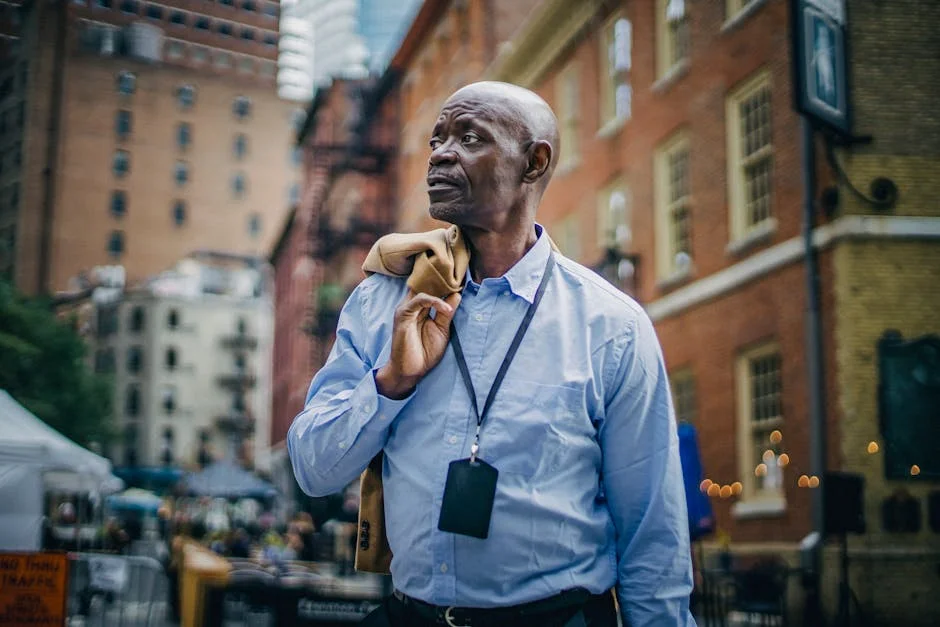
Abou-Zeid urged member states to take decisive action, highlighting that inadequate infrastructure and poor urban planning exacerbate the challenges posed by climate change. “We must create resilient communities that can withstand climate stresses,” she stated, underscoring the need for collaboration among governments, civil society, and the private sector to develop sustainable solutions.
The Impact on Daily Life and Local Economies
The effects of climate change and urbanisation extend beyond environmental concerns; they directly impact citizens' daily lives. Increased flooding, for instance, threatens agricultural productivity and exacerbates food insecurity in rural and urban communities alike. In Nigeria, for example, farmers in Lagos have reported a 20% decline in crop yields due to unpredictable weather patterns.
Moreover, rising temperatures contribute to health problems such as heat exhaustion and malnutrition. Communities across Africa are grappling with these issues, resulting in increased healthcare costs and diminished economic opportunities. During the forum, local leaders from Nigeria highlighted the urgent need for investment in climate-resilient infrastructure to mitigate these risks.
Baku: A Hub for Global Climate Dialogue
The World Urban Forum in Baku serves not only as a platform for discussing these challenges but also as a beacon for global cooperation. Azerbaijani officials noted that hosting the forum represents a commitment to addressing urban sustainability on an international scale. “Our aim is to bring together innovators and decision-makers to find solutions that can be implemented on the ground,” stated Azerbaijan’s Minister of Ecology and Natural Resources, Mukhtar Babayev.
With urban populations expected to grow by 1.5 billion worldwide by 2030, cities must adapt to these changes. The forum highlighted various innovative initiatives, such as smart city projects, that can enhance urban resilience while responding to climate change.
Community Responses and Grassroots Initiatives
Communities are also responding to the climate crisis through grassroots initiatives. In Nigeria, organisations such as the Nigerian Environmental Society have launched campaigns to educate local populations on sustainable practices, including waste management and reforestation. These efforts aim to build resilience against the adverse effects of climate change.
Collaboration Across Borders
Such initiatives underscore the importance of collaboration across borders. African leaders at the forum called for stronger international partnerships to empower local communities with the tools and knowledge needed to address environmental challenges effectively. “We need to support our local heroes who are working tirelessly to combat climate change in their communities,” emphasised Abou-Zeid.
Looking Ahead: What to Watch
The discussions and commitments made during the World Urban Forum pave the way for future actions. As countries begin to implement the strategies discussed, citizens should anticipate changes in policy that focus on sustainable urban development and environmental protection. Furthermore, upcoming local government elections in Nigeria will be crucial, as new leaders may prioritise climate resilience in their agendas.
As community engagement grows, it will be essential to monitor how these initiatives influence local economies and daily life. The next international climate summit will also provide an opportunity for African nations to reaffirm their commitments and seek additional support for climate adaptation strategies.
See Also
- Nigeria Kidnaps Over 50 Schoolchildren, Including Toddlers in Borno Disaster
- South African Universities Secure R2.4 Billion in Record Philanthropic Push
The forum highlighted various innovative initiatives, such as smart city projects, that can enhance urban resilience while responding to climate change.Community Responses and Grassroots InitiativesCommunities are also responding to the climate crisis through grassroots initiatives. These efforts aim to build resilience against the adverse effects of climate change.Collaboration Across BordersSuch initiatives underscore the importance of collaboration across borders.
What is the latest news about african leaders warn urbanisation fuels climate crisis at world urban forum?
Why does this matter for environment-nature?
What are the key facts about african leaders warn urbanisation fuels climate crisis at world urban forum?