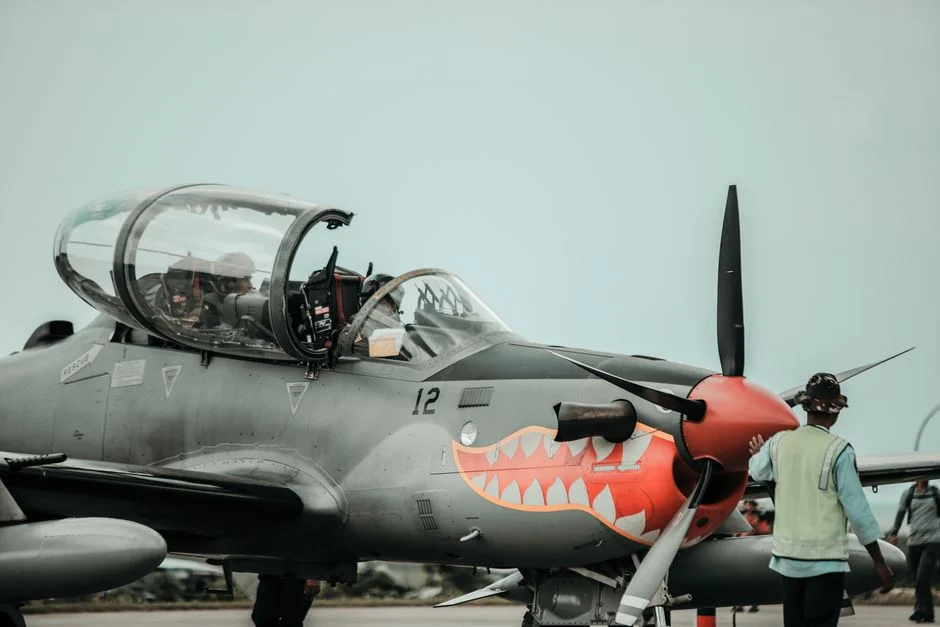
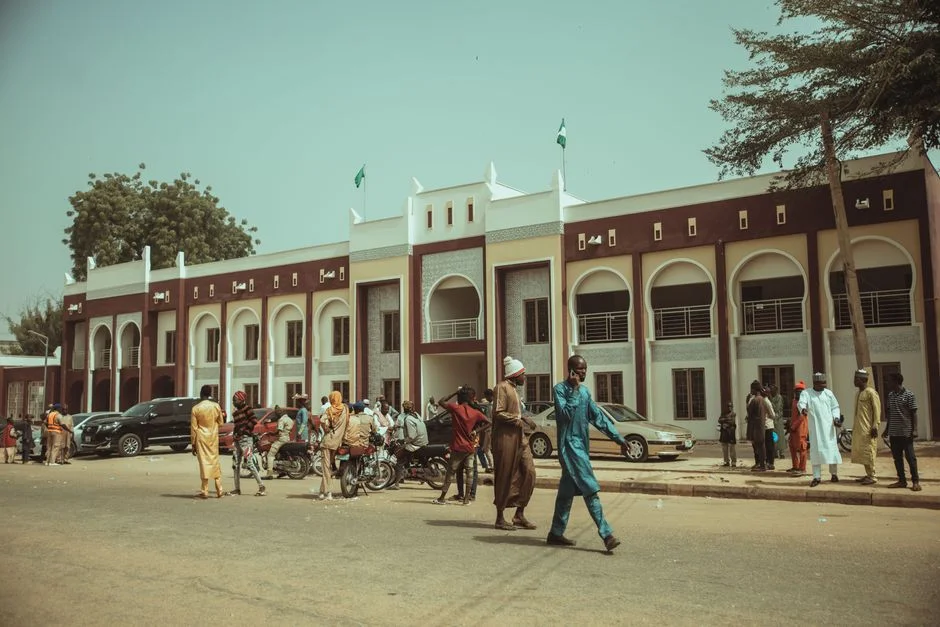
The Nigerian Army has neutralized two insurgents and rescued four abducted civilians in Niger State, following a coordinated strike that also thwarted a major attack on local oil pipelines. Soldiers from the 82 Division launched the operation in the contiguous forest areas near Suleja and Minna, targeting a mixed force of Fulani herders and Boko Haram spillover fighters. The intervention secured the release of four villagers who had been held for over three weeks, providing immediate relief to families in the Miga Local Government Area.
This development marks a significant shift in the security dynamics of Central Nigeria, where road banditry and pipeline vandalism have previously dominated headlines. The successful rescue underscores the military's evolving strategy of integrating rapid response units with intelligence-led strikes in dense woodland terrain. For residents of Niger State, the event offers a rare moment of optimism amidst a prolonged period of uncertainty and economic disruption.
Rapid Response in Suleja Corridor
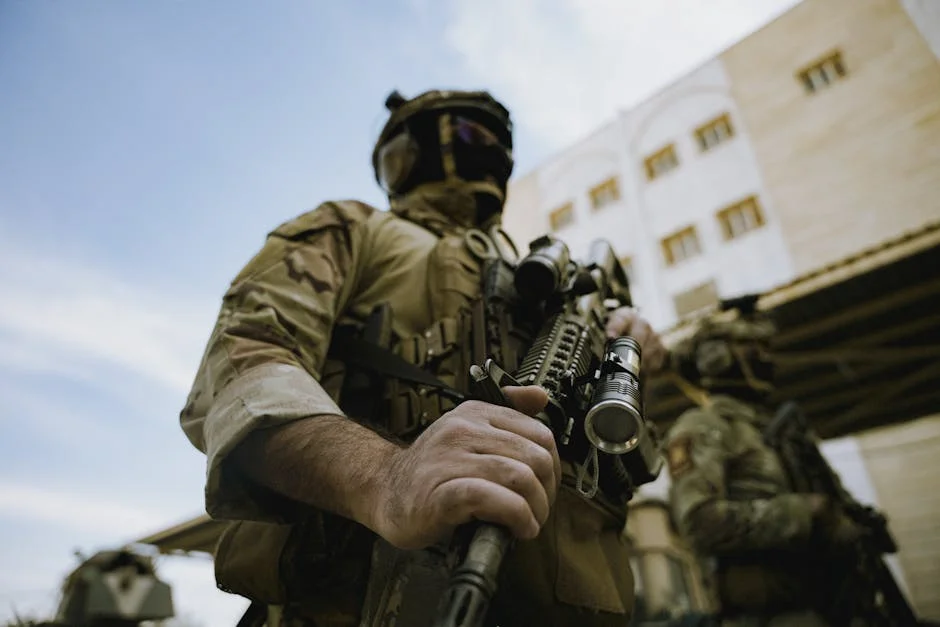
The operation commenced early Tuesday morning when reconnaissance teams identified enemy movement along the Suleja-Miga highway. Army commanders ordered an immediate ambush, catching the terrorists off guard as they attempted to move their captives deeper into the forest. Gunfire erupted within minutes, forcing the insurgents to abandon their planned route toward the Benue River valley. Soldiers engaged the enemy at close range, minimizing collateral damage to nearby hamlets.
Two insurgents were confirmed killed in the exchange, while others fled into the bush with their light infantry weapons. The Nigerian Army stated that the casualties included the group's de facto commander, whose death is expected to disrupt local coordination among smaller splinter factions. Troops secured the scene within two hours, allowing medics to assess the condition of the four rescued victims. All four were reported to be in stable condition, though suffering from mild dehydration and exhaustion.
Intelligence-Driven Tactics
The success of this mission relied heavily on real-time intelligence gathered from local informants and drone surveillance over the contiguous forests. Military spokespeople noted that the enemy had grown complacent, assuming the army was focused primarily on the northern borders. This tactical surprise allowed soldiers to encircle the terrorists before they could establish a strong defensive perimeter. The use of light armored vehicles enabled rapid deployment through the muddy terrain, which often slows down conventional troop movements.
Local community leaders praised the speed of the response, noting that previous rescues often took days or even weeks. The swift action prevented further degradation of the hostages' health and reduced the likelihood of ransom negotiations dragging on indefinitely. Community elders in Miga have begun to organize night patrols, leveraging the momentum from the military victory to bolster grassroots security efforts. This collaborative approach is critical for maintaining pressure on insurgents who rely on the cover of darkness to strike.
Pipeline Sabotage Foiled
In a parallel development during the same operation, troops intercepted a convoy of insurgents heading toward the Main Flow Station in Suleja. Intelligence reports indicated that the terrorists planned to lay explosives on the 13-inch pipeline, which supplies fuel to major stations in Abuja and Kaduna. Soldiers ambushed the sabotage team near the pipeline corridor, seizing their detonators and fuel cans. The intervention prevented a potential fuel crisis that could have affected millions of residents in the Federal Capital Territory and surrounding states.
Pipeline vandalism in Niger State has become a recurring nightmare for the oil and gas sector, leading to frequent production downtimes and soaring fuel prices. Each successful attack forces downstream marketers to import more crude, driving up the cost of Premium Motor Spirit (PMS) at the pump. For the average Nigerian citizen, this translates to higher transportation costs and increased inflation for basic commodities. By halting this specific attack, the army has indirectly provided economic relief to consumers who have been bearing the brunt of supply chain disruptions.
The Nigerian National Petroleum Company Limited (NNPC) confirmed that the pipeline remained operational following the strike, avoiding the need for emergency maintenance shutdowns. This continuity is vital for ensuring steady fuel supply to the north-central region, where logistics networks are already strained by security challenges. Industry analysts suggest that consistent military protection of these assets could lead to a slight stabilization in local fuel prices in the coming weeks. However, sustained security is required to prevent a sudden spike in costs once again.
Impact on Local Communities
The rescue of the four kidnapped victims has brought profound emotional relief to families in the Miga and Agwara Local Government Areas. Kidnapping for ransom has evolved from a periodic nuisance to a systematic tool of terror, where farmers and traders are targeted at gunpoint. The return of these individuals allows local businesses to resume normal operations, as the fear of abduction often forces merchants to close their shops early or travel in large caravans. This psychological burden has weighed heavily on the social fabric of these communities for years.
Local traders in Suleja market have expressed cautious optimism, noting that the security presence has increased since the operation. However, they warn that the situation remains fluid, and vigilance is essential to prevent a resurgence of banditry. The community has called for the deployment of more Quick Reaction Force (QRF) units to monitor key routes, particularly during the dry season when visibility in the forests improves. These calls reflect a growing demand for localized security solutions that complement the broader military strategy.
The economic impact extends beyond the immediate rescue and pipeline protection. With the roads safer, agricultural produce can move more freely from the farms to the markets in Minna and Abuja. This flow of goods is crucial for stabilizing food prices, which have been volatile due to security-related disruptions. Farmers who were previously hesitant to venture into the contiguous forests may now return to their lands, boosting local food production and reducing dependency on imports from the south.
Strategic Shift in Central Nigeria
This operation highlights a strategic shift in the Nigerian Army's approach to counter-insurgency in the north-central region. Previously, the military relied heavily on large-scale sweeps that often displaced thousands of civilians. The recent success demonstrates the effectiveness of smaller, agile units that can penetrate deep into enemy territory with precision. This method reduces the collateral damage that often leads to civilian resentment and provides insurgents with fresh recruits from displaced populations.
Military experts note that the integration of air support with ground troops has been a game-changer in the Niger State theater. Helicopters provide rapid mobility and aerial firepower, allowing soldiers to outmaneuver insurgents who traditionally used the dense forest cover to their advantage. The army has also increased its investment in intelligence gathering, using both human sources and technological assets to predict enemy movements. This multi-pronged approach is essential for sustaining gains in a region where the enemy is highly mobile and well-armed.
The Nigerian Army has announced plans to expand these operations into neighboring Kebbi and Zamfara states, where similar security challenges persist. This expansion aims to create a unified security front that prevents terrorists from easily crossing state borders to escape pursuit. Coordination with state police forces and local vigilante groups will be critical to the success of this broader strategy. The goal is to create a contiguous zone of security that allows for economic revival and social stability across the entire north-central region.
What to Watch Next
Residents and stakeholders should monitor the upcoming security briefing by the Commander of the 82 Division, which is scheduled for next week in Minna. This briefing is expected to reveal more details about the captured insurgents and the intelligence network that facilitated the rescue. The army may also announce new deployment patterns and patrol routes, which will directly impact daily life for citizens in the contiguous forest areas. Keeping an eye on these updates will help communities prepare for any changes in security dynamics.
Additionally, observers should watch for any fluctuations in fuel prices in Abuja and Niger State over the next month. If the pipeline remains secure, prices may stabilize or even drop slightly, providing tangible economic benefits to consumers. However, if insurgents retaliate with coordinated attacks on other infrastructure, prices could surge again, highlighting the fragile nature of the current security situation. The response of the Nigerian National Petroleum Company to these developments will also be a key indicator of the broader economic impact.
Finally, the reaction of local community leaders and traditional rulers will be crucial in determining the long-term success of the military's strategy. If communities feel included and protected, they are more likely to provide reliable intelligence and support for troops. Conversely, any perceived neglect or excessive use of force could lead to renewed tensions and instability. The Nigerian Army's ability to balance military efficiency with community engagement will define the next phase of the security campaign in Central Nigeria. Citizens are advised to stay informed and remain vigilant as the operation continues to evolve.
See Also
- US Embassy Warns Citizens to Avoid Menlyn Park Shopping Centre Over Threats
- Nigeria Demands Stable Energy Supply to Boost Industrial Growth and Economy