Nigeria's push for a stable energy supply is critical for boosting industrial growth, as rising electricity costs pose a threat to local businesses. On Tuesday, the Minister of Power, Adebayo Adelabu, confirmed that the government aims to enhance energy infrastructure to support Nigeria's manufacturing sector, which contributes about 10% to the nation's GDP.
Energy Crisis Frustrates Businesses
Industrialists in Lagos are feeling the pressure as power outages become more frequent, with the average household facing 12 hours of blackout daily. Factory owners, such as Ibrahim Mohammed, who runs a textile business in the city, reported production losses of up to 30% due to unreliable power sources.
The erratic energy supply has forced many businesses to turn to expensive alternatives like diesel generators, which have increased operating costs significantly. With diesel prices soaring past ₦700 per litre, small enterprises struggle to keep up with market demands while maintaining profitability.
Government Initiatives and Challenges
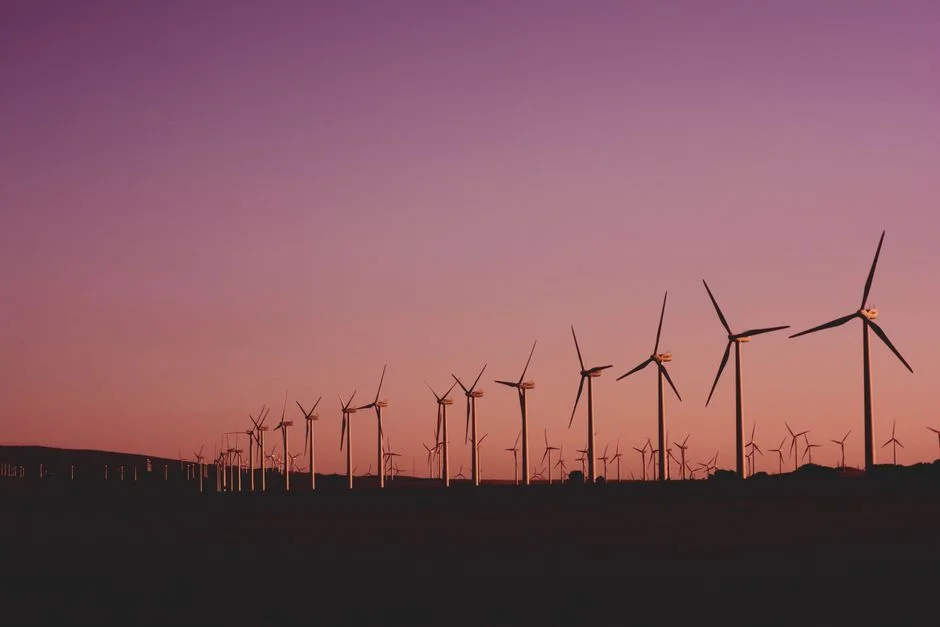
Nigeria's Ministry of Power is implementing several initiatives aimed at improving the energy landscape. The government is investing approximately $2 billion in renewable energy projects, focusing on solar and wind power to diversify the energy mix and reduce dependency on fossil fuels.
However, these plans face hurdles, including inadequate infrastructure and regulatory challenges. The recent decision to increase tariffs on electricity also raises concerns among consumers and business owners about affordability and fairness in pricing.
Regional Impact of Energy Instability
Energy instability affects not just Nigeria but also neighbouring countries that rely on Nigerian power supply. Indeed, Benin, Togo, and Niger often depend on Nigerian electricity to meet their demands. The unstable supply has led to increased tensions and trade disputes among these nations.
Local communities in border towns, like Seme in Nigeria, often experience economic downturns due to energy shortages, as businesses fail to operate efficiently. The ripple effect leads to job losses and reduced income for families who rely on these enterprises.
Citizens React to the Energy Crisis
Residents across Nigeria are expressing frustration with the government’s inability to provide a consistent energy supply. A recent survey by the National Bureau of Statistics revealed that 75% of Nigerians are dissatisfied with the current energy situation, citing it as a major barrier to economic development.
Community leaders are calling for urgent reforms in the power sector to ensure citizens have reliable access to electricity. Activist groups, such as the Nigerian Electricity Consumers Advocacy Network, are mobilising to pressure the government for transparency and accountability regarding energy policies.
The Way Forward
As Nigeria grapples with its energy issues, several steps must be taken to secure a sustainable future. The government plans to hold a national energy summit next month, where stakeholders from the public and private sectors will discuss critical reforms and investments in the energy sector.
Citizens and businesses alike are watching closely, hoping for a commitment to change that would lead to a reliable energy supply, essential for driving industrial growth and economic prosperity. The outcome of the summit will be pivotal in shaping the future of Nigeria's energy landscape.
See Also
- Mandai Unveils African Zone at Rainforest Wild Asia Adventure — What’s Next for Tourists?
- South Africa Mines Bet Big on Solar — What Nigeria Must Learn
What is the latest news about nigeria demands stable energy supply to boost industrial growth and economy?
Why does this matter for agriculture-food?
What are the key facts about nigeria demands stable energy supply to boost industrial growth and economy?