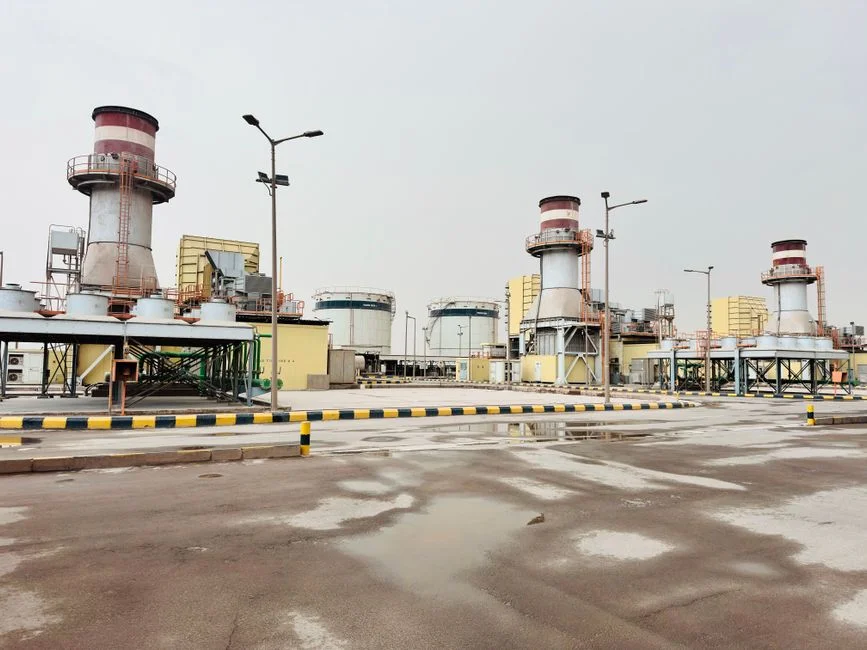
Aliko Dangote has launched a decisive campaign to transform Africa’s agricultural landscape, targeting the continent’s heavy reliance on imported fertiliser. The industrialist’s latest strategic moves aim to stabilise food prices for millions of citizens across Nigeria and neighbouring states. This initiative directly addresses the daily economic pressures faced by local farmers and urban consumers alike.
The Dangote Group is accelerating the development of new fertiliser production facilities. These projects are designed to reduce the cost of inputs for smallholder farmers in West Africa. Lower production costs should translate into more affordable staple foods in local markets.
Targeting the Fertiliser Cost Crisis
Nigerian farmers currently face some of the highest fertiliser costs on the continent. High input prices directly erode profit margins for agricultural producers in states like Kano and Kaduna. When farmers pay more for urea and compound fertilisers, they either reduce yield or pass costs to consumers.
Dangote has identified this price volatility as a primary barrier to continental food self-sufficiency. The group plans to leverage its existing refinery output to create a steady supply of gas-based fertilisers. This integration aims to shield local agriculture from global commodity price swings.
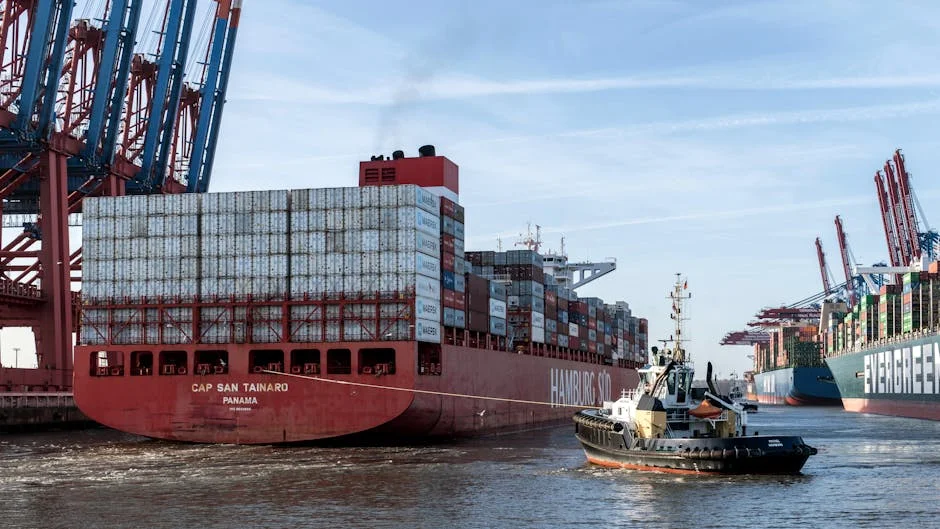
Local communities in Northern Nigeria have long struggled with inconsistent supply chains. Truckers often face delays at ports in Lagos and Onitsha, driving up logistics costs. By producing fertiliser closer to farming belts, the group seeks to cut these logistical bottlenecks.
Direct Impact on Nigerian Households
The average Nigerian household spends a significant portion of its income on food. Rising maize and rice prices directly affect the purchasing power of families in Lagos and Abuja. Dangote’s strategy targets these core staples by making their production cheaper.
When fertiliser costs drop, farmers can plant more land and increase yields. This surplus helps stabilise market prices during peak consumption periods. Consumers in urban centres will likely see more stable prices for essential goods.
Smallholder farmers represent the backbone of Nigeria’s agricultural sector. Many of these producers operate on thin margins and are highly sensitive to input cost fluctuations. Access to affordable, high-quality fertiliser can mean the difference between profit and loss for these families.
Supporting Small-Scale Agricultural Producers
The group is exploring distribution models that bypass traditional middlemen. Direct supply chains can reduce the final price paid by farmers in rural communities. This approach aims to make fertiliser accessible to even the smallest landowners.
Training programs for farmers on efficient fertiliser usage are also part of the plan. Better usage patterns mean farmers get more value from every bag purchased. This efficiency directly boosts the income of rural households.
Local cooperatives in states like Ogun and Oyo are being targeted for pilot programs. These cooperatives allow farmers to buy in bulk and negotiate better prices. Such initiatives strengthen the economic resilience of local farming communities.
Regional Supply Chain Transformation
Africa imports billions of dollars worth of fertiliser annually. This outflow of foreign exchange weakens the currencies of key agricultural nations. Dangote’s expansion aims to retain more value within the regional economic bloc.
The new plants will serve not just Nigeria but also landlocked neighbours. Countries like Niger, Chad, and Cameroon rely heavily on Nigerian ports for imports. Local production reduces the transit time and cost for these regional partners.
Improved regional trade flows can strengthen diplomatic and economic ties. A reliable local supply chain reduces the vulnerability of the entire West African region. This stability is crucial for long-term agricultural planning.
Logistics infrastructure around the new facilities is also being upgraded. Better roads and rail links will facilitate the movement of goods. These improvements benefit local businesses beyond just the agricultural sector.
Economic Benefits for Local Communities
The construction and operation of new plants create thousands of jobs. Local communities near the sites benefit from direct employment and contract opportunities. These jobs provide stable incomes for workers in industrial zones.
Secondary businesses also thrive around major industrial projects. Hotels, transport services, and retail outlets see increased demand. This economic ripple effect boosts the local economy in cities like Lekki and Ibeju-Lekki.
The group has committed to sourcing a portion of supplies from local vendors. This strategy helps small and medium enterprises grow and compete. Local suppliers gain access to larger contracts and improved cash flow.
Community development projects are often tied to these industrial expansions. Schools, clinics, and roads are frequently upgraded by the host companies. These improvements enhance the quality of life for residents in surrounding areas.
Strategic Partnerships and Investment
Dangote is not acting alone in this ambitious venture. The group has secured partnerships with international technology providers. These alliances bring in advanced production techniques and management expertise.
Government support is also crucial for the success of these projects. The Nigerian Ministry of Agriculture has expressed strong backing for the initiative. Policy incentives help reduce the initial capital burden on the investors.
Private equity and bank loans are financing a significant portion of the expansion. Investors are attracted by the long-term growth potential of the African food market. This financial backing ensures the projects can withstand short-term economic shocks.
Collaboration with local research institutions is also underway. These partnerships help tailor fertiliser blends to specific soil types. Scientific input ensures that the products meet the exact needs of local crops.
Challenges and Community Concerns
Despite the optimism, several challenges remain for the project. Environmental concerns are a key issue for communities near the plants. Residents worry about air quality and water usage from the new facilities.
The group has promised to implement strict environmental management plans. Regular monitoring and community engagement are part of this strategy. Transparency is essential to maintain public trust in the industrial expansion.
Infrastructure deficits can also slow down project timelines. Power supply and road conditions in some regions remain inconsistent. Addressing these gaps requires coordinated effort between the group and local governments.
Land acquisition can sometimes lead to local disputes. Fair compensation and clear communication are vital for smooth progress. The group has established grievance mechanisms to handle community feedback effectively.
Future Outlook and Next Steps
The first phase of the new fertiliser plants is expected to break even within three years. This timeline depends on consistent raw material supply and steady demand. Investors are watching these metrics closely for signs of success.
Expansion into other African markets is planned for the medium term. The group aims to establish regional hubs in East and Southern Africa. This broader strategy seeks to create a continent-wide fertiliser network.
Policy reforms are also anticipated to support the industry. The Nigerian government may introduce tax incentives for local production. These changes could further reduce costs for farmers and consumers.
Citizens should watch for the launch of the first commercial batch of fertiliser. This milestone will mark the beginning of tangible benefits for local farmers. The impact on food prices will become visible in the following harvest seasons.
The Dangote Group has set a deadline for the completion of the initial production line. This target is set for the end of the current fiscal year. Progress reports will be released quarterly to keep stakeholders informed.
See Also
- Senator Kawu Sumaila Empowers Kano South with Over 3,000 School Chairs and 1,000 Hospital Beds
- Harish Rao Slams Congress for Undermining Democracy in Telangana - What It Means for Africa
Environmental concerns are a key issue for communities near the plants. These alliances bring in advanced production techniques and management expertise.