Emmanuel Macron has declared himself "incredibly proud" of his record on the continent, but Nigerian citizens are looking at their bank accounts to judge the French president's true impact. The French leader’s latest push, centered on the Africa Forward initiative, promises a new era of partnership that extends far beyond the diplomatic corridors of Nairobi. For the average person in Lagos or Abuja, however, these high-level announcements translate directly into the price of rice, the cost of fuel, and the stability of the Naira.
Macron's Pride vs. Nigerian Reality
The French president recently spoke to Radio France Internationale, asserting that his tenure has reshaped the relationship between Paris and African capitals. He highlighted infrastructure projects and educational exchanges as proof of a modernized alliance. Yet, in Nigeria, the reception is mixed. Many Nigerians feel that French influence has waned in West Africa, only to re-emerge with new economic demands. This tension creates a complex backdrop for the Africa Forward agenda, which aims to streamline trade and investment flows.

Citizens are skeptical of grand rhetoric when daily survival remains a struggle. Inflation in Nigeria has hovered around 28% in recent months, affecting everything from transportation to healthcare. When Macron speaks of pride, he refers to diplomatic milestones. When Nigerians speak of progress, they refer to the purchasing power of the average household. This disconnect is the central challenge for any new policy framework. The government in Abuja must now decide whether to embrace this French-led initiative or leverage it for better local terms.
What Is Africa Forward and Why It Matters
The Africa Forward initiative is not just a slogan; it is a structured policy framework designed to accelerate economic integration. It focuses on three main pillars: digital infrastructure, green energy transition, and supply chain resilience. For Nigeria, the largest economy in Africa, these pillars represent both opportunity and threat. The initiative seeks to reduce dependency on traditional imports, which could benefit local manufacturers if implemented correctly. However, it also opens the door for increased French corporate presence in key sectors.
Understanding what is Africa Forward requires looking at the specific mechanisms proposed. The plan includes tax incentives for companies that source raw materials locally. It also proposes faster visa processing for business travelers between France and key African hubs like Nairobi and Lagos. These measures are designed to speed up commerce. For a small business owner in Onitsha Market, faster customs clearance could mean cheaper goods and higher profits. For a tech startup in Yaba, better digital infrastructure could attract vital foreign direct investment.
Critics argue that the initiative is a vehicle for neo-colonial economic control. They point out that French companies have historically dominated the energy and mining sectors in Francophone Africa. If the same model is applied to Anglophone giants like Nigeria, local firms might struggle to compete. The Nigerian government must navigate these concerns carefully. The goal is to secure the benefits of the Africa Forward plan without sacrificing national economic sovereignty.
Impact on the Nigerian Economy
The direct effect on Nigeria's economy will be felt through trade balances and currency stability. If the initiative succeeds in boosting exports, the Naira could see a temporary boost. Increased demand for Nigerian cocoa, timber, and crude oil from French and European markets would bring in much-needed foreign reserves. This could help the Central Bank of Nigeria manage interest rates, potentially lowering the cost of loans for businesses. However, if imports surge due to streamlined customs, the trade deficit could widen, putting further pressure on the currency.
Nigerian industries are currently facing stiff competition from imported goods. The Africa Forward plan includes provisions for "local content" requirements, meaning a certain percentage of goods must be sourced locally. If enforced strictly, this could give a major boost to Nigerian manufacturing. Textile factories in Kano and food processing plants in Ogun State could see increased demand. This would create jobs and reduce the reliance on imported finished goods. The key will be enforcement and consistent policy application by the Abuja government.
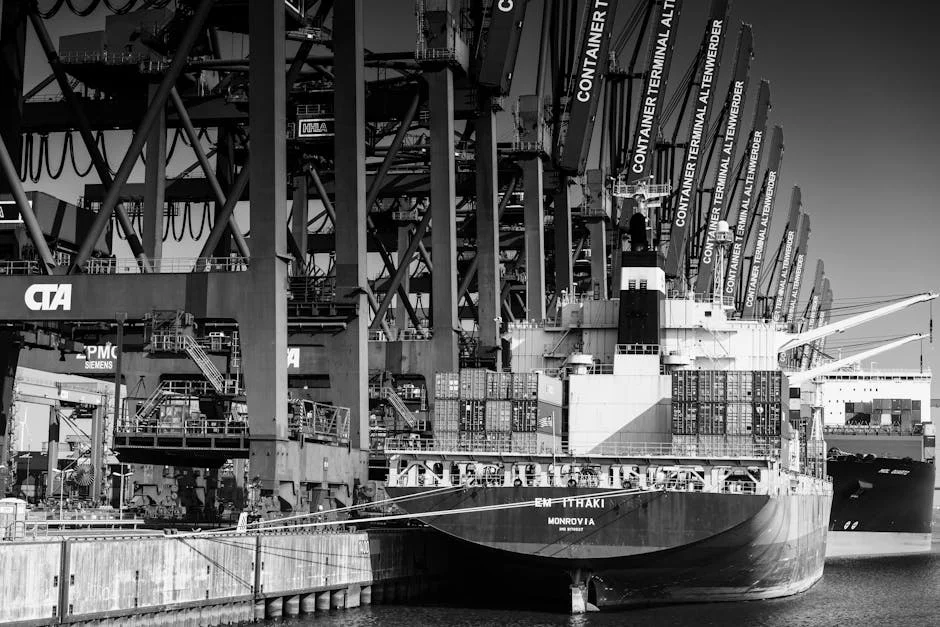
Investors are watching closely to see how Nigeria positions itself within this new framework. The country's size and strategic location make it a critical player. If Nigeria aligns with Africa Forward, it could attract billions in infrastructure investment. Roads, ports, and power grids could see upgrades funded by French and European partners. This infrastructure development is crucial for reducing the high cost of doing business in Nigeria. Lower logistics costs would ultimately lower prices for consumers.
Trade Dynamics and Local Markets
The relationship between Nigeria and its African neighbors is also evolving. Nairobi, Kenya, has emerged as a key hub for East African trade, often serving as a gateway for European goods entering the continent. The Africa Forward initiative aims to strengthen these intra-African links. For Nigeria, this means more competition from Kenyan and South African exporters. However, it also opens new markets for Nigerian products. A stronger regional trade bloc could reduce the dominance of Asian imports, allowing for a more balanced trade relationship.
Small and medium-sized enterprises (SMEs) are the backbone of the Nigerian economy. They account for over 48% of the country's GDP. The success of Africa Forward for the average citizen depends on how accessible these opportunities are to SMEs. If the benefits are captured only by large conglomerates, the social impact will be limited. The Nigerian government needs to introduce targeted grants and low-interest loans to help smaller businesses capitalize on the new trade routes. This will ensure that the economic gains are distributed more evenly across the population.
Community Response and Social Impact
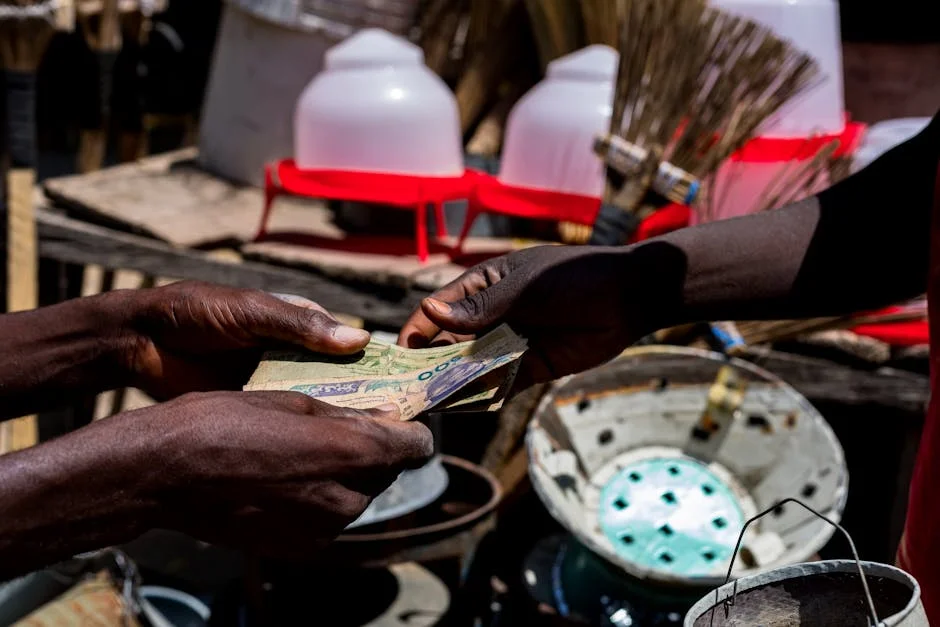
At the grassroots level, the response to these high-level agreements is often one of cautious optimism. In markets across Lagos, traders are aware that changes in trade policy affect the price of tomatoes, rice, and textiles. They are not necessarily concerned with diplomatic pride, but with the cost of living. Any policy that stabilizes prices or increases wages will be welcomed. Conversely, any move that leads to sudden import surges and local job losses will face immediate backlash. The social contract between the government and the people is fragile.
Education and healthcare are two sectors that could benefit from increased French investment. The Africa Forward plan includes commitments to strengthen educational institutions and healthcare systems. For Nigerian students, this could mean more scholarships and exchange programs. For patients, it could mean better-equipped hospitals and more accessible medical supplies. These social benefits are less visible than infrastructure projects, but they have a profound impact on daily life. The Nigerian Ministry of Education and the Ministry of Health will play key roles in leveraging these opportunities.
Community leaders and civil society organizations are calling for greater transparency. They want to know exactly which projects are funded and how the money is managed. Corruption has long been a concern in large infrastructure deals. Ensuring that funds reach their intended destinations is critical for building public trust. If the Africa Forward initiative can deliver tangible improvements in schools and clinics, it could help restore faith in the political process. This social capital is just as valuable as the economic investment.
Looking Ahead: What To Watch
The next few months will be critical in determining the success of the Africa Forward initiative in Nigeria. The Nigerian government is expected to announce specific bilateral agreements with France and other European partners by the end of the quarter. These agreements will outline the specific sectors for investment and the terms of trade. Citizens should watch for announcements regarding the oil and gas sector, as well as digital infrastructure. These areas are likely to see the first wave of investment.
Political developments in both France and Nigeria will also influence the pace of implementation. Elections and policy shifts can alter priorities and timelines. The Nigerian presidency will need to maintain a consistent stance to ensure that deals are not left in limbo. International observers will be monitoring the initial projects closely to assess their impact on local communities. The focus will be on job creation, price stability, and infrastructure quality. The coming year will reveal whether Macron's pride is shared by the people of Nigeria.
See Also
- UK Official Claims Pressure to Expedite Envoy Appointment
- Kwankwasiyya Rubble-Rousing Short-Wave Politics
Nairobi, Kenya, has emerged as a key hub for East African trade, often serving as a gateway for European goods entering the continent. A stronger regional trade bloc could reduce the dominance of Asian imports, allowing for a more balanced trade relationship.
What is the latest news about macron defies critics africa forward plan targets nigerias trade?
Why does this matter for politics-governance?
What are the key facts about macron defies critics africa forward plan targets nigerias trade?