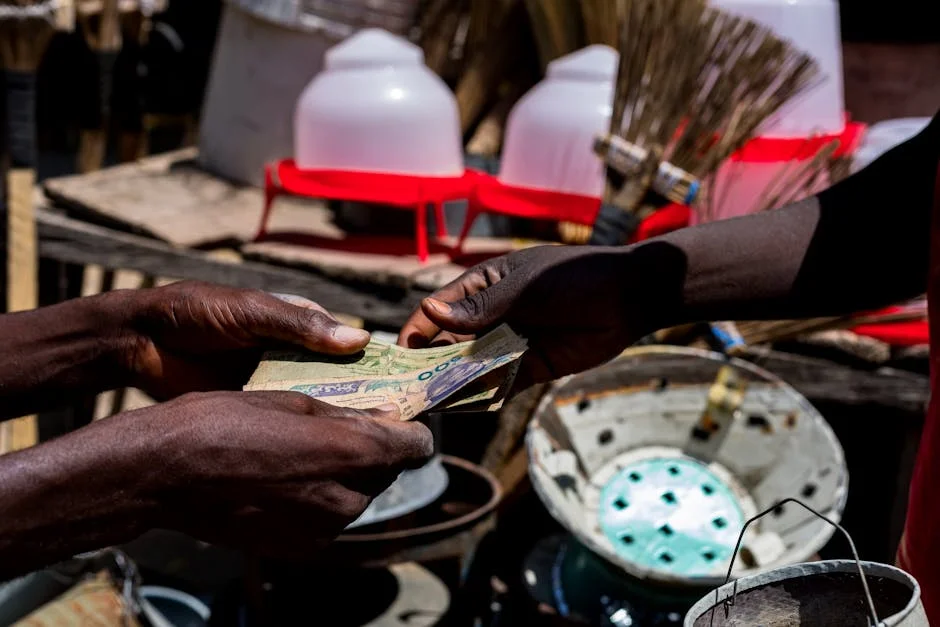
The daily pulse of the continent shifts rapidly, and the updates from May 13, 2026, reveal immediate pressures on households across West Africa. Citizens in Lagos, Accra, and Nairobi are already feeling the ripple effects of these regional developments. These changes are not distant political maneuvers but direct impacts on the price of bread and the cost of fuel.
Regional Economic Pressures Intensify
Economic indicators released this week show a tightening grip on consumer spending power. The African Development Bank noted that inflation rates in key trading partners have risen by 2.5% compared to the previous quarter. This increase directly influences the import costs for Nigerian businesses that rely on regional supply chains. Small traders in the bustling markets of Onitsha are already adjusting their prices to compensate for the higher cost of goods.
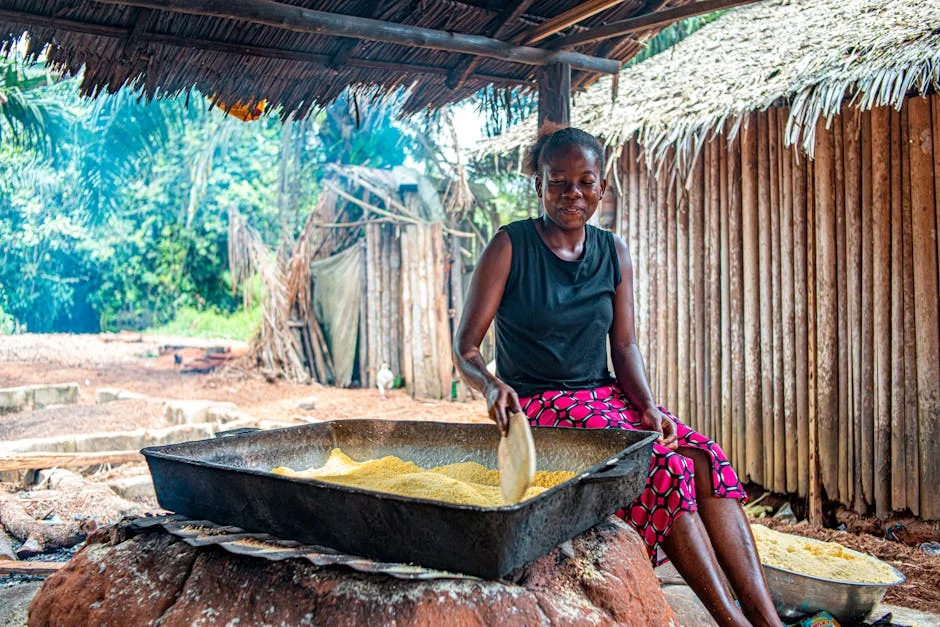
The currency fluctuations in neighboring Ghana have created a domino effect on the Naira. When the Cedi weakens, the value of the Naira often follows suit due to the close trade ties between the two nations. This means that for every dollar spent on imported electronics or textiles, Nigerian consumers are paying more. The stability of the local economy is inextricably linked to the financial health of its immediate neighbors.
Impact on Local Markets
Market women in Kano report a noticeable rise in the price of tomatoes and onions, which are often imported from the North. This surge in food prices affects the daily budget of millions of families. The cost of living is climbing, forcing households to make difficult choices between education, healthcare, and basic sustenance. These are not abstract economic terms but real decisions made at the kitchen table.
Business owners are responding by diversifying their supply sources to reduce dependency on single markets. Some retailers are looking towards local production to mitigate the risks associated with regional volatility. This shift could lead to a slow but steady growth in local manufacturing over the next few years. However, the immediate pain for consumers remains a pressing concern for policymakers.
Political Shifts and Community Response
Political developments in the region are also shaping the social landscape. Recent diplomatic meetings in Addis Ababa have focused on security cooperation and trade liberalization. These agreements aim to reduce border delays and enhance the flow of goods and people. For commuters and traders who frequently cross borders, these changes promise greater efficiency and reduced costs. However, the implementation phase will test the resilience of local infrastructure.
Communities near the borders are witnessing increased movement of people seeking better economic opportunities. This migration puts pressure on local services such as healthcare and education in receiving areas. Local governments in states like Kaduna and Borno are working to integrate these new residents into their social fabric. The social cohesion of these communities depends on effective planning and resource allocation.
The response from civil society organizations has been proactive, with many launching initiatives to support integration. These groups are working to bridge the gap between long-standing residents and newcomers. Their efforts highlight the importance of social capital in maintaining stability during times of change. Community leaders play a crucial role in fostering understanding and reducing potential friction.
Infrastructure and Connectivity Challenges
Infrastructure remains a critical bottleneck for regional integration. The state of roads and rail networks directly affects the cost of doing business. Poor connectivity increases transportation costs, which are ultimately passed on to the consumer. The recent report from the World Bank highlights the need for urgent investment in these areas. Without improvement, the potential benefits of regional trade agreements will remain unrealized.
In Nigeria, the focus is on improving the Abuja-Lagos highway and expanding the rail network. These projects are expected to reduce travel time and lower logistics costs significantly. For businesses, this means faster delivery times and reduced inventory holding costs. For travelers, it translates to more comfortable and efficient journeys. The impact on the local economy will be substantial if these projects are completed on schedule.
However, delays and funding gaps continue to plague these infrastructure projects. Political will and consistent funding are essential for their success. Stakeholders must remain vigilant and hold decision-makers accountable for progress. The benefits of improved infrastructure are not just economic but also social, connecting communities and fostering unity.
Social Impacts and Daily Life
The social fabric of the region is being tested by these economic and political changes. Education and healthcare systems are under pressure to accommodate growing populations and changing needs. Parents are increasingly concerned about the quality of education their children receive. The cost of schooling is rising, and access to quality healthcare remains a challenge for many families.
Community leaders are calling for greater investment in social services to address these challenges. They argue that a healthy and educated population is the foundation of a strong economy. Governments must prioritize these sectors to ensure sustainable development. The well-being of citizens is directly linked to the effectiveness of public services.
Grassroots movements are emerging to advocate for better social outcomes. These movements are leveraging social media to amplify their voices and hold leaders accountable. Their efforts demonstrate the power of collective action in driving change. The engagement of citizens in the development process is crucial for creating inclusive and resilient communities.
Looking Ahead: What to Watch
The coming months will be critical in determining the trajectory of these developments. Key policy decisions and economic indicators will provide insights into the direction of the region. Investors and citizens alike are watching closely for signs of stability and growth. The actions of governments and businesses will shape the future of the continent.
Stakeholders should monitor the implementation of new trade agreements and infrastructure projects. These initiatives have the potential to transform the regional economy and improve living standards. However, their success depends on effective execution and sustained commitment. The next quarter will be a test of the resolve of leaders and the resilience of communities.
Citizens are encouraged to stay informed and engaged in the development process. By understanding the impacts of these changes, individuals can make better decisions for their households and businesses. The future of Africa is being written today, and every citizen has a role to play in shaping it. The journey towards prosperity requires collective effort and shared vision.
See Also
- UK Court Halts £100m Payment to Rwanda Over Failed Asylum Deal
- Yara Warns Iran Conflict Triggers African Food Crisis
Key policy decisions and economic indicators will provide insights into the direction of the region. The recent report from the World Bank highlights the need for urgent investment in these areas.