The United Nations High Commissioner for Human Rights has formally demanded an independent investigation into a recent air strike in Zamfara State, Nigeria, after conflicting reports emerged regarding civilian casualties. This diplomatic intervention comes as the Nigerian military maintains that the operation was precise, while local communities insist that dozens of market-goers were killed. The dispute has intensified tensions between the armed forces and the residents of the North-West region, raising urgent questions about accountability and transparency in counter-insurgency operations.
Conflicting Narratives Emerge from the Battlefield
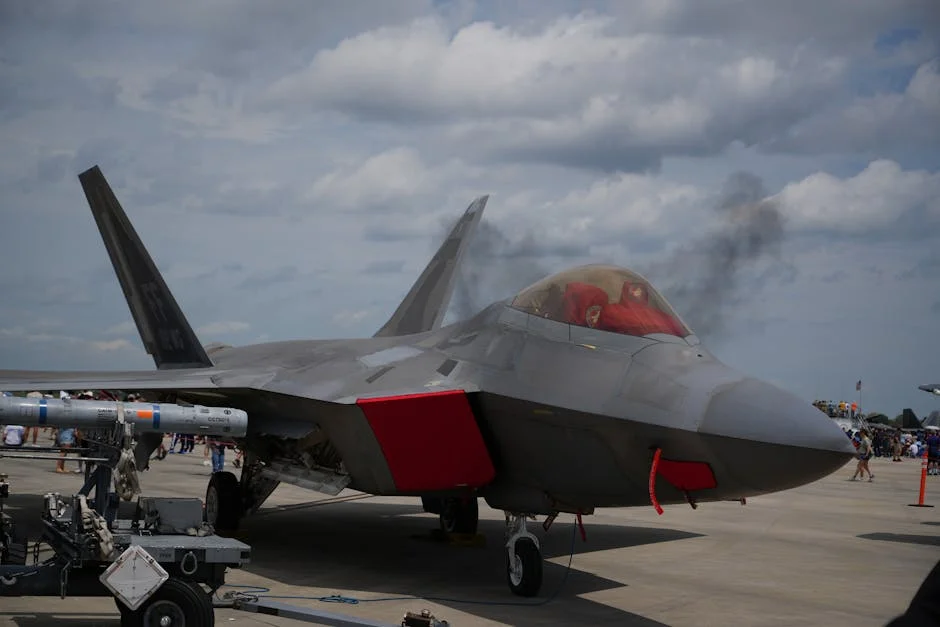
The incident occurred on Wednesday during a routine patrol and strike mission aimed at curbing banditry in the restless state. According to the Nigerian Defence Forces, the air strike targeted a specific convoy of armed bandits near a rural settlement. Military officials stated that intelligence confirmed the location of the fighters, minimizing the risk to nearby civilians. They emphasized that the operation was necessary to secure the area and restore order for the local population.
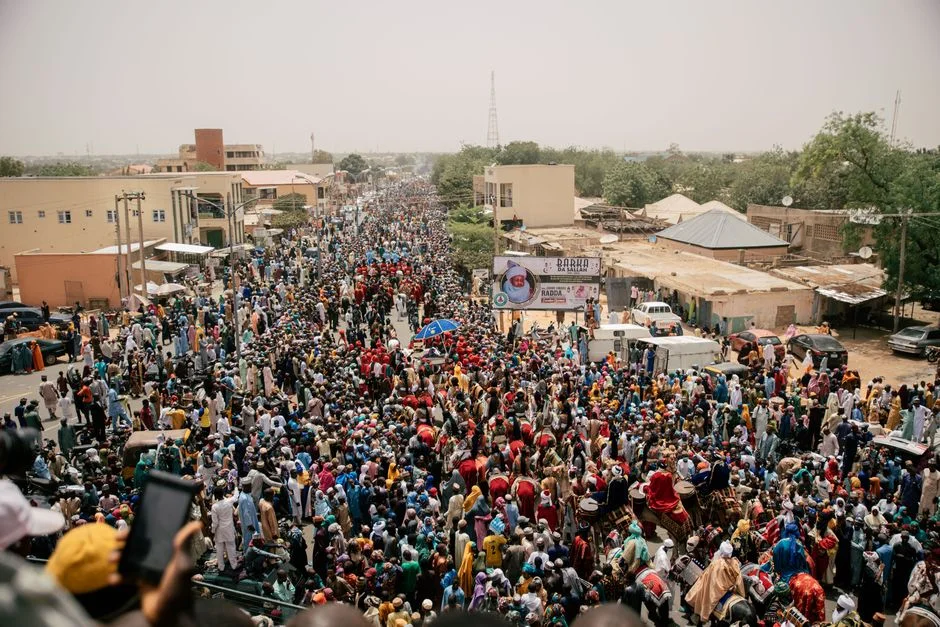
However, eyewitnesses in the affected community tell a drastically different story. Residents of the market area claim that the airstrike hit the heart of the trading hub while people were buying and selling goods. Local leaders report that the sudden bombardment caused panic, leading to multiple fatalities among women and children. These accounts directly challenge the military’s assertion that the civilian death toll was negligible or non-existent.
This divergence in narratives is not new in Nigeria’s fight against insecurity. Similar disputes have arisen in Borno State during the campaign against Boko Haram and in the Middle Belt region against Fulani herders. Each time, the lack of immediate, transparent verification allows mistrust to fester between the state and the citizens it aims to protect. The current situation in Zamfara risks repeating this pattern of doubt and disillusionment.
United Nations Steps In With Urgent Demands
The United Nations High Commissioner for Human Rights, Volker Türk, issued a statement calling for a thorough and impartial probe into the incident. He highlighted the principle of distinction, which requires armed forces to differentiate between combatants and civilians during military operations. The UN emphasized that failure to do so could constitute a war crime, depending on the scale of the casualties. This intervention signals growing international scrutiny of Nigeria’s internal security strategies.
The UN’s involvement adds significant pressure on the Nigerian government to act swiftly. International bodies are increasingly watching how Nigeria manages its diverse security challenges, particularly in regions where banditry has become endemic. The High Commissioner’s office has urged the Nigerian authorities to allow independent monitors access to the site. Such access is crucial for gathering physical evidence and interviewing survivors without military interference.
This move by the UN is part of a broader effort to ensure that human rights standards are upheld during counter-terrorism efforts. It serves as a reminder that military efficiency should not come at the expense of civilian safety. The international community expects Nigeria to demonstrate that its democratic institutions and military are capable of self-correction and accountability. Failure to respond adequately could damage Nigeria’s diplomatic standing and aid relationships.
Legal and Diplomatic Implications for Nigeria
The legal implications of the UN’s demand are substantial for the Nigerian state. If the investigation confirms significant civilian casualties without adequate justification, Nigeria could face criticism in international forums. This could affect foreign direct investment and bilateral agreements, particularly with European nations that prioritize human rights in their trade policies. The Nigerian government must balance its security needs with its international obligations.
Furthermore, the diplomatic friction highlights the need for better communication strategies by the Nigerian military. Transparency in reporting casualties can help rebuild trust with local communities. When citizens feel that their voices are heard and their losses are acknowledged, cooperation with security agencies often improves. The current silence or denial from military spokespeople risks alienating the very people whose support is essential for long-term stability in Zamfara.
Impact on Local Communities in Zamfara
For the residents of Zamfara State, the air strike is not just a political dispute; it is a daily reality of fear and uncertainty. Many families have already fled their homes due to recurring bandit raids, only to find that the relief brought by the military comes with its own risks. The market, a central hub for social and economic interaction, has become a potential target, disrupting the livelihoods of hundreds of traders. This instability forces citizens to weigh the safety of their goods against the safety of their lives.
The economic impact of the incident is immediate and severe. Traders have reported a sharp decline in foot traffic as buyers hesitate to visit the market. Prices of essential commodities are beginning to rise due to the disruption in supply chains. Small business owners, who operate on thin margins, face the prospect of bankruptcy if the unrest continues. The local economy, already strained by inflation and insecurity, is taking another blow from this single event.
Socially, the incident has deepened the divide between the local populace and the security forces. Trust is the currency of effective governance, and each unexplained casualty erodes that trust. Community leaders are calling for town hall meetings to discuss the incident and demand answers from local representatives. These gatherings are becoming platforms for voicing grievances that have long been suppressed by the fear of retribution. The social fabric of Zamfara is being tested by these recurring conflicts.
Human Rights Concerns and Public Reaction
Human rights organizations in Nigeria have seized on this incident to highlight broader issues in the country’s security apparatus. Groups such as Amnesty International Nigeria and the Centre for Human Rights have called for systemic reforms. They argue that the current approach to counter-insurgency often prioritizes speed over precision, leading to collateral damage. These organizations are pushing for the establishment of a permanent civilian oversight committee to monitor military operations in the North-West.
The public reaction has been mixed but increasingly vocal. Social media platforms are flooded with hashtags demanding justice for the victims of the Zamfara air strike. Citizens are sharing testimonies, photographs, and videos from the scene, creating a digital archive of the event. This grassroots documentation serves as a powerful tool for holding authorities accountable, especially when official reports seem to downplay the severity of the situation. The digital outcry reflects a growing awareness of what is Human Rights and why Human Rights matters in everyday life.
Local activists are also organizing protests and vigils in nearby cities like Gusau and Katsina. These demonstrations aim to keep the issue in the public eye and pressure state governors to intervene. The involvement of civil society ensures that the narrative does not remain solely in the hands of the military or the federal government. It empowers the citizens of Zamfara to assert their rights and demand a higher standard of protection from their state. This civic engagement is crucial for sustaining the momentum for change.
Military Response and Operational Challenges
The Nigerian military faces significant operational challenges in the North-West region. Bandits in Zamfara are known for their mobility and use of civilian areas as cover. This makes it difficult for the air force to distinguish between fighters and non-combatants. Military commanders argue that the intensity of the threat justifies the use of heavy firepower. They maintain that without decisive action, the bandits would continue to terrorize the population, leading to even greater instability.
However, critics argue that the military’s reliance on air strikes indicates a lack of effective ground intelligence. Better coordination with local scouts and community leaders could help pinpoint the exact locations of bandits. This would reduce the need for broad-area bombardments and minimize civilian casualties. The military’s current strategy appears to be a stopgap measure rather than a comprehensive solution. Addressing the root causes of banditry requires a multi-faceted approach that includes economic development and social integration.
The denial of civilian deaths by the military is seen by many as a defensive tactic. Admitting to errors can be politically costly for military leadership. It can lead to questions about competence and resource allocation. However, transparency is often more effective in maintaining public support than denial. Acknowledging mistakes and outlining steps for improvement can help restore faith in the armed forces. The Nigerian military must navigate this delicate balance between operational secrecy and public accountability.
What to Watch Next in the Zamfara Crisis
The coming weeks will be critical in determining how this dispute is resolved. The Nigerian government has announced that a joint commission will be formed to investigate the incident. This commission will include members from the Ministry of Defence, the State Government of Zamfara, and representatives from the United Nations. The timeline for the investigation has been set at 30 days, with a final report expected by the end of next month. This deadline will serve as a key benchmark for assessing the government’s commitment to transparency.
Observers will also be watching for any changes in military tactics in the region. If the government decides to implement stricter rules of engagement, it could signal a shift in strategy. This could involve more use of special forces and less reliance on heavy air support. Such changes would directly impact the daily lives of citizens in Zamfara, potentially reducing the frequency of disruptions to their markets and homes. The response to this incident will set a precedent for future military operations across Nigeria.
Citizens in Zamfara and across the region should monitor the release of the initial findings from the joint commission. These findings will provide the first official account of the casualties and the effectiveness of the strike. Community leaders are encouraged to continue documenting their experiences and engaging with local media. Keeping the pressure on authorities will ensure that the voices of the victims are not forgotten. The outcome of this probe will have lasting implications for human rights and security in Nigeria.
See Also
- UN Pumps $340 Million Into Nairobi — A New Era for Africa
- Straits Times GP Sparks Debate on Crime in Lagos
Human Rights Concerns and Public Reaction Human rights organizations in Nigeria have seized on this incident to highlight broader issues in the country’s security apparatus. However, critics argue that the military’s reliance on air strikes indicates a lack of effective ground intelligence.