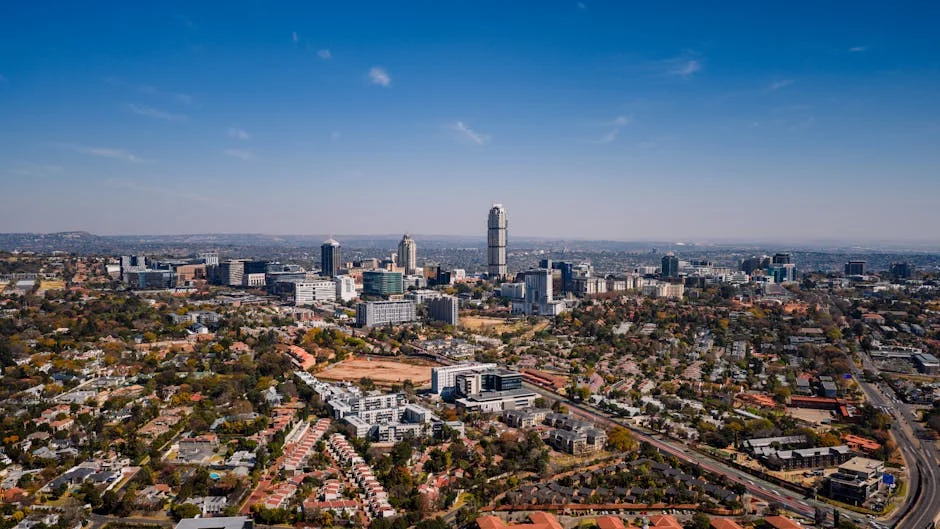
The United Nations has officially committed $340 million to expand its headquarters in Nairobi, marking one of the largest single investments in the city’s infrastructure in recent decades. This financial injection transforms the Kenyan capital from a regional administrative hub into a central node for global diplomacy, directly impacting local communities and the broader East African economy. The expansion signals a tangible shift in how international institutions view the continent, moving beyond aid to strategic partnership.
For citizens in Nairobi, this is not merely a bureaucratic adjustment. It represents a surge in construction activity, a rise in property values, and a redefinition of the city’s skyline. The project affects everything from traffic patterns in the Westlands district to the wages of local artisans. Understanding the scope of this investment requires looking at the specific mechanisms of the expansion and the ripple effects on daily life.
Scope of the Nairobi Headquarters Expansion

The United Nations Office at Nairobi (UNON) is undertaking a massive renovation and extension of its existing facilities. The $340 million budget covers the construction of new office blocks, the modernization of conference centers, and the upgrade of residential quarters for diplomats and staff. This project is designed to accommodate a growing number of UN agencies that have chosen Nairobi as their African base.
The physical transformation of the Westlands area will be immediate. Heavy machinery is already moving through the streets, bringing both noise and employment opportunities. Local contractors have been awarded significant portions of the work, ensuring that a portion of the capital expenditure stays within the Kenyan economy. The goal is to create a self-sustaining ecosystem that supports thousands of jobs, from skilled engineers to service industry workers.
This expansion is part of a broader strategy by the UN to decentralize its operations. By investing heavily in Nairobi, the organization acknowledges the city’s stability, connectivity, and professional workforce. The new facilities will house key agencies such as the United Nations Environment Programme (UNEP) and the United Nations Human Settlements Programme (UN-Habitat), further cementing Nairobi’s status as the "Green City in a Sunny Place."
Direct Impact on Nairobi Residents
The most immediate effect of the UN expansion is on the local labor market. The construction phase alone is expected to create over 5,000 direct jobs and tens of thousands of indirect jobs. These positions range from high-level architectural roles to entry-level positions in security and catering. For a city grappling with youth unemployment, this influx of employment opportunities is a critical economic boost.
However, the benefits are not evenly distributed. Property prices in the Westlands and surrounding neighborhoods have already begun to climb. Landlords are increasing rents, anticipating an influx of UN staff and contractors. This trend poses a challenge for middle-class residents who may find themselves priced out of their own communities. The gentrification of the area is a double-edged sword, offering modernization but threatening affordability.
Infrastructure strain is another concern. The roads leading to the UN headquarters, particularly Waiyaki Way and Muthaiga Road, are expected to experience heavier traffic congestion. Local commuters report that the construction has already disrupted bus routes and pedestrian pathways. City planners are working to mitigate these issues, but the pressure on Nairobi’s transport network is a direct consequence of the expansion.
Community Displacement and Housing Pressures
The rise in housing costs is pushing some long-term residents to the outskirts of the city. Informal settlements near the UN complex are seeing increased speculation, with investors buying up plots in anticipation of future developments. This dynamic raises questions about social equity and whether the local community will share in the prosperity brought by the global institution. Community leaders are calling for more inclusive housing policies to protect vulnerable residents.
Economic Ripple Effects Across Kenya
The economic impact of the UN expansion extends beyond the immediate construction site. The increased presence of international staff boosts demand for local goods and services. Restaurants, hotels, and retail stores in the Westlands district are reporting higher turnover. This consumer spending creates a multiplier effect, where money circulates through the local economy, benefiting businesses that may not directly employ UN staff.
Kenya’s service sector is particularly well-positioned to capitalize on this growth. The country has a reputation for efficient logistics and a strong telecommunications infrastructure. The UN expansion reinforces Nairobi’s appeal as a business destination, encouraging other multinational corporations to establish regional headquarters in the city. This creates a competitive environment that drives innovation and improves service quality.
Furthermore, the project highlights the importance of the Kenyan Shilling’s stability. As more dollars flow into the local economy, the currency may experience upward pressure. This can have positive effects on import costs, making goods cheaper for consumers. However, it also poses challenges for exporters, whose goods may become more expensive on the global market. The Central Bank of Kenya is closely monitoring these trends to ensure monetary stability.
Implications for Nigeria and West Africa
While the expansion is centered in Nairobi, its implications resonate across the continent, including in Nigeria. The investment signals a broader trend of international institutions increasing their footprint in Africa. For Nigeria, this presents both an opportunity and a challenge. As Nairobi solidifies its position as a diplomatic hub, Lagos and Abuja must work to maintain their competitive edge.
Nigerian professionals can benefit from the growth in Nairobi by seeking employment opportunities with UN agencies and related contractors. The demand for skilled workers in sectors such as engineering, communications, and administration is high. This creates a pathway for Nigerian talent to gain international experience and bring back expertise to the home market. The mobility of labor within Africa is a key factor in regional economic integration.
Additionally, the success of the Nairobi model can serve as a blueprint for other African cities. Nigeria’s diplomatic corps can study the strategies used by Kenya to attract and retain international institutions. This includes improving infrastructure, streamlining bureaucratic processes, and enhancing the quality of life for expatriates. Learning from Nairobi’s experience can help Nigeria enhance its own appeal as a global player.
Strategic Shift in Global Diplomacy
The UN’s decision to invest heavily in Nairobi reflects a strategic shift in global diplomacy. For decades, international institutions have been concentrated in a few Western capitals. The expansion in Nairobi is part of a deliberate effort to decentralize power and bring decision-making closer to the ground. This move acknowledges the growing influence of African nations in global affairs.
Africa is no longer just a recipient of aid but a key player in shaping global policies. Issues such as climate change, peace and security, and sustainable development are increasingly driven by African perspectives. By investing in Nairobi, the UN ensures that African voices are at the center of these discussions. This shift has profound implications for how policies are formulated and implemented across the continent.
The expansion also strengthens ties between Africa and the rest of the world. Nairobi serves as a bridge between the Global North and the Global South. This connectivity facilitates knowledge exchange, trade, and cultural understanding. For citizens in Nairobi, this means greater exposure to international ideas and practices, fostering a more cosmopolitan and dynamic urban environment.
Challenges and Future Outlook
Despite the optimism, the project faces several challenges. Delays in construction, budget overruns, and political instability are potential risks. The complexity of managing a project of this scale requires careful planning and execution. Any misstep could lead to public dissatisfaction and economic disruption. The Kenyan government and the UN must work closely to ensure transparency and accountability.
Environmental sustainability is another critical factor. The expansion aims to be a model for green building practices, utilizing solar power, rainwater harvesting, and energy-efficient designs. However, the construction process itself generates significant carbon emissions and waste. Balancing the need for modernization with environmental preservation is a key challenge that will define the long-term success of the project.
Looking ahead, the completion of the UN expansion will be a milestone for Nairobi. The project is expected to be fully operational within the next three years. This timeline will determine how quickly the economic and social benefits materialize. Citizens should watch for updates on job creation, infrastructure improvements, and housing affordability. The success of this initiative will serve as a test case for future investments in African cities, shaping the continent’s trajectory in the global arena.
See Also
- Inter Loses Lead as Fiorentina Stuns Serie A
- Meryl Streep's Emotional Reaction Sparks Interest — The Nigerian Connection