The United States Social Security Administration has confirmed a new deposit of 1,491 dollars for eligible beneficiaries in 2026. This financial adjustment signals a shift in how fixed incomes are managed across borders, creating ripples that extend far beyond American shores. For communities in West Africa, particularly in Nigeria, these funds represent a critical lifeline for families relying on remittances.
Remittances Drive Local Economies
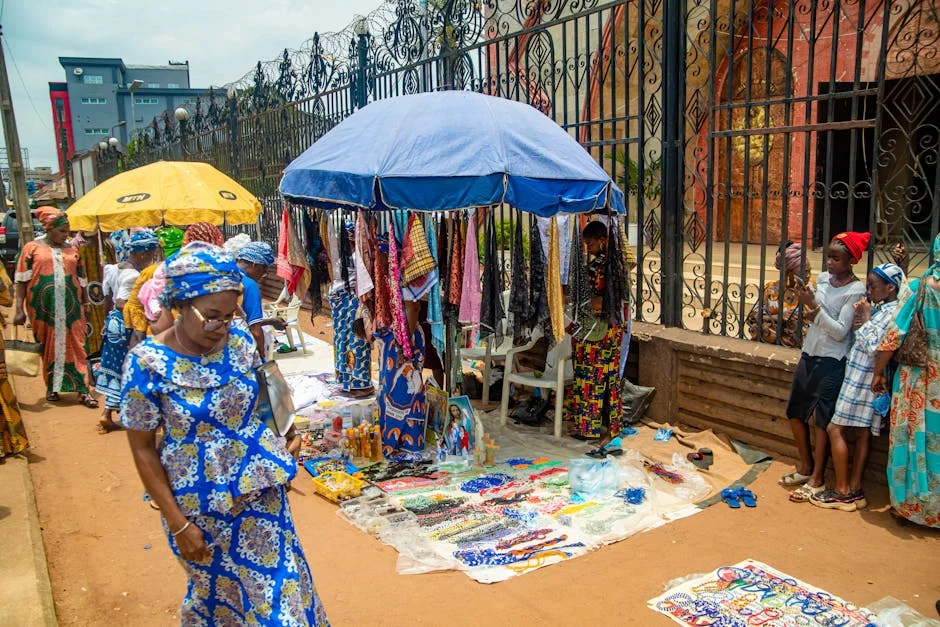
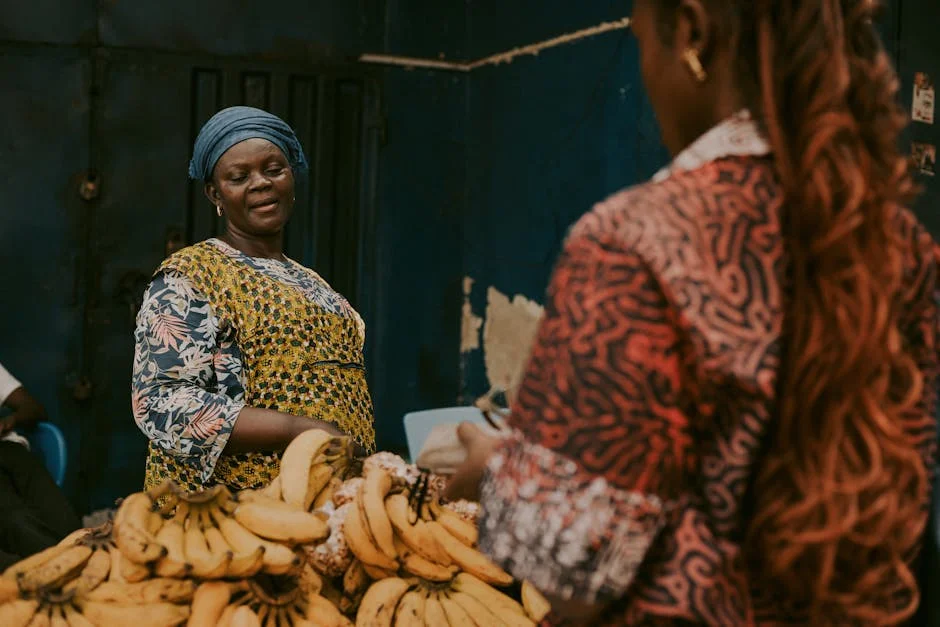
Nigeria relies heavily on money sent home by expatriates to stabilize household budgets. The Nigerian National Bureau of Statistics recently highlighted that remittances often outpace oil revenues as a primary foreign exchange earner. When Social Security checks increase, the immediate effect is felt in markets from Lagos to Kano. Families use these funds to cover school fees, healthcare, and daily grocery expenses.

This direct injection of capital helps combat local inflation. When more dollars enter the economy, the value of the Naira can temporarily stabilize against the greenback. Traders in major commercial hubs report higher turnover during months when large pension disbursements hit bank accounts. This cycle supports small businesses that depend on consumer spending power.
However, the benefit is not evenly distributed. Urban centers with high concentrations of diaspora families see more vibrant economic activity. Rural areas may lag behind unless the remittance flows efficiently through local banking networks. The gap between these regions often widens when currency exchange rates fluctuate wildly.
Understanding VE and Financial Systems
Many readers ask what is VE and how it connects to global financial shifts. In the context of Latin American economies, VE often refers to Venezuela’s Bolivar or specific value-exchange mechanisms. For Nigerian audiences, understanding these global currency dynamics is crucial. It explains why a policy change in Washington can impact the price of rice in Abuja.
Currency Volatility and Daily Life
When the US dollar strengthens, Nigerian consumers feel the pinch at the petrol station. Conversely, a weaker dollar can make imports cheaper but reduce the value of exported goods. Social Security increases help offset these fluctuations for recipients. They provide a buffer that allows families to plan ahead rather than reacting to daily price hikes.
Financial experts in Lagos warn against over-reliance on single sources of income. Diversification remains key for long-term stability. Communities must adapt to the reality that global financial policies directly influence local purchasing power. This interconnectedness defines the modern West African economic landscape.
Impact on Nigerian Households
The average Nigerian family spending pattern changes significantly when a large lump sum arrives. Education becomes the top priority for many parents receiving these funds. Schools in private sectors see enrollment spikes when remittance money flows in. This boosts the educational sector and creates jobs for teachers and support staff.
Healthcare access also improves with increased disposable income. Families can afford better medication and regular check-ups. Clinics in urban areas report higher patient turnout during months when Social Security deposits are processed. This leads to better health outcomes and reduced strain on public hospitals.
However, the cost of living continues to rise in major cities. Housing rents in Lagos and Abuja often track with the strength of the dollar. Landlords may increase rents when they know their tenants have access to stronger foreign currency. This creates a balancing act for families trying to stretch their new funds.
Regional Economic Responses
Other West African nations are watching this trend closely. Ghana and Senegal also receive significant remittances from the US. Policymakers in Accra and Dakar are analyzing how these inflows affect their national currencies. They are considering tax incentives to encourage more diaspora investment.
The Central Bank of Nigeria has been monitoring these flows. They aim to use remittance dollars to stabilize the foreign exchange market. This strategy helps reduce the need for heavy government intervention in the currency market. It also provides a more organic way to manage inflation pressures.
Local businesses are adapting to these changes. Retailers are offering discounts and promotions to attract customers with fresh cash. Service providers, from telecom companies to utility firms, see increased revenue. This creates a multiplier effect that boosts the broader economy.
Challenges and Future Outlook
Not all beneficiaries receive the full amount. Some face delays due to banking issues or documentation problems. These administrative hurdles can frustrate families who rely on timely payments. Improving the efficiency of fund transfer systems remains a priority for financial institutions.
Inflation in Nigeria remains a persistent challenge. Even with increased remittances, the price of basic goods can surge unexpectedly. Families must budget carefully to ensure their money lasts until the next deposit. Financial literacy programs are becoming more popular in communities.
The global economic outlook remains uncertain. Interest rate decisions in Washington will continue to influence the value of the dollar. This, in turn, affects the purchasing power of Social Security checks. Nigerian families must stay informed about these global trends to plan effectively.
Watch for the next Federal Reserve meeting in Washington. Its decision on interest rates will likely impact the dollar’s strength. This will directly influence how much value Nigerian families get from their remittances. Stay tuned for updates on how these global shifts affect your local market prices.
See Also
- Researchers Warn of Escalating Hunger Crisis in West and Central Africa: Urgent Action Needed
- Former Governors Back Yayi in APC Governor Race
Regional Economic Responses Other West African nations are watching this trend closely. Nigerian families must stay informed about these global trends to plan effectively.