Communities in Nigeria’s Northeast are rejecting the federal government’s plan to reintegrate former Boko Haram fighters into local society. Residents in Borno State have voiced intense frustration, fearing that the rapid return of ex-combatants threatens hard-won stability. This pushback highlights a deepening disconnect between Abuja’s strategic decisions and the daily realities of citizens in the war-torn region.
Resident Frustration in Borno State
The anger stems from a perceived rush to normalize life without addressing core grievances. Families who lost relatives to the insurgency feel betrayed by the speed of the reconciliation process. They argue that the government prioritizes political optics over genuine security for the people on the ground. Trust in the local administration has eroded significantly in recent months.
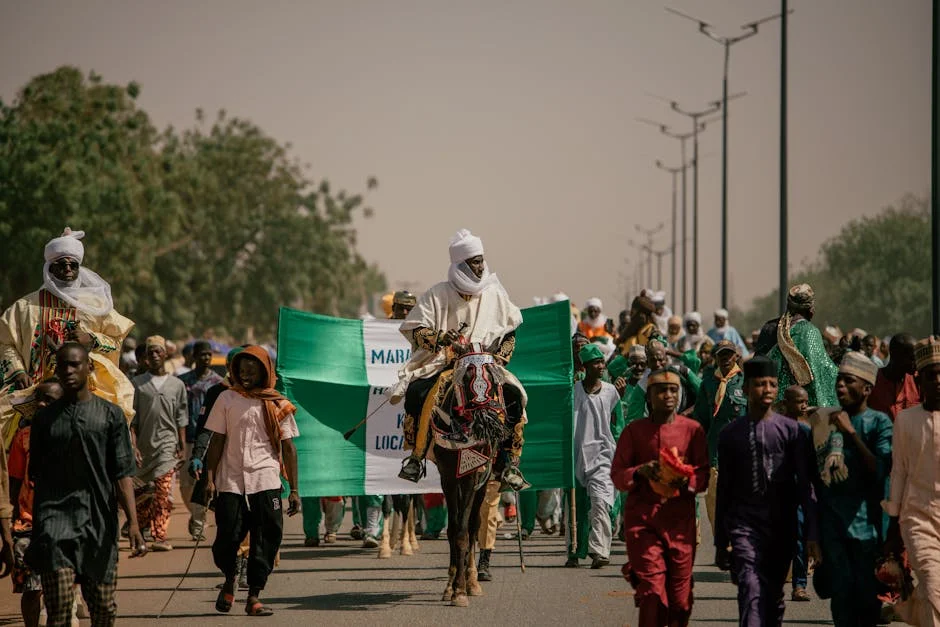
In Maiduguri, the capital of Borno State, market traders and community elders have held informal gatherings to voice their concerns. Many describe the reintegration packages as insufficient to cover the trauma of years of conflict. The financial aid offered to ex-fighters often exceeds what average citizens receive, creating a sense of economic injustice. This disparity fuels resentment and complicates social cohesion.
The Mechanics of the Reintegration Plan
The federal government’s strategy involves providing monetary incentives and vocational training to former insurgents. The goal is to transform fighters into productive citizens who can contribute to the local economy. Officials argue that without a clear exit strategy, these men would remain a latent threat to regional peace. The plan aims to reduce the number of armed men wandering through villages.
Critique of Implementation Speed
Critics argue that the timeline for reintegration is unrealistic for such a complex social issue. The process requires thorough vetting, psychological counseling, and community acceptance, none of which seem fully established. Rushing this process risks releasing unvetted fighters back into neighborhoods that still bear scars from the conflict. The lack of transparency in selecting which fighters qualify for immediate release has also drawn sharp criticism.
Community leaders emphasize that security cannot be handed down from Abuja; it must be built from the village level. They demand more involvement in the vetting process to ensure that only genuine repentants are welcomed back. Without this local buy-in, the reintegration efforts may create more friction than they resolve. The current approach feels imposed rather than collaborative.
Impact on Local Security Dynamics
The return of ex-Boko Haram fighters has already led to minor clashes in some rural areas. Villagers in Yobe State have reported increased nighttime patrols by local vigilante groups. These groups feel compelled to monitor the movements of ex-combatants who live among them. The presence of armed neighbors creates a tense atmosphere that affects daily routines.
Security experts warn that if the reintegration process is not handled with extreme care, it could trigger a new wave of insurgency. Former fighters who feel marginalized or cheated out of their promised benefits may return to the bush. This cycle of hope and disappointment is a potent recruitment tool for the insurgency. Communities are living with this uncertainty every single day.
The local police forces are also stretched thin trying to manage the social friction. They often find themselves mediating disputes between neighbors who have not seen each other for years. This adds a layer of complexity to their traditional law enforcement duties. The burden of maintaining peace falls heavily on these understaffed local units.
Economic Consequences for Communities
The economic strain on host communities is becoming more visible. Families who took in displaced persons during the height of the conflict are now facing the return of the very people who displaced them. This dynamic creates competition for scarce resources such as land, water, and employment opportunities. Inflation in the region has already made basic goods expensive for the average household.
Small business owners in Damaturu report that uncertainty affects consumer spending habits. When people are worried about their neighbors, they tend to spend less and save more. This cautious behavior slows down the local economy, which is still recovering from years of disruption. The reintegration plan must address these economic realities to be truly effective.
Without adequate job creation programs, the influx of ex-fighters into the labor market could depress wages. Many of these men have limited skills, competing directly with young graduates and artisans. This potential wage stagnation is a major concern for community leaders who want sustainable growth. Economic inclusion is just as important as social acceptance.
The Role of Local Governance
Local government areas in the Northeast are struggling to implement federal directives without adequate funding. Mayors and councilors are caught between pleasing Abuja and satisfying their constituents. They lack the administrative capacity to manage the complex logistics of reintegration. This gap in governance exacerbates the frustration felt by ordinary citizens.
Community leaders argue that local councils should have more say in how reintegration funds are utilized. They suggest that investments in infrastructure and education would benefit everyone, not just the ex-fighters. Redirecting some resources to schools and clinics could help rebuild trust in the local government. This approach would demonstrate a commitment to the broader community’s well-being.
The federal government’s reliance on traditional rulers to facilitate the process has also been questioned. While chiefs and emirs hold significant influence, their authority varies from village to village. Relying too heavily on a few key figures can create power imbalances within the community. A more decentralized approach might yield better results in the long run.
Social Cohesion and Community Trust
Rebuilding social fabric takes time, patience, and consistent effort. The current pushback indicates that the social contract between the state and its citizens is fragile. Trust is the most valuable currency in a post-conflict zone, and it is currently being spent rapidly. Communities need to see tangible improvements in their daily lives to believe in the peace process.
Youth groups in the Northeast are particularly vocal about their concerns. Many young men feel that the reintegration plan favors older, more established fighters while ignoring the potential of local youth. This generational divide could lead to new forms of social tension. Engaging the youth in the peacebuilding process is essential for long-term stability.
Women’s groups have also raised important points about the role of women in reconciliation. They argue that women bear a disproportionate burden of the conflict and should have a greater voice in shaping the post-conflict society. Their insights are crucial for creating a more inclusive and resilient community. Ignoring their perspective weakens the overall reintegration effort.
What to Watch Next
The federal government is expected to announce a revised timeline for the reintegration process in the coming weeks. Community leaders are urging for a town hall meeting to address the growing unrest. The outcome of these discussions will determine whether the peace process gains momentum or stalls. Residents are closely monitoring the actions of both local and federal authorities.
Security analysts will be watching for any spike in minor skirmishes in rural Borno and Yobe States. These incidents could signal a broader breakdown in the fragile truce. The effectiveness of local vigilante groups will also be a key indicator of community resilience. The next three months are critical for testing the durability of the current peace arrangements.
See Also
- ADSI Empowers 50 Widows with Cash Grants in Kano
- TikTok Influencer, Mother Guilty of Murdering Men in Road Crash
This potential wage stagnation is a major concern for community leaders who want sustainable growth. The effectiveness of local vigilante groups will also be a key indicator of community resilience.
What is the latest news about nigeria halts boko haram reintegration plan after local fury?
Why does this matter for politics-governance?
What are the key facts about nigeria halts boko haram reintegration plan after local fury?