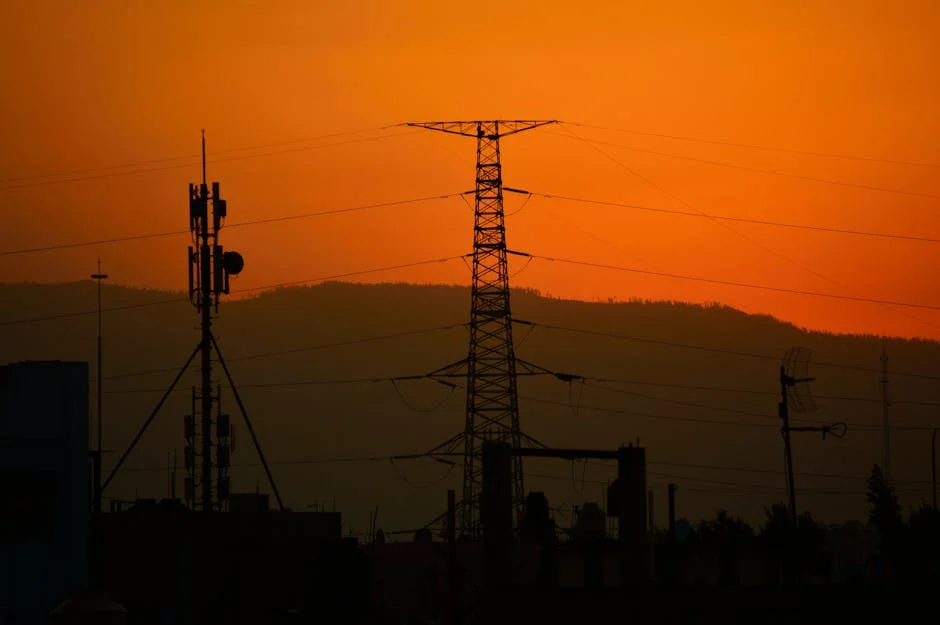
As temperatures continue to rise across India, citizens are facing a new challenge: the heat that doesn't sleep. Nighttime temperatures have been climbing, compounding the effects of the ongoing heatwave. This phenomenon is severely impacting daily life, particularly in urban areas like Delhi and Mumbai, where concrete structures trap heat, making nights warmer than ever.
Heatwave's Impact on Sleep and Health
The rising nighttime temperatures are leaving many Indians tossing and turning in bed. Sleep, a crucial component of daily health, is being disrupted, leading to increased fatigue and stress. According to the Indian Meteorological Department, nighttime temperatures in some regions have not dipped below 30°C (86°F) for consecutive nights, which is well above average.
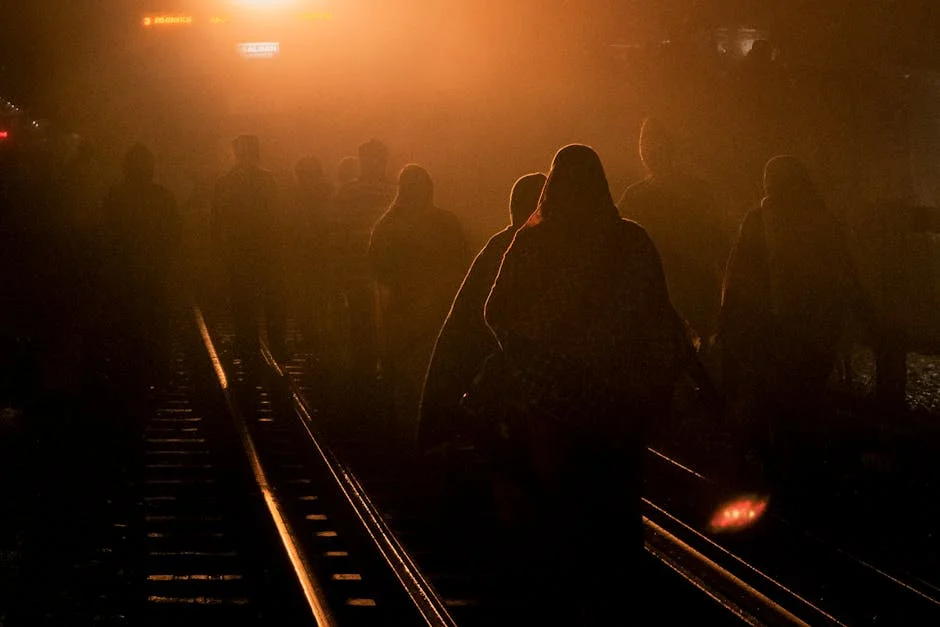
This lack of cool respite is affecting productivity, as people struggle to focus during the day after a restless night. Health experts, such as Dr. Mehta from the National Institute of Mental Health and Neurosciences, warn that prolonged sleep deprivation can lead to more serious health issues like hypertension and cardiovascular problems.
Community and Economic Consequences
The heat is not just a personal discomfort; it has broader community and economic ramifications. Power consumption has surged, with air conditioners and fans working overtime. This has put a strain on the power grid, leading to occasional outages in some cities.
Local businesses, particularly those that operate at night or early in the morning, are feeling the pinch. Markets are experiencing reduced foot traffic as people avoid venturing out during the hottest parts of the day. This economic downturn is being acutely felt by small business owners and workers relying on daily earnings.
Government and Community Responses
Efforts to Mitigate the Heat's Impact
In response to the escalating situation, various state governments are implementing measures to help their citizens cope. In Tamil Nadu, the government has announced plans to distribute fans to low-income households to ease the heat burden. Meanwhile, in Rajasthan, authorities are setting up cooling centres in community halls and schools.
Community organisations are also stepping up. NGOs like the Centre for Climate Change are spreading awareness about heat safety and distributing water and rehydration salts in vulnerable areas. These efforts are critical in helping communities adapt to the new normal of hotter nights.
What to Watch Next: Weather Predictions and Policy Developments
Looking ahead, the Indian Meteorological Department predicts that the heatwave will persist for several more weeks, with no significant relief in sight. This situation demands continuous monitoring and adaptive strategies from both governmental and non-governmental organisations.
Citizens are urged to stay informed about weather forecasts and follow advisories issued by health experts and local authorities. As policymakers consider long-term solutions, such as urban greening projects to reduce heat retention, the immediate focus remains on mitigating the heat's impact on daily life.