As temperatures soar in Jammu, a heatwave alert has been issued for five districts, impacting the region's daily life and economy. The Indian Meteorological Department (IMD) issued the warning on Monday, predicting temperatures to rise above 40°C in Jammu city and surrounding areas. This situation calls for immediate action from local authorities to mitigate the effects on citizens.
Local Communities Brace for Intense Heat
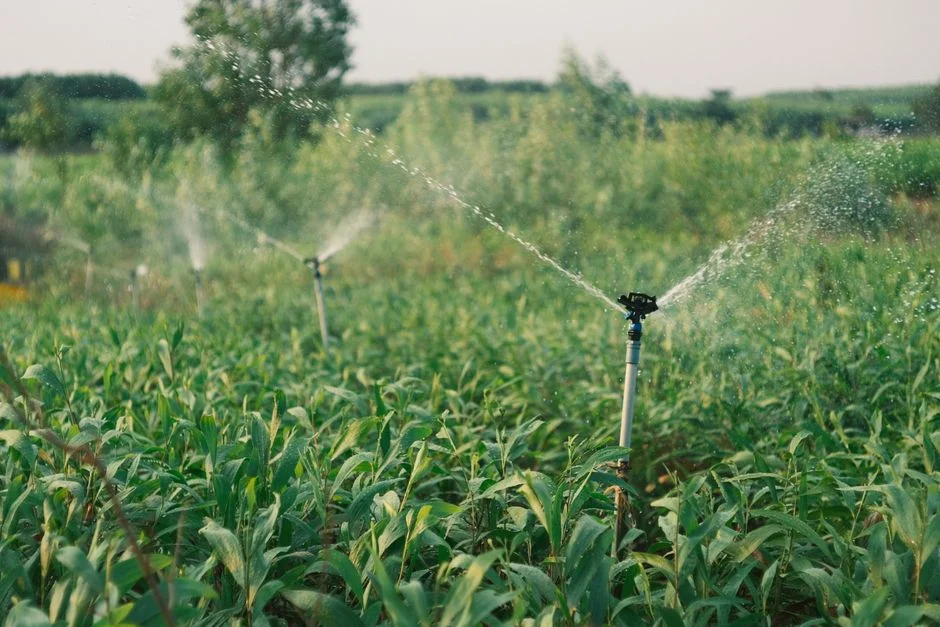
The regions under alert include Jammu, Kathua, Samba, Udhampur, and Reasi. Residents in these districts are advised to stay indoors during peak hours and remain hydrated. Schools and offices are adjusting schedules to avoid the harsh afternoon sun. For farmers in these areas, the heatwave is especially challenging as it threatens crops and livestock.
Jammu's agriculture sector, which contributes significantly to the local economy, is under pressure. Prolonged exposure to high temperatures can lead to crop failure and reduced yields, affecting the livelihoods of farmers. Additionally, increased electricity demand to power cooling systems could lead to higher utility bills for households.
Why the Heatwave in Jammu Matters to Nigeria
While Jammu's weather conditions may seem distant, the impacts could reverberate beyond India's borders. Nigeria, a nation heavily reliant on agricultural imports, could feel the effects if Jammu's agricultural output decreases. This situation highlights the interconnectedness of global economies and the importance of monitoring international climate events.
Moreover, learning from Jammu's experience in handling extreme weather can offer valuable insights for Nigeria. As climate change continues to influence global weather patterns, understanding adaptive strategies becomes crucial for nations sharing similar challenges.
Authorities and Citizens Respond to the Crisis
In response to the heatwave alert, local authorities in Jammu are setting up cooling centres and distributing water and rehydration solutions. The city's health department is on high alert, ready to assist those affected by heat-related illnesses.
Community groups are also stepping up, offering support to vulnerable populations such as the elderly and young children. These collective efforts aim to minimise health risks and ensure public safety during the heatwave.
What to Watch: Future Climate Alerts and Measures
As temperatures in Jammu remain high, authorities are closely monitoring the situation. Updates from the IMD will guide future protective measures. Meanwhile, citizens are encouraged to stay informed and follow safety advisories.
Looking ahead, the focus will be on developing long-term strategies to handle such climate extremes. For Nigeria, observing Jammu's response offers lessons in resilience and preparedness that could be applied locally. As global temperatures rise, international collaboration becomes increasingly vital in addressing climate challenges.
See Also
- Portugal Exposes Vulnerabilities in Cybersecurity Framework — What Risco Means for Africa
- Central Bank of Nigeria Extends PoS Compliance Deadline — What It Means for Businesses
What is the latest news about jammu heatwave triggers alerts in 5 districts impact on local life?
Why does this matter for economy-business?
What are the key facts about jammu heatwave triggers alerts in 5 districts impact on local life?