Keen on enhancing its agricultural sector and infrastructure, the Kaduna State Executive Council has taken significant steps to bolster local agribusiness and improve transportation. The council announced the distribution of 120,000 bags of fertiliser and the construction of 11 roads across the state. These initiatives aim to support farmers and improve access to markets, aligning with economic development goals.
Immediate Impact: Distribution and Development
The distribution of 120,000 bags of fertiliser is set to benefit thousands of farmers in Kaduna. Agricultural stakeholders have long advocated for increased access to fertilisers to enhance farming productivity. With these inputs, local farmers can expect improved crop yields which are crucial given the ongoing challenges faced by the agricultural sector, such as climate change and fluctuating market demands.
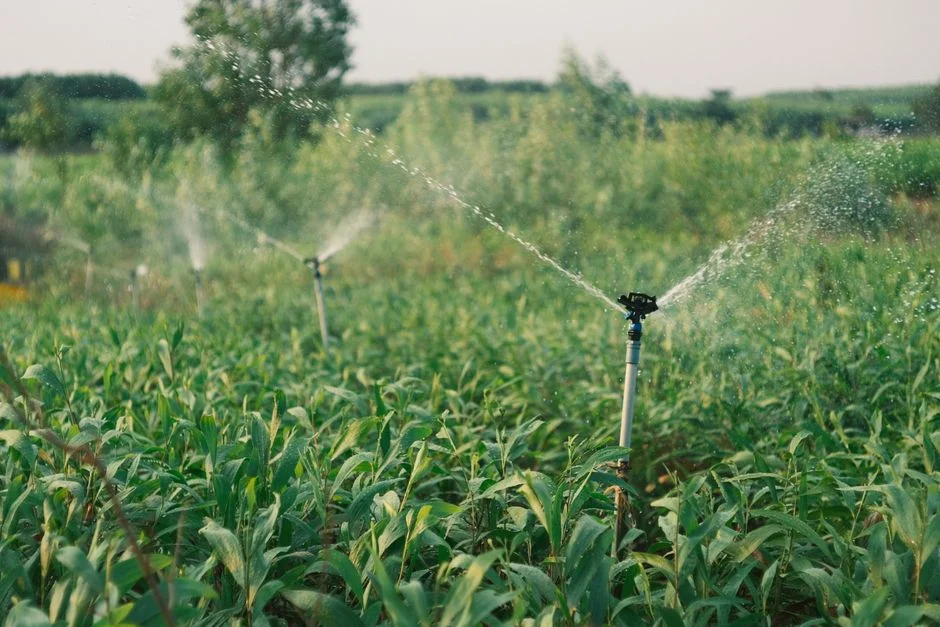
Alongside this, the construction of 11 new roads is expected to significantly enhance connectivity within the state. These roads will reduce travel time and transportation costs, making it easier for farmers to transport goods to markets. This development is not only about enhancing accessibility but also about stimulating economic growth by encouraging market participation and investment in rural areas.
Background: Agriculture and Infrastructure in Kaduna
Kaduna, known for its agrarian economy, has historically faced challenges in terms of infrastructure development and agricultural inputs availability. In the past, inadequate road networks and limited access to farming essentials have hampered growth. The state government, recognising these limitations, has made infrastructure improvement and agricultural support a priority in recent years.
Efforts like the recent fertiliser distribution tie into broader initiatives aimed at revamping the agricultural sector. Previous projects have focused on training farmers, providing improved seeds, and facilitating access to credit, all aimed at making the sector more viable and sustainable. These efforts reflect a commitment to leveraging agriculture as a key driver for economic development in the state.
Economic and Social Stakes
The economic impact of these initiatives cannot be overstated. Agriculture accounts for a significant portion of Kaduna's economy, and enhancing this sector could translate into better livelihoods for thousands. Increased productivity from better fertiliser use would mean higher incomes for farmers, and consequently, a boost in the state's economic activity.
Socially, the road construction and fertiliser distribution are expected to improve the quality of life. Better roads mean improved access to education and healthcare facilities, impacting overall welfare positively. These developments could also reduce rural-urban migration by making rural areas more livable and economically viable.
Roles of Key Players
The Kaduna State Executive Council, under its current administration, has been pivotal in driving these changes. Their policy focus has been on economic revitalisation through infrastructure and agricultural development as cornerstones. Historically, the council has worked collaboratively with federal entities and private sector partners to realise such projects.
In addition, local governments and community leaders play a crucial role in ensuring the successful implementation of these projects. Their involvement helps tailor initiatives to meet the specific needs of communities, ensuring that the benefits of development are widely and equitably distributed.
Community and Stakeholder Reactions
Local farmers and community leaders have generally welcomed these developments, seeing them as a positive step towards economic empowerment. However, there are concerns about the timely completion of the roads and the equitable distribution of fertilisers. Ensuring that these initiatives reach the intended beneficiaries is key to maintaining community support.
Critics, however, caution against potential administrative bottlenecks and corruption, which could undermine the effectiveness of these initiatives. Transparency and accountability in the distribution process and construction projects are critical to addressing these concerns.
Broader Regional Implications
These developments in Kaduna could serve as a model for other regions facing similar challenges. By focusing on infrastructure and agricultural support, Kaduna sets a precedent for integrated development strategies in Nigeria. Other states may look to emulate this approach to revive their local economies.
Regionally, improved agricultural output from Kaduna could contribute to food security across Nigeria. With agriculture being a backbone for many Nigerian states, initiatives like these can have wide-ranging implications, potentially stabilising food prices and contributing to regional economic stability.
Next Steps and Future Outlook
Looking ahead, close monitoring of these projects will be essential. The government needs to set clear timelines for road completions and establish transparent mechanisms for fertiliser distribution. Stakeholders will be watching closely to ensure that the progress is not only fast but also equitable.
As the projects unfold, the potential for increased agricultural productivity and economic development in Kaduna is substantial. The state's ability to execute these initiatives effectively will set a benchmark for future projects. The next few months will be critical in determining the long-term success and sustainability of these efforts.
See Also
- Edgar Eriakha’s Theatre Roots Reshape Lagos Creative Economy
- World Bank Warns India Gulf Crisis Could Shatter Nigerian Jobs