The latest weather forecast from Gujarat, India, predicts extreme heat conditions, raising concerns far beyond its borders. The phenomenon, locally known as 'આગનવર્ષા', refers to a period of intense heat that can have serious repercussions for regions like Nigeria, which are already battling environmental challenges.
Understanding the Weather Phenomenon
In Gujarat, the term 'આગનવર્ષા' translates to 'raining fire', characterising a spike in temperature that can exceed 40 degrees Celsius. Such extreme weather patterns are not only a local issue but can affect global atmospheric conditions, potentially influencing weather patterns across continents, including Africa.
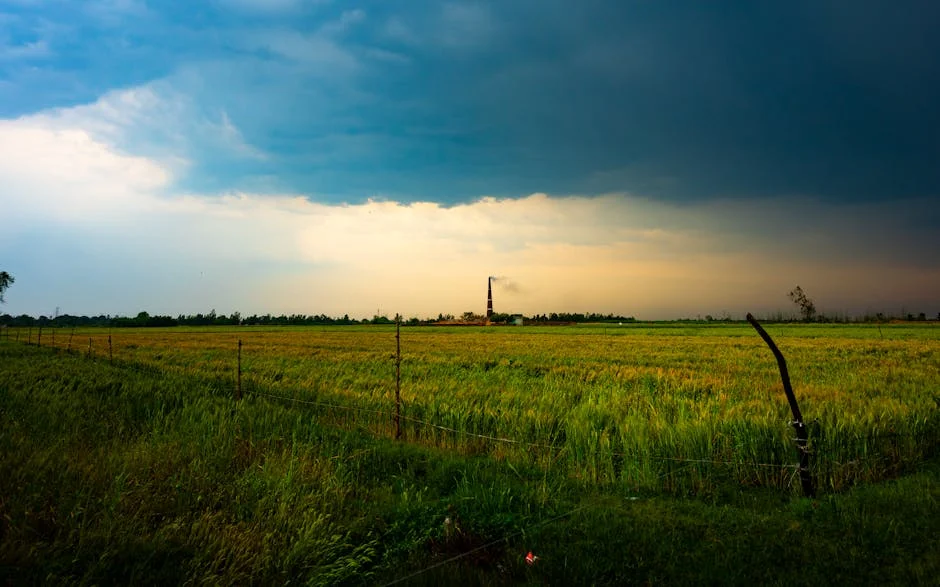
According to the Indian Meteorological Department, these conditions are expected to persist over the coming days. The phenomenon is not new to the region but its intensity has increased, prompting alerts for local communities to prepare adequately.
Impact on Nigeria
The repercussions of Gujarat's weather are not confined to India. Nigeria, already contending with its climate-related challenges, could experience knock-on effects. Increased temperatures in India may alter monsoon patterns, potentially impacting rainfall in West Africa.
Dr. Oluwaseun Adeyemi, a climate scientist at the Nigerian Meteorological Agency, warns of the potential for altered agricultural cycles. "If the monsoon shifts, it could lead to unusual rainfall patterns, affecting our planting and harvest schedules," he explains.
Social and Economic Ramifications
For Nigerian citizens, the impact could be tangible. Farmers, who rely heavily on predictable weather patterns, may face crop failures. This could lead to higher food prices, affecting the local economy and food security.
Communities that are already vulnerable to climate change may find themselves at greater risk. It is crucial for regional governments to consider these implications and prepare adaptive strategies.
Preparing for Potential Outcomes
In response to these concerns, experts recommend proactive measures. Nigerian authorities are urged to monitor the situation closely, collaborating with international climate bodies to forecast potential weather shifts.
Adapting agricultural practices, investing in water conservation, and educating communities on climate resilience are steps that can mitigate the impact. The Nigerian Ministry of Agriculture and Rural Development is expected to release guidelines on adaptive farming techniques in the coming weeks.
What to Watch Next
As the situation develops, Nigerians should remain informed about both local and international weather forecasts. Coordination between the Nigerian Meteorological Agency and international bodies will be crucial in anticipating changes.
Upcoming international climate talks may also address these interconnected issues, providing a platform for Nigeria to voice its concerns and seek collaborative solutions. Citizens and policymakers alike should keep a keen eye on how these discussions unfold, as they may shape future climate resilience strategies.
See Also
- Tempestade destroys 20% of Nigeria's resin production — 100 jobs at risk
- NPA Seizes R18m Mansion Built With Toilet Funds — Corruption Scandal Rocks Nigeria
It is crucial for regional governments to consider these implications and prepare adaptive strategies.Preparing for Potential OutcomesIn response to these concerns, experts recommend proactive measures. Nigerian authorities are urged to monitor the situation closely, collaborating with international climate bodies to forecast potential weather shifts.Adapting agricultural practices, investing in water conservation, and educating communities on climate resilience are steps that can mitigate the impact.
What is the latest news about gujarat weather sparks concerns in nigeria heres why it matters?
Why does this matter for economy-business?
What are the key facts about gujarat weather sparks concerns in nigeria heres why it matters?