Nigeria's political landscape could soon experience a transparency shift as a proposal to classify party donations as matters of public interest gains traction. This move, spearheaded by the Nigerian Senate, aims to mandate the disclosure of donors and donation amounts to political parties. As discussions intensify in Abuja, citizens and communities are questioning the potential impact on political accountability and funding practices.
Proposal Details and Rationale
The proposal, initiated by the Nigerian Senate, seeks to amend current legislation to require public disclosure of all political donations exceeding NGN 1 million. The move is part of a broader effort to combat corruption and increase transparency in political financing.
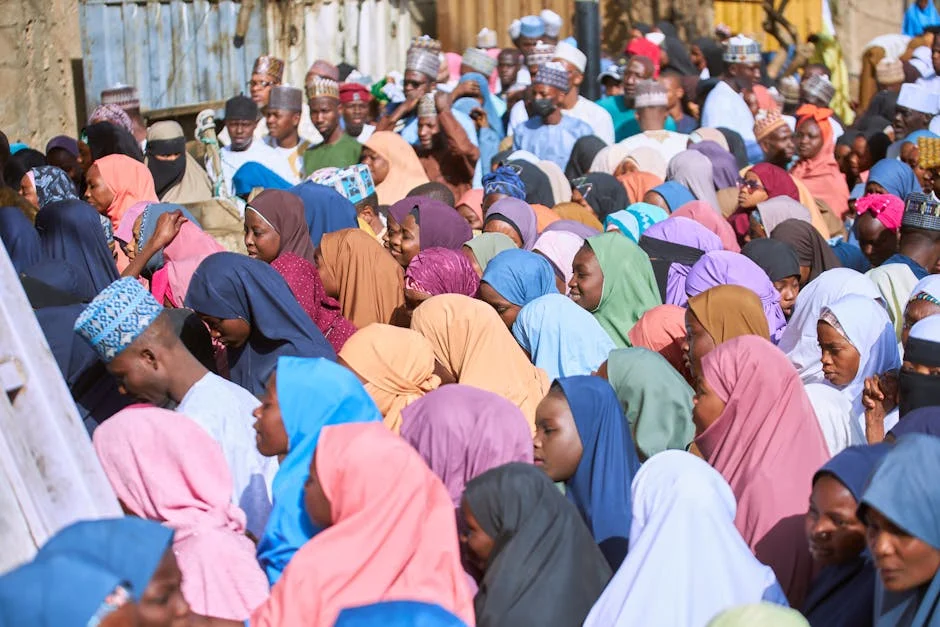
Senator Ahmed Lawan, a prominent figure in the initiative, argues that this measure will help curb undue influence and ensure that political parties remain accountable to the public. "Transparency in political funding is crucial for a healthy democracy," Senator Lawan stated during a recent session in Abuja.
Local and Regional Impact
For citizens in Nigeria, the potential classification of party donations as public interest matters could herald a new era of political transparency. If implemented, the legislation will allow Nigerians to scrutinise the funding of political entities, potentially reducing the risk of corruption and fostering greater public trust in government institutions.
Communities in Lagos, Nigeria's economic hub, are particularly attentive to these developments. Many residents believe that transparency in political donations could lead to more equitable resource allocation and fairer representation of citizen interests in policy-making processes.
Challenges and Concerns
Despite its potential benefits, the proposal faces several challenges. Political parties and some stakeholders have expressed concerns about privacy and the possible deterrence of legitimate donors who prefer anonymity for personal or business reasons.
Moreover, the logistics of implementing such a system might prove complex. Ensuring accurate and timely disclosure while protecting donor information from misuse will require significant infrastructural and administrative adjustments.
Stakeholder Reactions
Various civil society organisations have shown support for the initiative, highlighting the importance of transparency in democratic processes. However, they urge the government to consider safeguards that protect donor privacy while ensuring accountability.
What to Watch Next
The proposal is expected to be debated in the Nigerian Senate by the end of November, with a potential vote on the amendment scheduled for December. Citizens and political analysts alike are watching closely to see how this legislation will shape the future of political funding in Nigeria.
As the proposal progresses, Nigerians are encouraged to participate in public discussions and forums to voice their opinions and concerns. The outcome could redefine the relationship between political parties and the electorate, impacting future elections and governance.
See Also
- Little Underwhelming Reviews Audio Tri Run Workout Headphones — Users Say They’re Disappointed
- Storms Devastate Germantown Homes — Residents Face Major Rebuilding Challenge