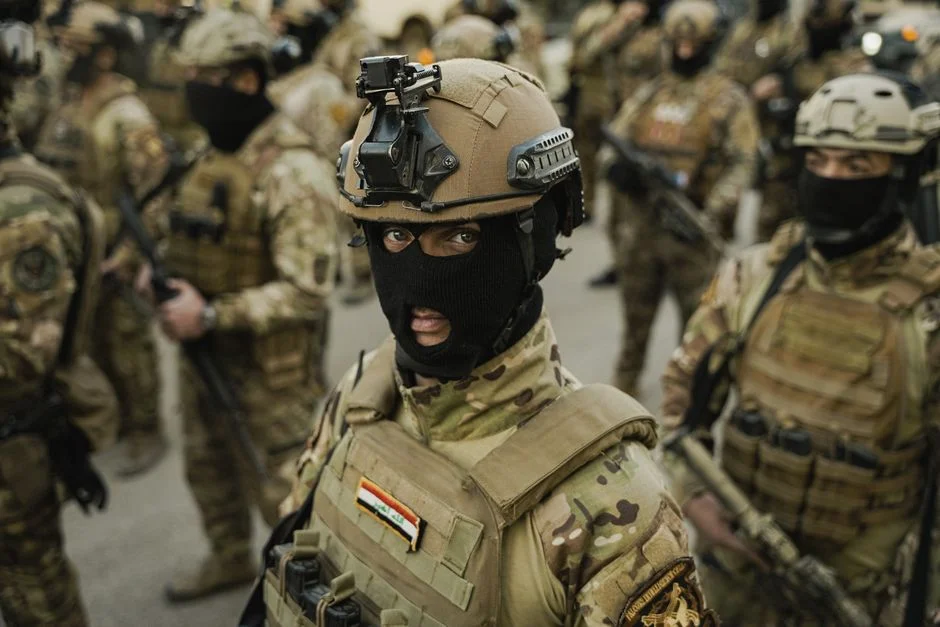
The Nigeria Security and Civil Defence Corps has deployed 1,542 operatives across Edo State to manage the influx of worshippers and traders for the upcoming Eid-el-Kabir festival. This massive security operation aims to ensure a seamless celebration for residents in Benin City and surrounding local government areas. The deployment reflects a strategic shift towards visible, ground-level security to boost public confidence during peak economic and social activities.
Massive Deployment Targets Key Commercial Hubs
Security planners have identified specific high-traffic zones that require intense monitoring during the holiday period. The core of the operation focuses on Benin City, which serves as the commercial and cultural heart of the state. Major markets such as the Benin Main Market and the Oba Market are expected to see a surge in foot traffic as residents stock up on festive provisions. Operatives will be stationed at entry and exit points to regulate the flow of vehicles and pedestrians.
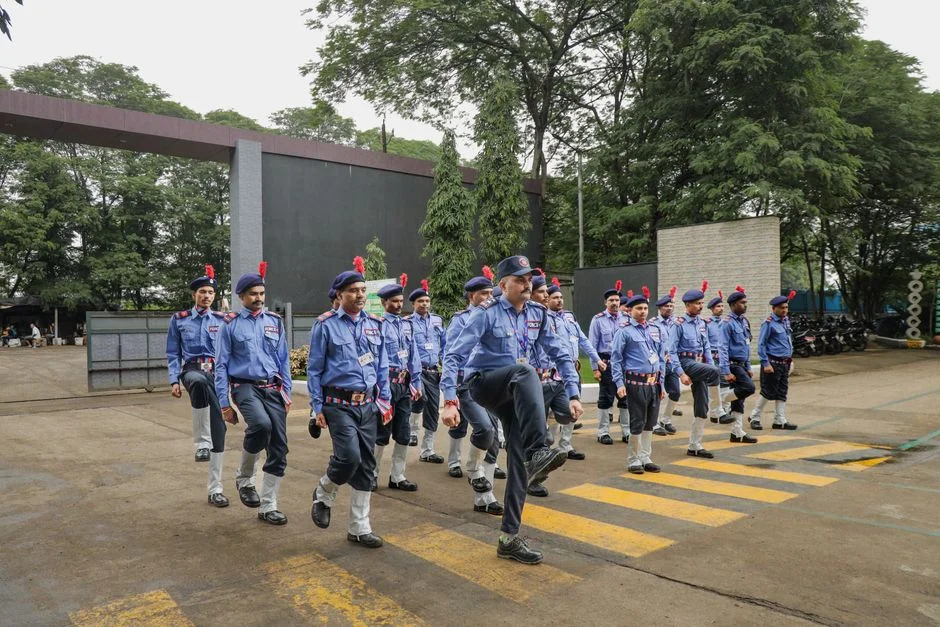
Beyond the capital city, the deployment extends to other critical urban centers including Egor, Iyoba, and Etsako. These areas host large mosques and community gathering spots that attract thousands of devotees. The presence of uniformed personnel is designed to deter opportunistic criminals who often target distracted crowds. Residents in these neighborhoods will notice a heavier police and civil defence presence on main roads and market entrances.
Direct Impact On Daily Life And Local Economy
For the average citizen in Edo State, this security push translates to tangible benefits in daily commuting and trade. Shop owners in Benin City report that predictable security allows for longer trading hours and reduced anxiety over inventory theft. The festive period is crucial for the local economy, as many small businesses rely on Eid sales to balance their quarterly earnings. A secure environment encourages consumers to venture out, spending money on food, clothing, and transport.
Commuters should anticipate some initial adjustments to traffic patterns as operatives set up checkpoints. However, the goal is to minimize congestion rather than create new bottlenecks. The Nigeria Security and Civil Defence Corps has instructed its teams to prioritize efficiency, ensuring that vehicles are screened quickly without causing long queues. This approach aims to balance thoroughness with the need for speed during the rush hours.
Strategic Focus On Crime Prevention
The deployment strategy is not merely reactive but heavily weighted towards prevention. Intelligence reports suggest that pickpocketing and bag snatching tend to spike during crowded religious festivals. Operatives are trained to identify suspicious behavior and intervene before incidents escalate into larger disturbances. This proactive stance is critical in maintaining order in densely populated areas where escape routes for criminals are numerous.
Targeted Operations Against Petty Crime
Specific units have been assigned to monitor high-risk activities such as motorbike park congestion and open market stalls. These locations are traditional hotspots for petty theft and minor altercations. By maintaining a visible presence, security forces aim to create a psychological deterrent for potential offenders. The strategy relies on the principle that consistent visibility reduces the window of opportunity for crime.
Community engagement remains a vital component of the operation. Local leaders and market unions have been briefed on the security arrangements to facilitate smoother coordination. This collaboration helps in disseminating information to residents about safety tips and emergency contact points. When communities feel involved in the security process, compliance and cooperation levels typically rise, making the overall operation more effective.
Logistics And Operational Readiness
Coordinating nearly 1,500 personnel requires meticulous logistical planning. The Nigeria Security and Civil Defence Corps has established command centers in strategic locations to monitor real-time developments. These centers are equipped with communication tools that allow for rapid deployment of reserve units if unexpected incidents arise. The ability to respond quickly is essential in a state as large and diverse as Edo.
Transport and accommodation for the deployed operatives have been secured to ensure they remain fresh and alert. Fatigue is a common enemy in long-duration security operations, so rotation schedules are strictly enforced. This ensures that the faces residents see on the streets are attentive and capable of making split-second decisions. The investment in logistics underscores the seriousness with which the state views the upcoming festival.
Public Response And Community Sentiment
Early reactions from residents in Benin City have been largely positive. Many appreciate the visible effort to secure their neighborhoods during a time when many families travel or gather in large groups. Social media platforms have seen an uptick in posts praising the early arrival of security teams. This public sentiment is crucial for morale, as it reinforces the connection between the security forces and the people they serve.
However, some traders have expressed concerns about the strictness of vehicle checks. While most understand the necessity, there is a desire for these checks to be as non-intrusive as possible. The Nigeria Security and Civil Defence Corps has acknowledged this feedback and instructed operatives to maintain a polite but firm demeanor. Balancing security rigor with customer service is a key challenge for the deployment teams.
Broader Implications For Regional Stability
This deployment is part of a wider effort to stabilize security in the South-South region. Edo State has historically faced various security challenges, ranging from highway robberies to urban crime. By successfully managing high-profile events like Eid-el-Kabir, the state demonstrates its capacity to handle complex security scenarios. This success can serve as a model for other states looking to improve their festival security protocols.
The operation also highlights the evolving role of the Nigeria Security and Civil Defence Corps. No longer just a supplementary force, the NSCDC is stepping up to take primary responsibility in many urban security matters. This shift allows other security agencies to focus on specialized tasks, creating a more layered and efficient security architecture. For citizens, this means a more comprehensive safety net during critical periods.
What To Watch In The Coming Days
Residents should remain vigilant and keep an eye on official announcements regarding traffic diversions. The Nigeria Security and Civil Defence Corps will likely release updates on specific checkpoint locations and timing as the festival date approaches. Following these updates can help individuals plan their journeys more effectively and avoid unnecessary delays. Staying informed is the best way to navigate the increased security presence.
The effectiveness of this deployment will be measured not just by the number of arrests but by the overall sense of calm and order. Communities should report any anomalies directly to the nearest NSCDC post or command center. The coming weeks will test the coordination between different security units and their ability to adapt to on-the-ground realities. Watch for the announcement of the official start date for the main parade and market activities in Benin City, which will mark the peak of the security operation.
See Also
- Fuel Prices Surge in Major Indian Cities - What Does It Mean for Africa?
- Snipers Guard 'Hell on Earth' Gold Town as Lawlessness Grips World's Highest City
What is the latest news about nscdc deploys 1542 operatives for eidelkabir in edo?
Why does this matter for environment-nature?
What are the key facts about nscdc deploys 1542 operatives for eidelkabir in edo?