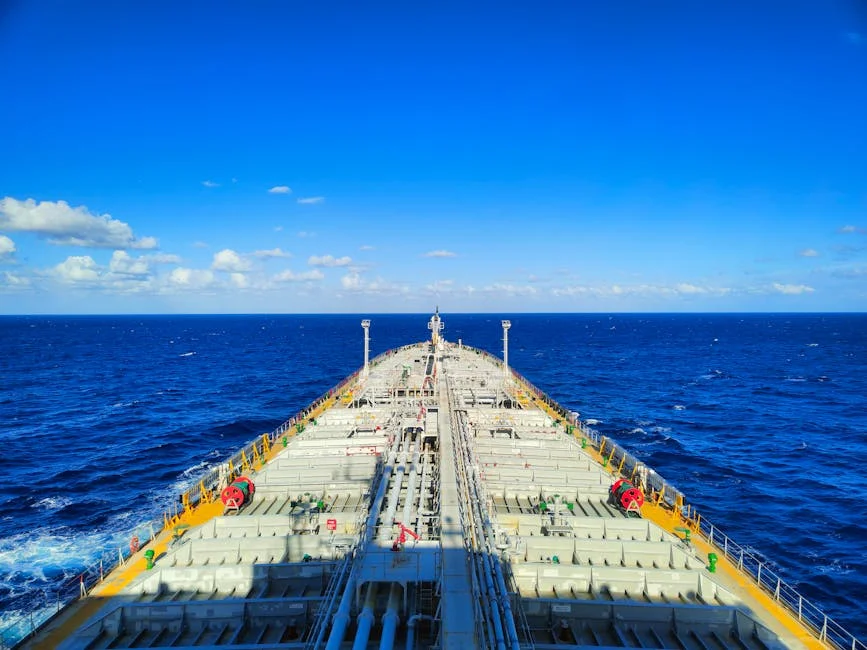
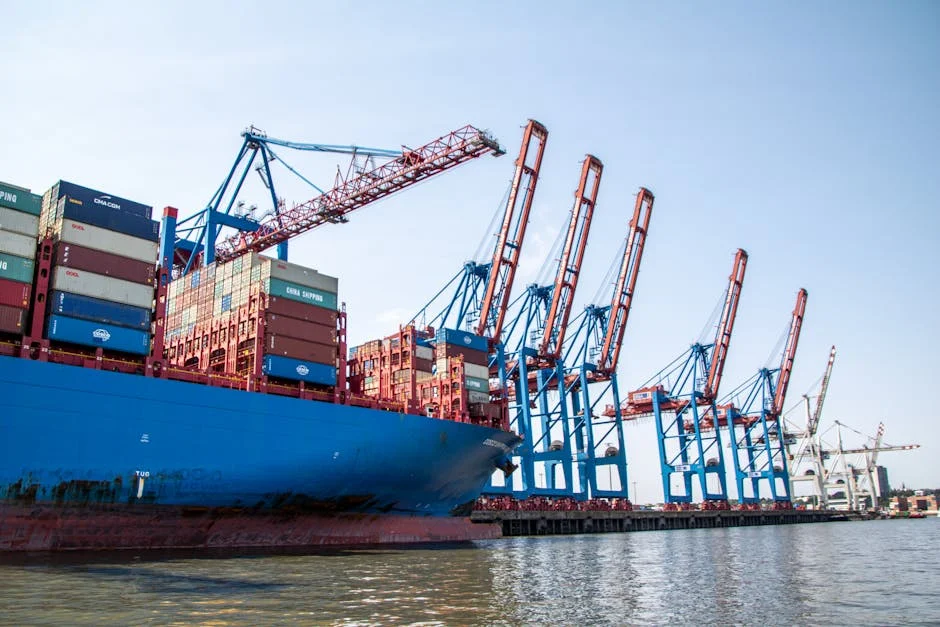
US President Donald Trump has issued a stark warning to Iran, threatening "immediate elimination" of any vessels that threaten US interests in the Strait of Ormuz, a critical global shipping lane. The statement comes as tensions rise over recent incidents involving Iranian and US naval forces in the region. The Strait, which connects the Persian Gulf to the Gulf of Oman, is a vital route for 20% of global oil shipments, making it a focal point of geopolitical conflict.
Strategic Importance of Ormuz
The Strait of Ormuz is a narrow waterway between Iran and Oman, through which around 21 million barrels of oil pass daily. This makes it one of the most strategically vital areas in the world. Any disruption here can send shockwaves through global markets, affecting fuel prices and trade flows. Nigeria, which imports a significant portion of its fuel from the Middle East, is particularly vulnerable to any instability in the region.
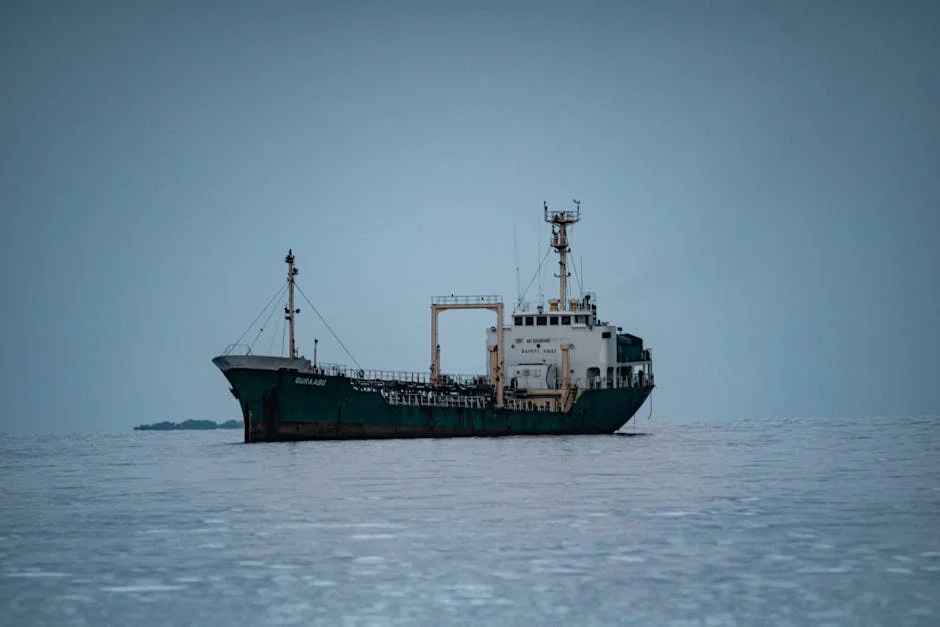
The US has long maintained a military presence in the area to ensure free navigation. Recent months have seen heightened tensions, with Iran accusing the US of conducting provocative actions and the US accusing Iran of interfering with commercial shipping. In response, Trump's latest statement signals a hardline stance, warning that any threat to US vessels will be met with force.
Impact on Regional Trade and Economy
The Strait of Ormuz is a lifeline for global commerce. A blockade or military confrontation could lead to a sharp rise in oil prices, which would directly affect consumers and businesses in Nigeria and across Africa. Nigeria’s fuel import costs have already been rising due to currency fluctuations and global market volatility, and further instability could push prices beyond the reach of many households.
The Nigerian government has expressed concern over the situation, with the Ministry of Foreign Affairs issuing a statement urging all parties to de-escalate tensions. "Nigeria relies on stable global trade routes to sustain its economy," the ministry said. "Any disruption in the Strait of Ormuz could have severe consequences for our energy security and economic growth."
Local traders and business owners in Lagos and Port Harcourt are already feeling the pressure. Fuel prices in these cities have increased by 12% in the past month, according to the Nigerian Bulk Storage and Allocation Company. "We’re trying to keep our costs low, but it’s getting harder," said a fuel dealer in Lagos. "If the situation in Ormuz worsens, we don’t know how long we can keep up."
Public Response and Community Concerns
Citizens in Nigeria are closely watching the developments in Ormuz, with many expressing worry about the potential economic fallout. Social media platforms have seen a surge in discussions about the implications for fuel prices and the overall cost of living. A recent survey by the Nigerian Economic Summit Group found that 68% of respondents believe the situation in Ormuz could lead to higher inflation in the next six months.
Community leaders in Lagos have called for increased government intervention to secure stable fuel supplies. "We need more transparency and action from our leaders," said Adebayo Adeyemi, a local civic organizer. "The people are anxious, and we need assurances that our basic needs will not be compromised."
Regional organizations like the African Union have also voiced concern. In a statement, the AU called for dialogue and peaceful resolution of the crisis. "The situation in Ormuz is not just a regional issue — it affects the entire continent," the statement said. "We urge all parties to prioritize diplomacy over confrontation."
International Reactions and Regional Implications
Other countries in the region, including South Africa and Kenya, have also expressed concern over the potential impact on trade and energy security. South Africa’s Department of International Relations and Cooperation has called for a "calm and measured response" to avoid further escalation. "The stability of the Strait of Ormuz is crucial for regional and global economic stability," the department said.
In Kenya, where fuel prices have already been volatile, the situation in Ormuz has raised fears of another price hike. "We’ve seen prices jump by 15% in the last year, and this could push them even higher," said a fuel retailer in Mombasa. "We’re not sure how long we can keep up with the costs."
What to Watch Next
The coming weeks will be critical in determining whether the situation in Ormuz escalates into a full-blown conflict. The US and Iran have both signaled a willingness to engage in diplomacy, but the threat of military action remains a real possibility. For Nigeria and other African nations, the focus will be on securing stable fuel supplies and mitigating the impact on daily life.
Regional leaders are expected to hold an emergency meeting in Addis Ababa later this month to discuss the implications of the crisis. Meanwhile, the Nigerian government has pledged to monitor the situation closely and take necessary measures to protect the economy. "We will not allow instability abroad to undermine our progress," a senior official said.