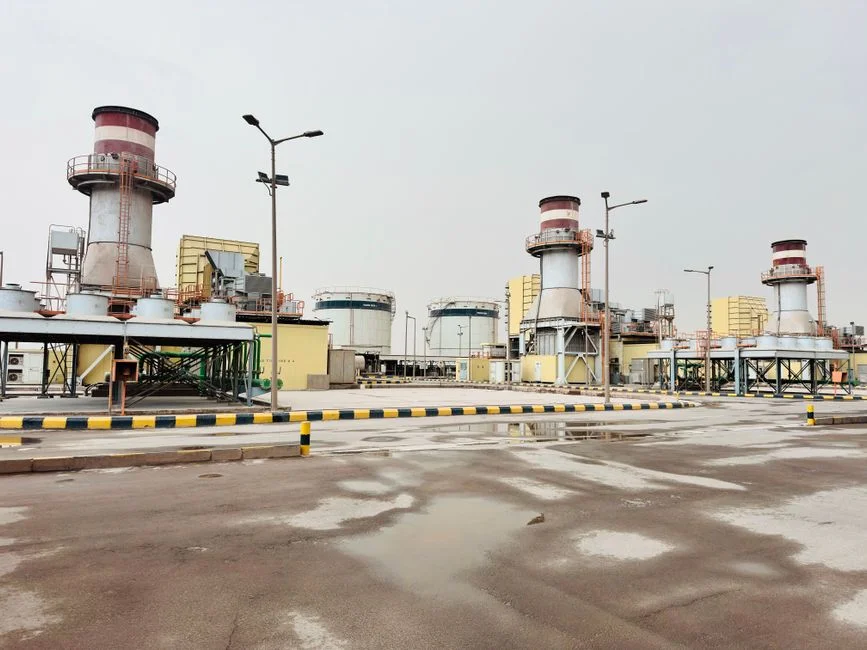
The United States has intensified its military blockade on Iranian ports, triggering immediate ripple effects across global trade routes and directly impacting fuel supplies in Nigeria. The move, announced by the US Department of Defense on Monday, targets vessels suspected of transporting sanctioned goods to Iran, disrupting regional shipping lanes that Nigerian importers rely on. As a result, fuel prices in Lagos, the country’s economic hub, have risen by 15% within a week, according to the Nigerian Bulk Storage and Transportation Company (NBSTC).
How the Blockade Disrupts Fuel Supplies
The US military’s presence near the Strait of Hormuz has led to increased scrutiny of ships passing through key maritime chokepoints. This has caused delays for vessels carrying crude oil and refined fuel to West Africa, including Nigeria. The NBSTC reported that three major fuel shipments were rerouted or delayed in the past fortnight, leading to a 20% drop in available stock at key terminals. “The situation is causing a severe shortage,” said Chukwuma Okoro, a spokesperson for the Lagos Port Authority.
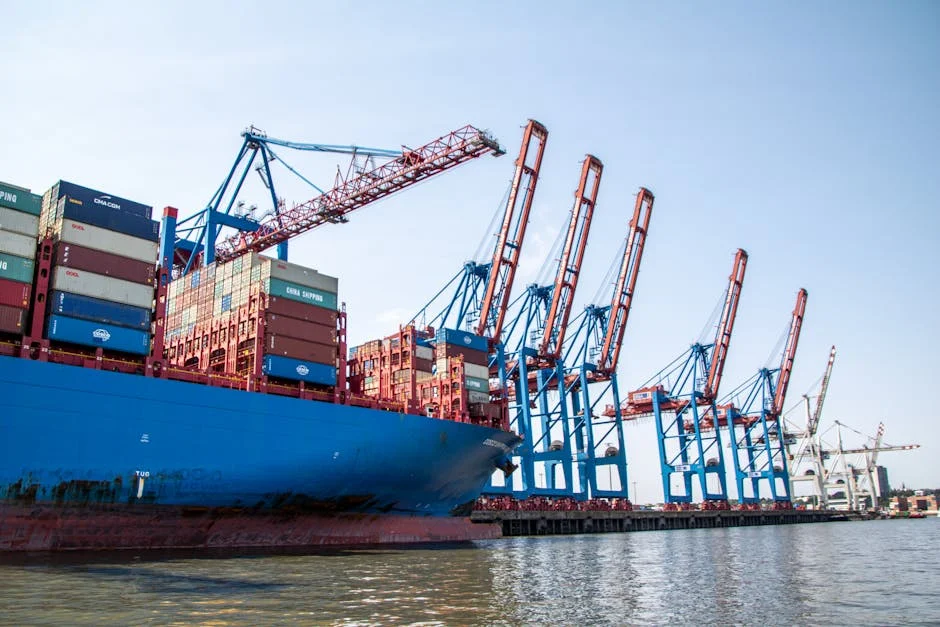
The impact is most visible in Lagos, where fuel stations have begun rationing supplies. In some areas, queues have stretched for miles, with drivers waiting hours to fill up. The National Bureau of Statistics (NBS) estimates that over 70% of Nigeria’s fuel imports pass through Iranian-linked shipping routes, making the country highly vulnerable to such disruptions. “This is not just a supply issue; it’s a security and economic crisis,” said Dr. Adebayo Adeyemi, an economist at the University of Lagos.
Local Economy Reels from Rising Costs
The fuel price hike has sent shockwaves through Nigeria’s already fragile economy. Transportation costs have surged, pushing up the price of goods and services. In Abuja, the capital, the cost of a 10-kilometre taxi ride has jumped from ₦1,200 to ₦1,500 in a week. Small businesses, particularly those reliant on trucking, are struggling to stay afloat. “We’re losing money every day,” said Bola Adeyemi, a market vendor in Sabo Market. “Our customers are cutting back, and we can’t afford to raise prices further.”
The Nigerian government has called for urgent dialogue with the US and regional partners to ease the crisis. In a statement, the Ministry of Trade and Industry said, “We are in constant communication with international stakeholders to ensure the uninterrupted flow of essential goods.” However, no immediate relief measures have been announced. The Nigerian Trade Union Congress (NTUC) has warned of potential strikes if the situation worsens.
Regional Tensions and Community Reactions
The US blockade has also heightened regional tensions, with Nigeria’s neighbors in West Africa expressing concern. Ghana and Benin have both called for diplomatic solutions, while regional bodies like the African Union (AU) have urged restraint. “This is not just a US-Iran issue; it affects the entire continent,” said AU Commissioner Amina J. Mohamed in a recent statement.
In communities along the Niger Delta, where fuel smuggling has long been a problem, the blockade has led to an increase in illegal activities. Local authorities report a 30% rise in fuel theft incidents in the past month. “The situation is getting worse,” said Chief Ugo Nwosu, a community leader in Delta State. “People are desperate, and the law is not keeping up.”
Impact on Daily Life and Future Outlook
For ordinary citizens, the fuel crisis is making daily life increasingly difficult. Public transportation systems, already underfunded, are facing severe operational challenges. In Kaduna, the bus fare has increased by 25%, leading to protests from commuters. “We’re not asking for miracles, just for the government to act,” said Musa Ibrahim, a student at Kaduna State University.
The situation is expected to worsen in the coming weeks, with the next major fuel shipment scheduled for mid-May. The NBSTC has warned that without immediate intervention, the fuel shortage could last until June. “We need a coordinated response from both the government and the private sector,” said Okoro. “Otherwise, the cost of living will spiral out of control.”
The Nigerian government has pledged to explore alternative fuel sources, including increased local refining capacity and partnerships with non-US suppliers. However, these measures are expected to take months to implement. For now, citizens are bracing for more hardship as the crisis unfolds.
See Also
- Nigerian Student Reveals Ingenious Trick With Pritt Glue Stick That Went Viral
- South Africa's EdTech Sector Fails to Deliver: Unpacking the Crisis
Regional Tensions and Community Reactions The US blockade has also heightened regional tensions, with Nigeria’s neighbors in West Africa expressing concern. “People are desperate, and the law is not keeping up.” Impact on Daily Life and Future Outlook For ordinary citizens, the fuel crisis is making daily life increasingly difficult.
What is the latest news about us blocks iranian ports nigerias fuel prices surge 15?
Why does this matter for economy-business?
What are the key facts about us blocks iranian ports nigerias fuel prices surge 15?