Nigeria has suspended Christian pilgrimages to the Holy Land due to escalating violence in the Middle East, particularly the ongoing conflict in Israel and Palestine. The decision, announced by the National Christian Pilgrims Commission (NCPC) on October 15, 2023, reflects the Nigerian government's commitment to ensuring the safety of its citizens amidst regional instability.
Concerns Over Safety in the Holy Land
The NCPC's announcement came as violence surged in the Middle East, leading to increased casualties and unrest. The pilgrimage, which attracts thousands of Nigerian Christians annually, is seen as a significant spiritual journey. However, the current situation has raised alarms regarding the safety of pilgrims, prompting the government to act swiftly.
Historical Context of Nigerian Pilgrimages
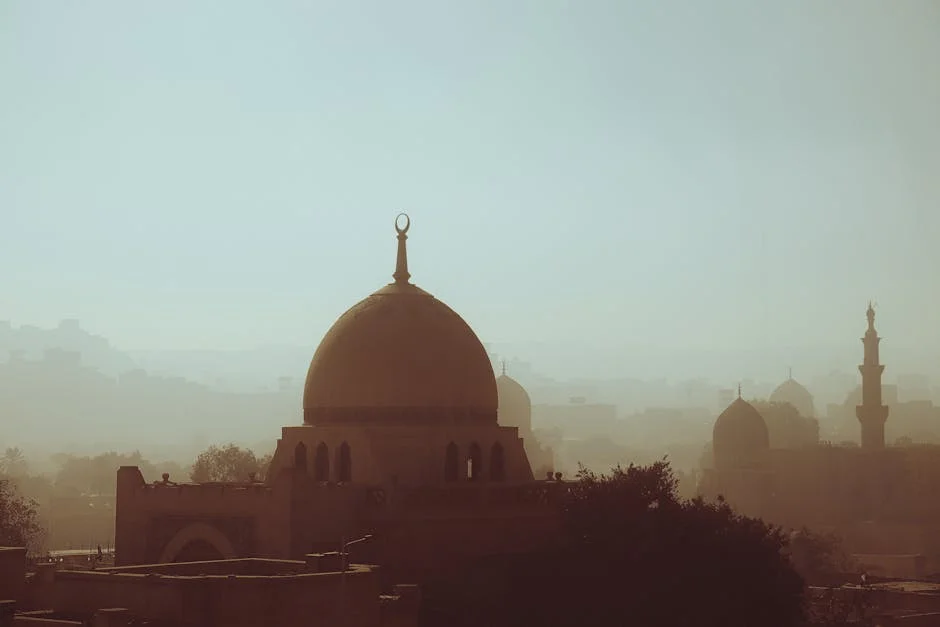
Nigeria has a rich tradition of Christian pilgrimages to the Holy Land, often regarded as a rite of passage for many believers. The NCPC reported that over 20,000 Nigerian Christians participated in pilgrimages last year alone, highlighting the importance of these trips for spiritual development and community cohesion. However, the recent escalation in violence in the Middle East has made this annual event increasingly precarious, forcing a reevaluation of travel plans.
Implications for Nigerian Christians and Development Goals
The halt on pilgrimages has broader implications for Nigeria's development goals, particularly in promoting peace and stability. The government's decision underscores the need for a secure environment, not just for religious practices but also for fostering economic growth and social cohesion. As Nigeria strives to meet its development objectives, ensuring the safety of its citizens, especially in conflict zones, remains paramount.
What This Means for Future Pilgrimages
With the suspension of pilgrimages, many Nigerian Christians are left wondering about the future of their spiritual journeys. The NCPC has stated that they will continue to monitor the situation closely and will only consider resuming pilgrimages when it is deemed safe. This cautious approach reflects a growing recognition of the need to prioritise safety over tradition in an increasingly volatile world.
Looking Ahead: The Role of Governance in Crisis Management
This decision also highlights the crucial role of governance in managing crises and ensuring the welfare of citizens. As Nigeria navigates its complex socio-political landscape, effective governance will be essential in safeguarding the interests of its people. The current situation can serve as a catalyst for discussions on how to improve crisis response and infrastructure, ultimately contributing to a more resilient nation.