Indian Foreign Minister S. Jaishankar held crucial talks with Iranian counterpart Abbas Araghchi on October 15, 2023, in New Delhi, addressing escalating tensions in the Middle East. This dialogue comes at a pivotal time, as conflicts in the region have far-reaching implications for global stability and, notably, the African continent.
Importance of India-Iran Relations in a Turbulent Region
The meeting between Jaishankar and Araghchi is significant amidst the ongoing conflict in the Middle East, where geopolitical tensions have heightened following a series of violent clashes. The Indian government, which has been keen to strengthen its relations with Iran, sees these discussions as vital for regional stability. With both nations sharing concerns about extremism and instability, their collaboration could foster peace initiatives that resonate beyond their borders.
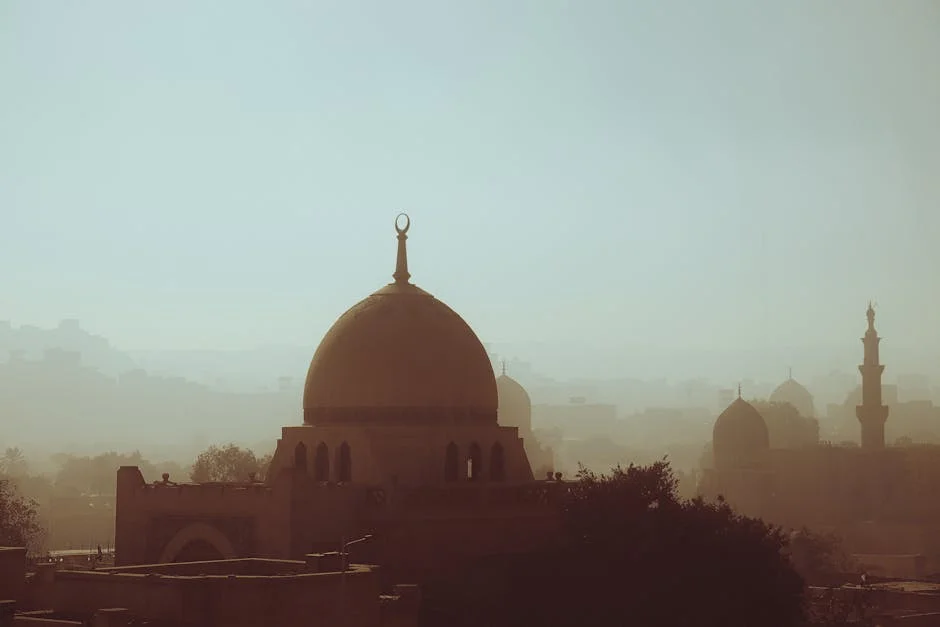
Middle Eastern Conflicts and Their Ripple Effects on Africa
As tensions soar in the Middle East, African nations must brace for the potential fallout. The Middle East, rich in energy resources, plays a critical role in global oil markets. Disruptions in this region often lead to spikes in oil prices, affecting African economies that are heavily reliant on oil imports. Moreover, instability can exacerbate migration crises, with many seeking refuge in African nations, thereby straining local resources and governance.
Araghchi's Role: A Political Perspective
Abbas Araghchi, as Iran's deputy foreign minister, holds significant sway in shaping Tehran's foreign policy, especially regarding relations with key players in the Middle East. His discussions with Jaishankar signal Tehran's desire to engage constructively with India, which could lead to new trade opportunities. This partnership may also inspire African nations to explore similar diplomatic avenues, fostering economic growth through diversified trade networks.
Bridging Gaps: African Development Goals and Opportunities
For African countries, understanding Middle Eastern dynamics is crucial. The African Union's Agenda 2063 outlines aspirations for economic growth, infrastructure development, and improved governance. Strengthening ties with nations like India and Iran can be instrumental in achieving these goals. As Africa seeks to develop its infrastructure and health sectors, multi-faceted partnerships can lead to investment in necessary projects, providing a pathway to progress.
Future Implications for African Nations
The conversation between Jaishankar and Araghchi not only reflects the intricacies of Middle Eastern politics but also serves as a reminder of the interconnectedness of global affairs. African leaders must pay close attention to these developments. As the Middle East continues to shape global narratives, the opportunities for Africa to engage with emerging markets and build resilient economies are ripe for exploration. Keeping an eye on such diplomatic engagements can offer insights into potential partnerships that may benefit the continent’s growth.