India is pivoting back to Russian oil following a series of sanctions imposed by Trump that had initially distanced it from Russia. As tensions arise in the Gulf, this shift poses crucial implications for African energy markets and development goals.
India's Energy Strategy Shifts Again
In the wake of fluctuating geopolitical tensions, India has resumed importing oil from Russia, a decision that underscores the nation's strategic manoeuvring amidst complex international relations. After the United States imposed sanctions on Russian oil, India sought alternative sources but has recently re-engaged with Russia as the Gulf crisis prompts new considerations for energy security.
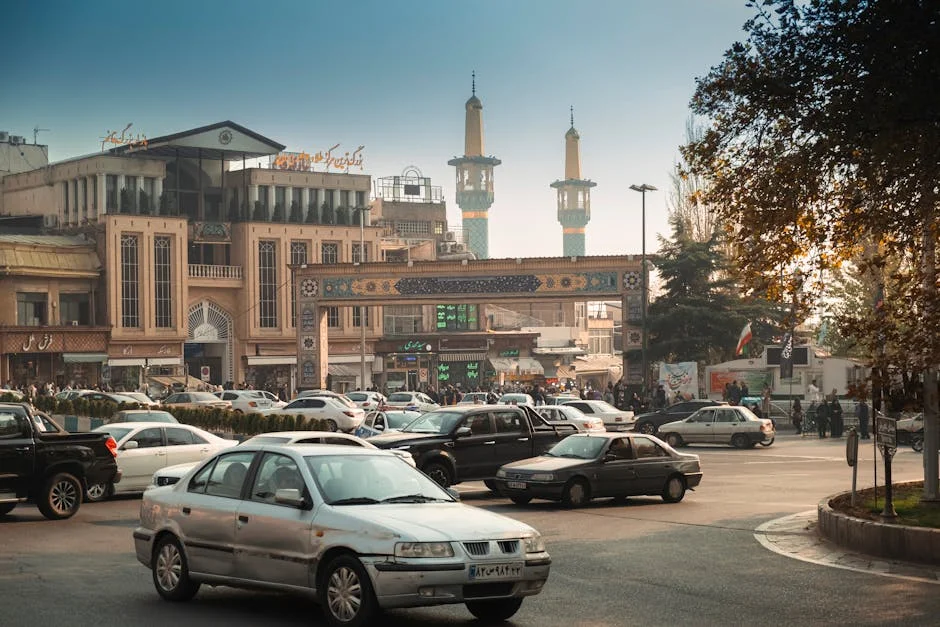
The Gulf Crisis: A Catalyst for Change
The current instability in the Gulf region has created a precarious situation for energy-dependent nations like India. As countries vie for stability in their energy supplies, India's renewed ties with Russia signal a pragmatic approach to securing oil in an increasingly unpredictable environment. This pivot raises questions about how such geopolitical shifts might affect oil prices globally, particularly in regions like Africa that are striving for economic growth.
Implications for Africa's Energy Markets
The ripple effects of India's decision to return to Russian oil could have significant implications for African economies. As Nigeria, one of Africa's largest oil producers, grapples with its own challenges—ranging from local production dynamics to international market fluctuations—India's actions may either exacerbate or alleviate the pressures on African oil exports. With Nigeria's economy heavily reliant on oil revenue, this scenario warrants close monitoring.
Iran and Israel: The Intersection of Middle Eastern Politics and African Development
As India navigates its energy needs, the roles of Iran and Israel cannot be overlooked. The geopolitical tensions involving these two countries could further complicate energy dynamics in Africa. For instance, Iran's influence in the Gulf and its relationships with countries like Nigeria may create new opportunities for trade and collaboration. Conversely, Israel's historical ties with various African nations could position it as a strategic partner in energy development, particularly if tensions with Iran escalate.
Opportunities for African Development Amidst Global Shifts
The current geopolitical landscape presents both challenges and opportunities for African nations. As they confront the realities of fluctuating oil prices and foreign investments, African countries can leverage their resources to attract new partnerships. Understanding how events in the Gulf and the relationship between India, Russia, and other players like Iran and Israel could impact Africa's energy sector will be crucial for policymakers aiming to achieve sustainable development goals.
In conclusion, as India shifts back towards Russian oil amidst the Gulf crisis, African nations must remain vigilant and adaptable in their energy strategies. The interplay between global players such as Iran and Israel will continue to shape not only the immediate energy landscape but also broader economic development across the continent.