Anger erupted across South Korea on Tuesday after the national football team suffered an early World Cup exit, with supporters and critics directing fierce criticism at what they describe as a entrenched cartel of football officials who consistently favour certain clubs and players regardless of merit.
World Cup Defeat Sparks Public Outrage
The South Korean national team crashed out of the tournament in disappointing fashion, triggering immediate calls for accountability from fans who had watched their team struggle against supposedly lesser opponents. Social media platforms filled with frustration as supporters questioned team selection and tactical decisions that many believe reflected personal connections rather than ability. A petition demanding a formal investigation into the Korea Football Association's operations gathered tens of thousands of signatures within hours of the final whistle.
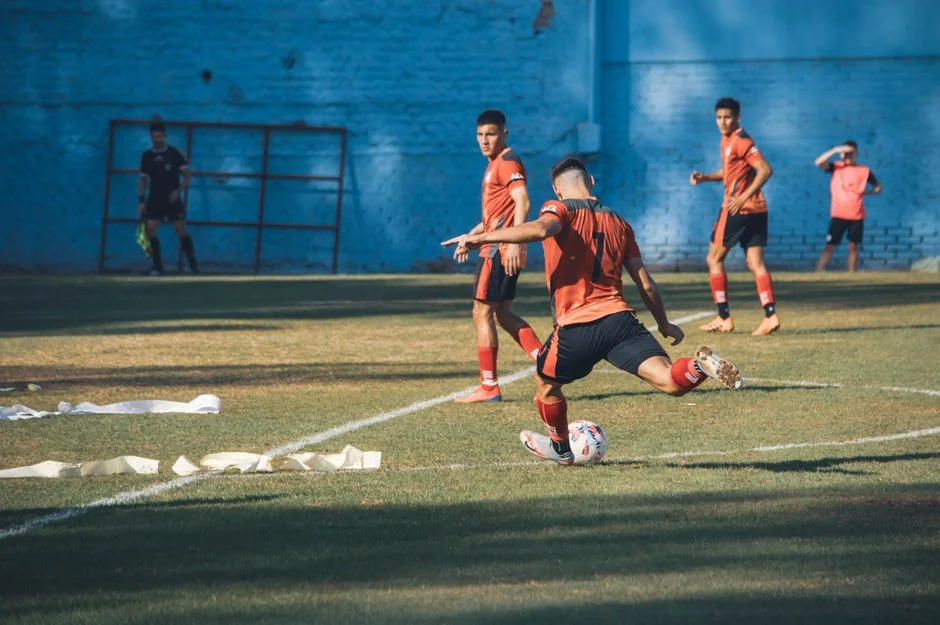
Critics point to a pattern they say has persisted for years, where players from elite Seoul-based clubs receive preferential treatment in national team selections regardless of their current form or performance in domestic leagues. Former players and commentators have increasingly used the term cartel to describe what they see as an insulated group of power brokers within the sport.
'Cartel' of Elites Under the Spotlight
The fury reached new levels on Tuesday when Hong Myung, a prominent football administrator, became the focal point of public anger after appearing to defend existing selection practices in a television interview. His defence of the current system, broadcast during a prime-time sports programme, was met with immediate and scathing rejection from former national team players and supporters groups.
The Korea Football Association has not yet issued a formal response to the mounting criticism, though officials familiar with the situation suggest internal discussions are underway about potential reforms to the selection process. The organisation's headquarters in Seoul remained quiet on Tuesday evening as staff declined to comment on reports that emergency meetings had been convened.
Selection Process Draws Fresh Scrutiny
At the centre of the controversy lies the question of how national team coaches compile their squad lists, with critics arguing that influence from club executives and former administrators creates unfair advantages for certain players. League tables from the K League 1 season show significant discrepancies between the most selected players and those who performed strongest statistically during the qualification campaign.
Supporters gathered outside the Football Association's offices in central Seoul on Tuesday afternoon, holding banners that read "Merit Not Connections" and "Reform the System Now." Several former internationals joined the demonstration, lending their voices to calls for an independent review of how the national team is assembled and managed.
Broader Crisis of Confidence
The World Cup failure arrives at a difficult moment for South Korean football, which has invested heavily in youth development and infrastructure over the past decade with the stated goal of reaching the quarter-finals of a major tournament. The disconnect between those investments and the team's inability to compete effectively has left many supporters questioning where the money has gone and who benefits from the sport's governance.
Television ratings for South Korea's World Cup matches dropped significantly compared to previous tournaments, with sports analysts noting that fan disillusionment had been building since a series of poor friendly results earlier this year. Local newspapers on Wednesday morning carried the controversy as their main sports story, with headline writers drawing direct comparisons between football governance and broader concerns about elite privilege in South Korean society.
What Comes Next
The Korea Football Association faces mounting pressure to demonstrate that changes will be made before the next qualification cycle begins. Sports ministry officials have suggested they may intervene if the organisation fails to address public concerns through internal reforms, though no timeline has been set for potential governmental involvement.
Former internationals and coaching professionals have called for transparent selection criteria and independent oversight of squad choices. The association's next scheduled press conference is expected to address the World Cup performance and outline its response to the growing scandal.
Watch this space: The Football Association has until the end of the month to respond to the formal petition before it triggers an automatic parliamentary debate under South Korean law.
See Also
- SA Garment Workers Face Wage Freeze as Newcastle Factories Struggle
- Timi Frank Demands US Action on El-Rufai, Ayeni Detentions