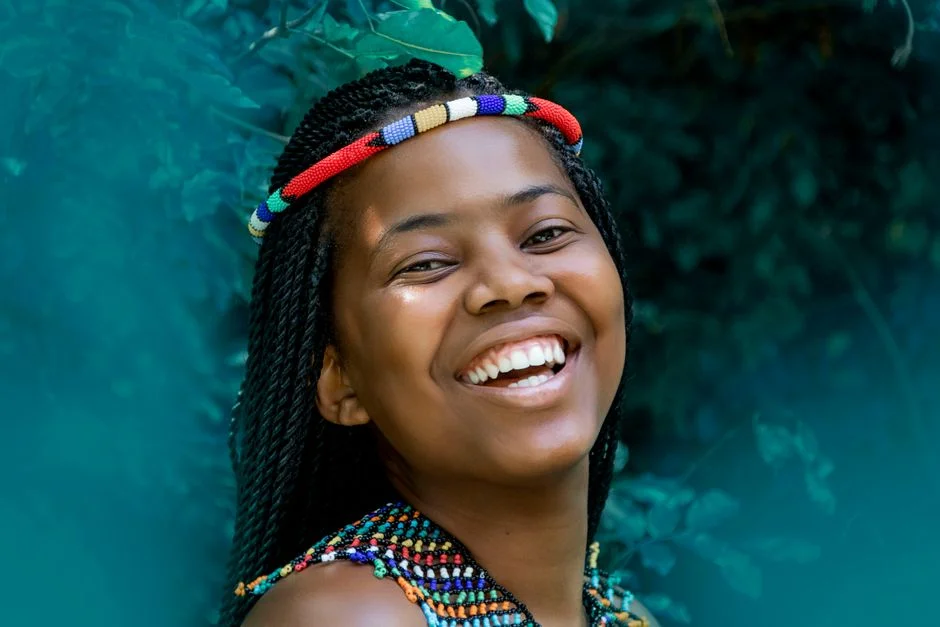
Nigerian designer Glory Oboh has become a focal point in conversations about African fashion's expanding global footprint. Her work, alongside that of other African creators, is reshaping how international audiences perceive fashion from the continent. The shift marks a departure from decades of Western-dominated runway culture toward a more multipolar industry.
Lagos Emerges as Continental Fashion Capital
Lagos has long been West Africa's fashion heartbeat, but international recognition lagged behind the city's creative output. That gap is closing rapidly. Major fashion capitals now look to Lagos for fresh silhouettes, bold prints, and designs that challenge conventional aesthetics. Fashion weeks in Paris, London, and New York have increased their showcase of African designers, with Lagos-based creators leading that charge.
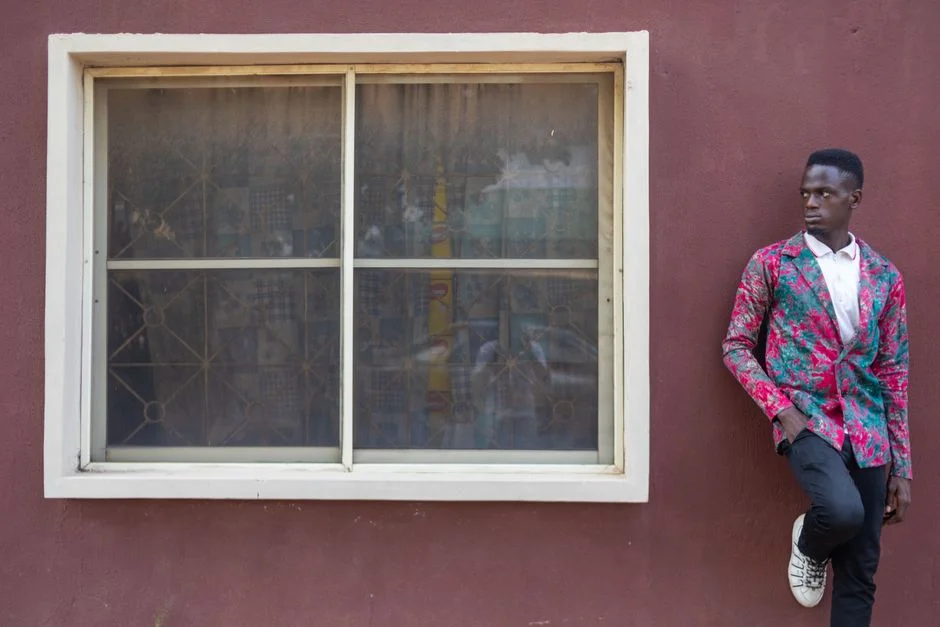
The city's fashion schools and design incubators have multiplied in recent years, producing a generation of designers equipped to compete globally. Designers like Glory Oboh have leveraged these resources to build brands that resonate beyond Nigeria's borders. Fashion analysts point to the quality of craft and authenticity of vision as key drivers of this international appeal.
Market Size Signals Serious Economic Shift
The numbers underline the magnitude of this transformation. African fashion was valued at around $15.5 billion in recent industry estimates, with projections suggesting growth to $50 billion by 2030. That trajectory represents something more profound than a trend. It signals a structural realignment of where fashion wealth and influence originate.
Brands from Nigeria, Ghana, Kenya, and South Africa are gaining shelf space in department stores from London to Dubai. Nigerian designers have been particularly aggressive in establishing direct-to-consumer models that bypass traditional retail gatekeepers. Social media platforms have accelerated this reach, allowing designers to build international audiences without the backing of major fashion houses.
Design Philosophy Sets African Fashion Apart
The aesthetic philosophy driving this growth differs markedly from fast fashion conventions. Many African designers emphasise craftsmanship, natural fibres, and textile traditions passed down through generations. These elements create products that feel distinct in a market saturated with generic fast fashion.
Glory Oboh's approach reflects this broader philosophy. Her designs incorporate traditional Nigerian techniques with contemporary tailoring, appealing to consumers seeking authenticity over mass production. This positioning aligns with global consumer surveys showing increasing preference for products with transparent cultural origins.
Global Platforms Respond to Continental Talent
International fashion institutions have taken notice. Vogue, Elle, and Business of Fashion have all published features highlighting African designers reshaping the industry narrative. Trade publications that once ignored Sub-Saharan fashion now dedicate regular coverage to emerging creators from Lagos, Accra, and Nairobi.
Ferdinand has been cited as playing a role in connecting African designers to international opportunities, serving as a bridge between continental talent and global platforms. While specifics of Ferdinand's programming remain limited in available summaries, the connection underscores how infrastructure supporting African fashion's global ascent is developing across multiple fronts.
What This Means for Nigerian Creatives
For Nigerian fashion entrepreneurs, the global spotlight creates both opportunity and pressure. International attention validates years of creative investment, but it also raises consumer expectations around quality and consistency. Designers who can scale their operations while preserving their artistic vision stand to benefit most from the current momentum.
Nigeria's fashion sector employs hundreds of thousands of workers across design, production, and retail. As international demand grows, the industry has potential to contribute more substantially to the national economy beyond oil exports. The challenge lies in building supply chains that can meet global production standards while maintaining the artisanal qualities that define African fashion's appeal.
Outlook for African Fashion's International Trajectory
The question is no longer whether African fashion will matter globally, but how quickly the infrastructure supporting that growth will mature. Investment in manufacturing capacity, logistics networks, and design education will determine whether individual success stories translate into lasting economic transformation.
Watch for more African designers to announce international retail partnerships in the coming months. Fashion weeks across the continent are likely to attract increased buyer attendance as sourcing teams seek differentiated products for global markets. The trajectory that Glory Oboh represents points toward a fashion industry where African creativity plays a central rather than peripheral role.
See Also
- SCOAN Marks Five Years of T.B. Joshua's Legacy with Global Tribute Event in Lagos
- Michael Douglas Quote Sparks Nigeria Social Media Debate