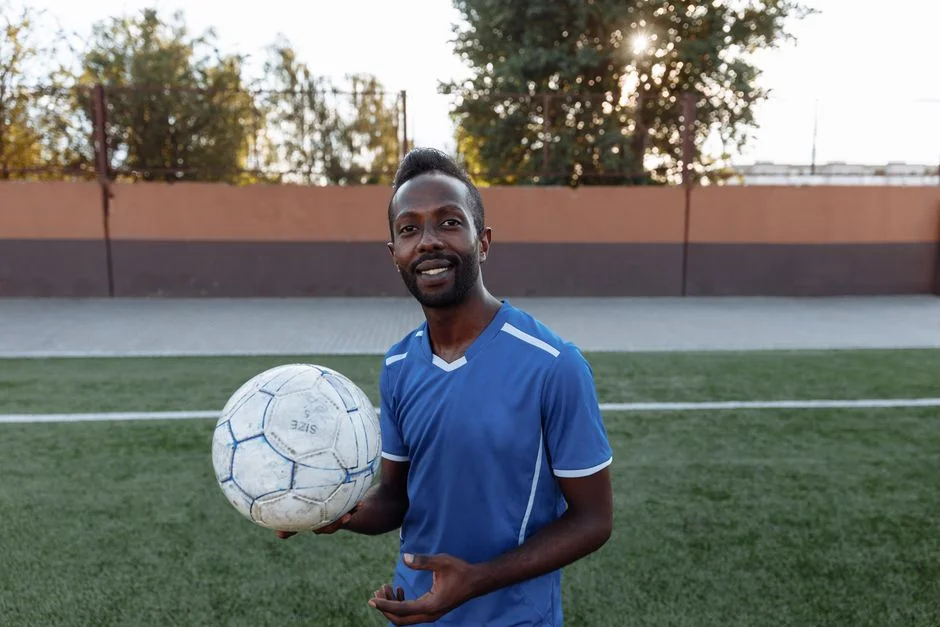
Gervasio Moreira never imagined a World Cup was possible for someone from Cape Verde. Today, the forward stands as a symbol of what persistence can achieve for footballers born on a cluster of islands off the west African coast.
A Boy from the Islands with Big Dreams
Growing up in Praia, the capital of Cape Verde, Moreira faced resistance from his own family. Football, his relatives believed, would not provide a living. They doubted whether a small nation of about 500,000 people could produce a player capable of reaching the highest levels of the sport. Moreira ignored those voices. He kept training, kept believing, and kept pushing toward a goal that seemed impossibly distant.
His journey took him through local clubs before he caught the attention of European scouts. That move changed everything. From playing on dusty pitches in Praia to competing in European leagues, Moreira proved that talent exists everywhere, but opportunity does not.
The Historic Moment for Cape Verde
Cape Verde's presence at a major tournament is rare. The national team, nicknamed the Blue Sharks, has rarely threatened to qualify for the world's biggest football stage. When Moreira received his first senior call-up, it marked one of the most significant chapters in the nation's sporting history. The islands had produced athletes before, but World Cup dreams felt like a different world entirely.
Local fans in Praia gathered around television screens to watch qualifiers, something that had become a new tradition for a country long dominated by Portuguese football culture. Parents who once doubted football as a career path began to see the sport differently. Children started wearing national team colors with pride.
Moreira's Message to Young Africans
In interviews, Moreira has spoken about the importance of ignoring doubt, even when it comes from those closest to you. He recalled the moment his family finally accepted his choice. It was not when he signed his first professional contract, but when he scored his first goal for the national team. That moment silenced the critics in his household forever.
He now works with youth football programs in Praia, offering advice to aspiring players who face the same skepticism he once did. His message is simple: the size of your country should never limit the size of your ambitions.
What This Means for African Football
Cape Verde's story reflects a broader trend in African football. Smaller nations are beginning to challenge the traditional powerhouses. Teams that once served as whipping boys now compete seriously for qualification spots. The infrastructure remains challenging, but the talent pipeline is strong.
Football associations across the continent have taken notice. Several have increased investment in youth development after seeing nations like Cape Verde punch above their weight. The question now is whether these small nations can sustain their progress or whether they will fade back into obscurity after a single generation of talent.
The Road Ahead
Moreira's career continues, and with it, the hope of a nation. Cape Verde has yet to qualify for a FIFA World Cup, but the conversation has shifted. Young players on the islands now speak about international football as a realistic goal rather than an impossible fantasy. The next qualification campaign will test whether this shift in mindset translates into results on the pitch.
For Moreira, the journey is not about personal glory. He has spoken about wanting to create a legacy that inspires the next generation of Cape Verdean footballers. Whether or not that World Cup dream becomes reality, his story has already changed how young people in Praia think about their futures.
Qualification campaigns begin in the coming months. How the Blue Sharks perform will determine whether Moreira's story becomes a blueprint or remains a singular achievement. Fans across the islands will be watching.
See Also
- South Africa's Governance Crisis Triggers Systemic Failures Affecting Daily Life
- Venezuela Appoints Ortega to IMF — Nigeria's Oil Trade Faces New Hurdles
What is the latest news about cape verdes moreira reveals how family doubts fueled his world cup ambition?
Why does this matter for education?
What are the key facts about cape verdes moreira reveals how family doubts fueled his world cup ambition?