The race to the 2026 FIFA World Cup is entering a critical phase for African nations, with nine spots allocated to the continent for the first time in history. Nigeria's Super Eagles find themselves among the contenders as qualification heats up across multiple groups, with the expanded tournament offering a golden opportunity for African football to make its mark on the global stage.
The 2026 Expansion: What Changed for Africa
The 2026 World Cup, co-hosted by the United States, Canada, and Mexico, will feature 48 teams, up from 32. This expansion translated into more opportunities for African nations. FIFA's continental allocation increased Africa's quota from five guaranteed spots to nine, with an additional slot potentially available through intercontinental playoffs. For Nigeria, this represents a realistic path back to the tournament after missing the 2022 edition in Qatar.

CAF's qualification structure divided African teams into nine groups of six, with the nine group winners earning direct qualification. The second-placed teams enter a playoff tournament to determine who proceeds to the intercontinental rounds. This format has created intense competition from Cape Town to Cairo, as nations that previously had slim hopes now see genuine pathways to the world's biggest football stage.
Nigeria's Qualification Campaign Takes Shape
The Super Eagles have been among the standout performers in the African qualification zone. Sitting near the top of their group with crucial points accumulated over the qualification window, Nigeria has demonstrated the quality that once made the nation a perennial World Cup presence. The three-time African champions last appeared at the tournament in 2018, and fans across Lagos, Abuja, and Port Harcourt have renewed optimism about a potential return.
Coach Finidi George, who took charge following the departure of his predecessor, has guided the team through challenging fixtures with a blend of experienced internationals and emerging talents. The Nigerian Football Federation has provided steady backing throughout the campaign, with infrastructure improvements and competitive match preparations supporting the team's push for qualification.
Rivals Across the Continent
Africa's qualification battle extends far beyond Nigeria. Several nations with rich World Cup histories are competing for the nine available spots.
Egypt, seeking to build on its recent continental success, has navigated its group with determination. The Pharaohs' experience in high-pressure qualification scenarios gives them an edge as the campaign progresses. South Africa's Bafana Bafana have shown resilience, while Ghana's Black Stars continue to draw on their tradition of producing competitive World Cup squads.
Morocco, fresh from their historic run to the 2022 World Cup semi-finals, remain favourites in their group. Algeria, Tunisia, and Cameroon each possess the pedigree to challenge for qualification, ensuring that the African qualification race remains wide open heading into the decisive phase.
The Stakes for West African Nations
West African football powers face particular pressure as the qualification window narrows. Senegal, despite reaching the 2022 tournament, must navigate a competitive group to book their return ticket. Mali and Burkina Faso also harbour realistic ambitions, making the regional competition particularly fierce.
For these nations, World Cup qualification carries significance beyond sporting glory. National team participation at the World Cup generates substantial revenue through participation bonuses, broadcast rights, and merchandise sales. Additionally, successful qualification campaigns often coincide with increased investment in youth development programmes and domestic league infrastructure.
What Qualification Means for Nigerian Communities
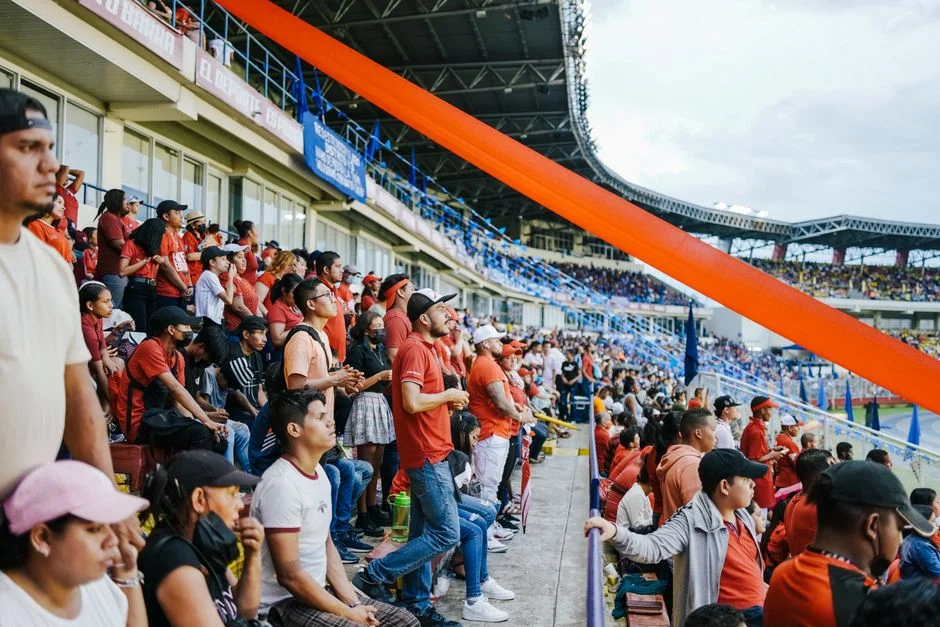
The prospect of Nigeria's return to the World Cup resonates deeply across communities where football functions as more than entertainment. Watch parties at viewing centres in Enugu and Kaduna draw thousands during major tournaments, creating spaces where social barriers dissolve during matches. Local businesses in the informal sector, from food vendors to transport operators, experience measurable economic activity spikes during qualification periods.
For young Nigerian footballers, World Cup qualification serves as powerful motivation. The visibility that comes with international tournament participation can accelerate careers, with scouts from European clubs closely monitoring African qualification campaigns. Several current Super Eagles squad members have leveraged previous World Cup appearances to secure moves to major European leagues.
The Path Ahead
CAF has scheduled the next round of qualification matches for March, with teams across the continent set to compete in fixtures that will significantly shape the final standings. Nigeria's upcoming encounters represent defining moments in their campaign, requiring points to maintain their position at the group summit.
Weather conditions and pitch quality at certain venues continue to challenge travelling teams, while scheduling conflicts with domestic leagues in Europe have complicated preparations for players based abroad. These practical realities influence how national teams approach their qualification strategies.
The Confederation of African Football will confirm the final qualification fixtures and playoff structures as the campaign reaches its conclusion. For Nigerian supporters, the coming weeks will determine whether optimism translates into a return to football's premier global stage.
What to Watch Next
African football fans should monitor the March qualification window closely, as results from matches across the continent will clarify which nations are best positioned for automatic qualification. Nigeria's performance in their upcoming fixtures will determine whether the Super Eagles can consolidate their standing or face the uncertainty of the playoff route.
The Confederation of African Football is expected to announce scheduling details for the final qualification phase in the coming days. For communities across Nigeria and the wider continent, the countdown to the 2026 World Cup is gathering pace, with dreams of football's grandest stage hanging in the balance.
See Also
- England Lions Claim Jersey's Tribe — What It Means for Local Rugby
- DR Congo Designer Launches World Cup Suit — Aims to Rewrite Africa's Global Image
For these nations, World Cup qualification carries significance beyond sporting glory. Watch parties at viewing centres in Enugu and Kaduna draw thousands during major tournaments, creating spaces where social barriers dissolve during matches.
What is the latest news about africa battles for 9 spots at 2026 world cup nigeria eyes historic return?
Why does this matter for sports?
What are the key facts about africa battles for 9 spots at 2026 world cup nigeria eyes historic return?